Do you have lettuce that’s turned bitter? Don’t toss it—here are practical tips to save and use bitter lettuce.
Lettuce is one of the simplest crops to grow in the garden or in containers, but it can go from sweet and tender to bitter quite quickly. Many gardeners—especially those in warmer or sub-tropical climates—know how fast lettuce can bolt or develop bitter leaves.
If you’ve put time and effort into growing lettuce, wasting it isn’t appealing. Fortunately, there are ways to reduce bitterness, prevent it where possible, and make good use of bitter leaves so they don’t end up in the compost.
What Causes Lettuce to Go Bitter?
Several factors make lettuce bitter. Heat and sudden temperature changes are common causes: lettuce prefers cool conditions, and hot weather triggers bolting and stronger flavors. Water stress—either drought or irregular watering—also contributes. Nutrient stress can produce bitterness, so occasional feeding helps, though too much nitrogen isn’t ideal either.
Age matters as well. Older plants naturally become more bitter over time. Picking a few outer leaves for salads is fine, but eventually you’ll need to harvest the whole plant. Once the lettuce is near flowering or has bolted, the flavor will be increasingly sharp and less pleasant raw.
Preventing Bitter Lettuce
To prevent bitterness, grow lettuce in semi-shade or plant it in cooler seasons if you live in a warm climate. Choose varieties suited to your local conditions. Apply mulch to retain soil moisture and reduce root temperature, water consistently, and give an occasional balanced feed rather than heavy nitrogen boosts.
Timing your harvest helps too. Pick lettuce in the morning after it has cooled overnight, or harvest after rain when leaves often taste milder. Watering lightly the evening before harvesting and briefly soaking leaves in cold water for about 10 minutes can refresh them—then dry and chill the leaves for a few hours to improve texture and flavor.
What to Do with Bitter Lettuce
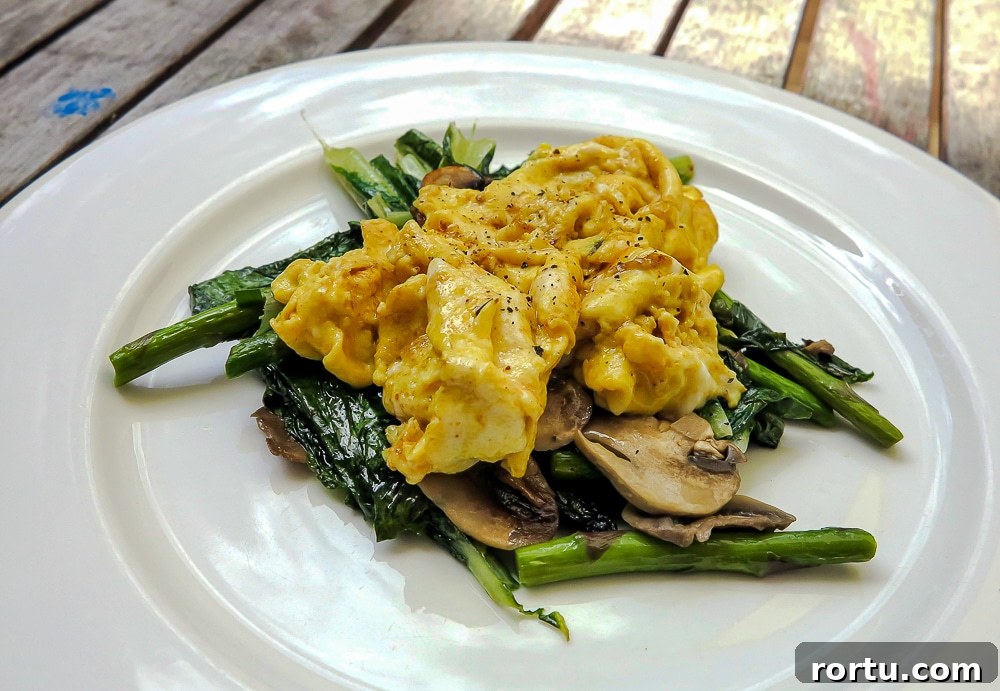
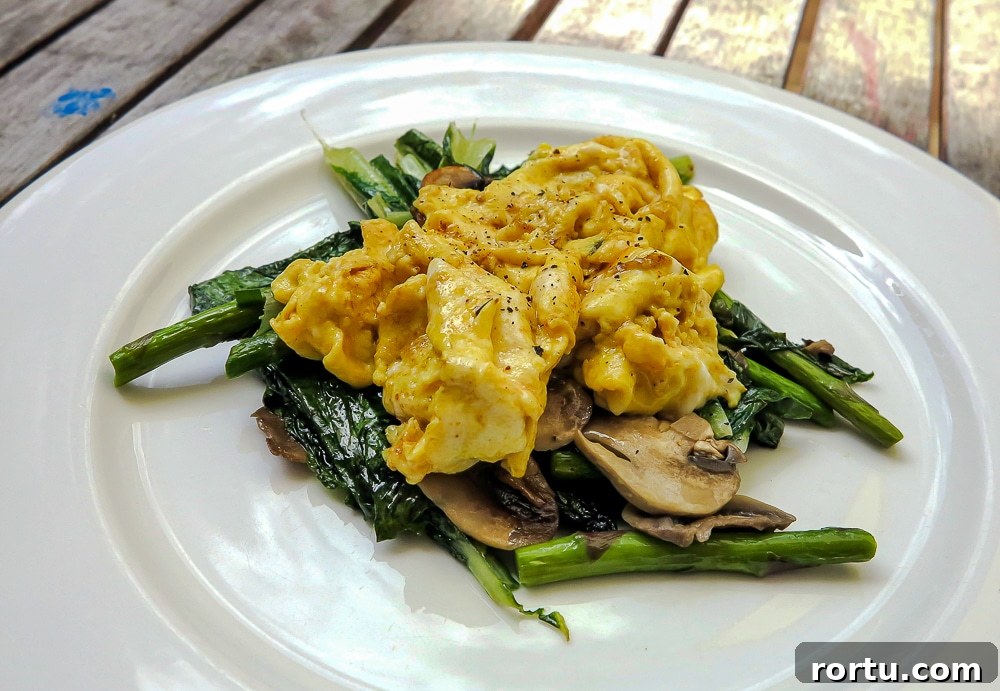
If leaves are already bitter, cooking is an excellent option. Heat softens and mellows bitter compounds, making the greens enjoyable. Combine bitter lettuce with sweeter leafy greens such as spinach or silverbeet to balance flavor. Wilted mixed greens with mushrooms and seasonal vegetables, topped with a poached or scrambled egg, make a satisfying breakfast or light meal.
Bitter lettuce works well in soups, stir-fries, sautés, and any dish where you would use spinach. It blends into sauces, frittatas, or quiches, and pairs nicely with ingredients that add sweetness or acidity—lemon juice, roasted garlic, caramelized onions, or tomatoes all help mask and harmonize the bitterness.
Before composting, consider reviving or cooking bitter lettuce. With a few practical steps—shade, mulch, consistent water, timely harvesting—or a simple recipe tweak, you can salvage many batches of greens and keep them from going to waste.
What’s your garden rescue story?