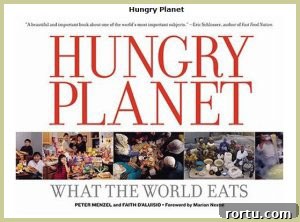
Not long ago I read a review in Salon of the book Hungry Planet, and I was immediately captivated by its concept. Photographed by Peter Menzel and written by Faith D’Aluisio, the book documents 30 families in 24 countries and the food they consume over the course of a week. It’s a simple idea that reveals a wealth of cultural detail.
I’ve always been fascinated by what people eat around the world. While some people ask about the weather, I instinctively ask about meals — “What did you have for breakfast?” or “What are you having for dinner?” My curiosity has often made me the butt of jokes: friends teased me for carrying snacks everywhere or thinking about dinner while eating breakfast. But planning and preparing food is central to daily life, and understanding that process matters.
Are we what we eat?
I don’t see food as mere fuel. It’s more than survival; it shapes identity, mood, and community. I’m aware of my own privilege in being able to choose what I eat, a choice many people around the world lack. For those people, meals are determined by availability and cost. Still, when someone enjoys their food, it often reflects in their happiness. There’s even a French saying that captures this: “Je ne suis pas dans mon assiette,” literally “I am not in my plate,” meaning “I am not feeling well.”
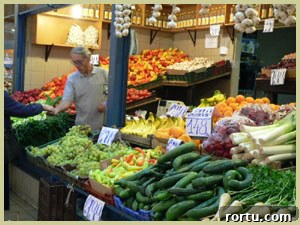
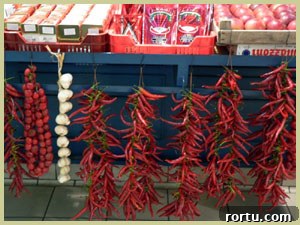
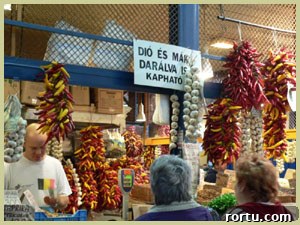
The staples and flavors dominant in a region — rice or potatoes, spices or herbs — reveal history, climate, and tradition. When my husband Philip and I travel, we always seek out local markets and traditional dishes. Recently in Budapest, the displays of paprika and the scents of the markets opened a first, compelling door into the country’s culture.
In Cape Verde we watched from the pier as fish were unloaded — large catches arriving directly from the sea to the market. Such moments show food’s connection to place and daily life.

Preserving a culture’s food traditions is as important as protecting its language or landscape. Globalization can erode local foodways, but it also spreads culinary experiences more widely. Visiting a Chinatown in a major city won’t be the same as eating in China, but it offers a window into food traditions you might not otherwise encounter.
On a smaller scale, grocery stores are excellent laboratories for observing food habits. When I shop, I discreetly note what others put in their carts: processed foods, fresh vegetables, types of bread, or specialty items like vegetarian or low-fat products. Are there children’s cereals or pet foods? What beverages are chosen? These little details tell stories about household composition, health concerns, and cultural preferences.
Thinking about food this way — whether at home or while traveling — can be an enlightening study of culture. Opting for a traditional breakfast instead of a continental one, exploring local markets, or trying regional dishes reveals history and social patterns through taste and routine. For a humorous illustration of how food and identity intertwine: there’s a longstanding culinary banter between nations — the British sometimes call us “frogs,” while we tease them as “Rosbeefs.” Names like these hint at culinary stereotypes and shared histories that food helps to express.