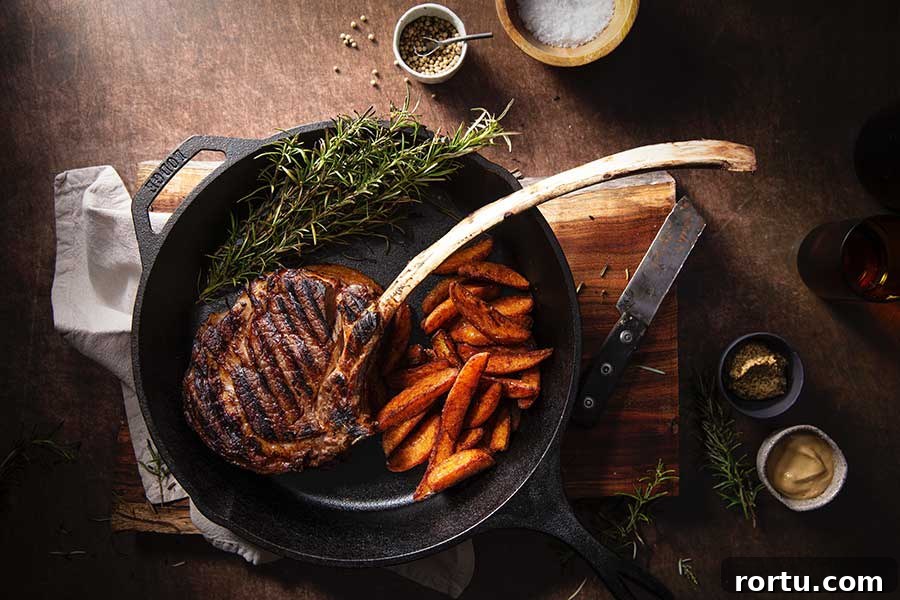
There are many advantages to using cast iron cookware. When well cared for, cast iron develops a natural nonstick surface that keeps food from sticking and burning, requires less oil, and promotes even cooking at high temperatures. Unlike some modern pans, cast iron contains no synthetic nonstick coatings that can degrade at high heat or when scratched, making it a safer choice for everyday cooking.
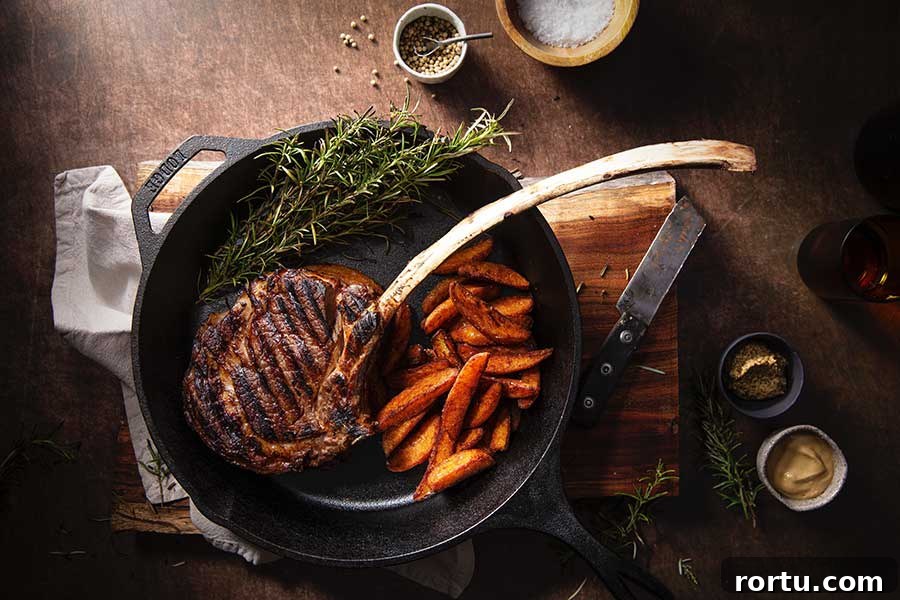
When properly seasoned, a cast iron skillet offers easy cleanup and improved flavor development over time. Seasoning fills microscopic pores in the metal with polymerized oil, creating a durable surface that improves the more you cook with it. With basic care, cast iron can last for decades and even be passed down through generations.
Seasoning a Cast Iron Skillet
Seasoning a cast iron pan is straightforward. Start by washing the skillet with hot water and a small amount of mild soap, then dry it completely. Apply a very thin coat of a high-smoke-point oil such as coconut oil or vegetable oil across the entire surface, inside and out.
To set the seasoning, place a sheet of foil on a lower oven rack to catch any drips, then place the pan upside down on the middle rack. Bake at 375°F for one hour, then allow the pan to cool inside the oven. The seasoning improves with use: each time you cook and oil the pan lightly, the surface becomes smoother and more nonstick.
Cast Iron Care Essentials
Cast iron dislikes three things: prolonged exposure to water, harsh abrasives, and long contact with highly acidic foods. Treat your skillet gently—clean with a soft sponge or stiff brush and hot water, remove food residue promptly, and dry immediately. After drying, wipe a thin layer of oil over the surface to protect the seasoning and prevent rust.
Avoiding Rust and Residue
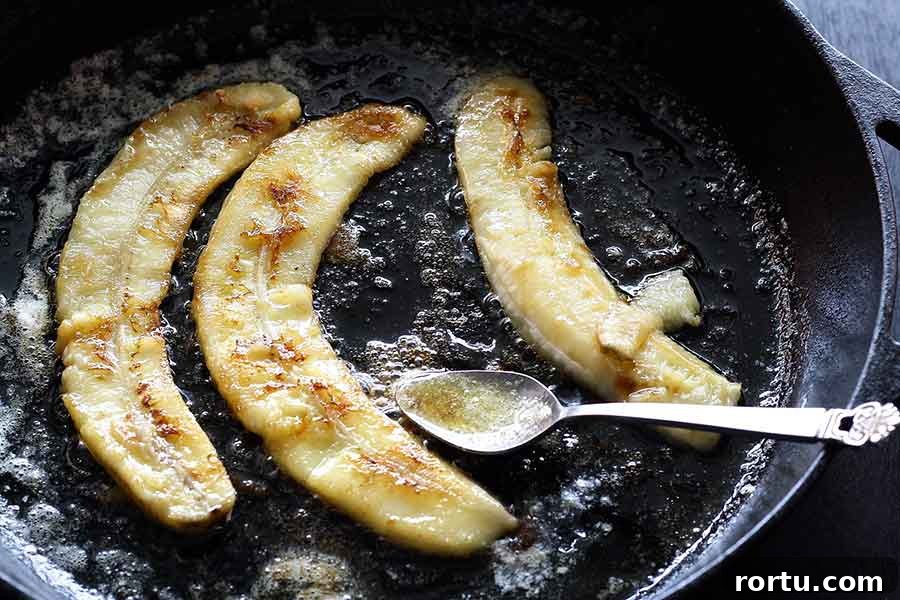
Do not soak cast iron in water, as standing moisture encourages rust. If a pan develops baked-on residue—common after baking desserts—scrub it with a stiff-bristle brush and mild soap, rinse well, and dry thoroughly. Reapply a light coat of oil if needed and heat briefly to ensure the surface is dry and protected.
Pre-Seasoned Considerations
Many cast iron pans come pre-seasoned from the factory, but it’s still beneficial to add an additional seasoning at home. A follow-up seasoning session helps build up a more durable, personalized nonstick surface and ensures the pan is ready for regular use.
Restoring Rusty Cast Iron: 4 Simple Steps
1. Scrub heavy rust and residue with a stiff-bristle brush and hot, soapy water. Rinse thoroughly and dry completely.
2. Apply a light, even coating of coconut oil or vegetable oil over the entire pan, inside and out.
3. Place foil on a lower oven rack to catch drips, set the pan upside down on the middle rack, and bake at 375°F for one hour. Let the pan cool in the oven.
4. Repeat the process as needed to rebuild the seasoning, then store the pan in a cool, dry place. Regular use and occasional re-seasoning will keep the skillet rust-free and performing well.
The Versatility of Cast Iron Cookware
Cast iron skillets are extremely versatile. They’re excellent for one-pan casseroles, sizzling steaks, cheesy sides, dips, and even desserts. A heavy cast iron roasting pan is particularly useful for roasting meats and vegetables, delivering even browning and consistent results.
Perfect Roasting Every Time
Cast iron roasts food evenly and retains heat well, so chicken, vegetables, and other dishes come out uniformly cooked with a desirable crust. Cleanup is simple—especially as the pan becomes more seasoned—and with proper care a cast iron roasting pan will last for many years.
Explore recipes that showcase the strengths of cast iron cookware and let your skillet develop a richer seasoning and better performance with every meal.