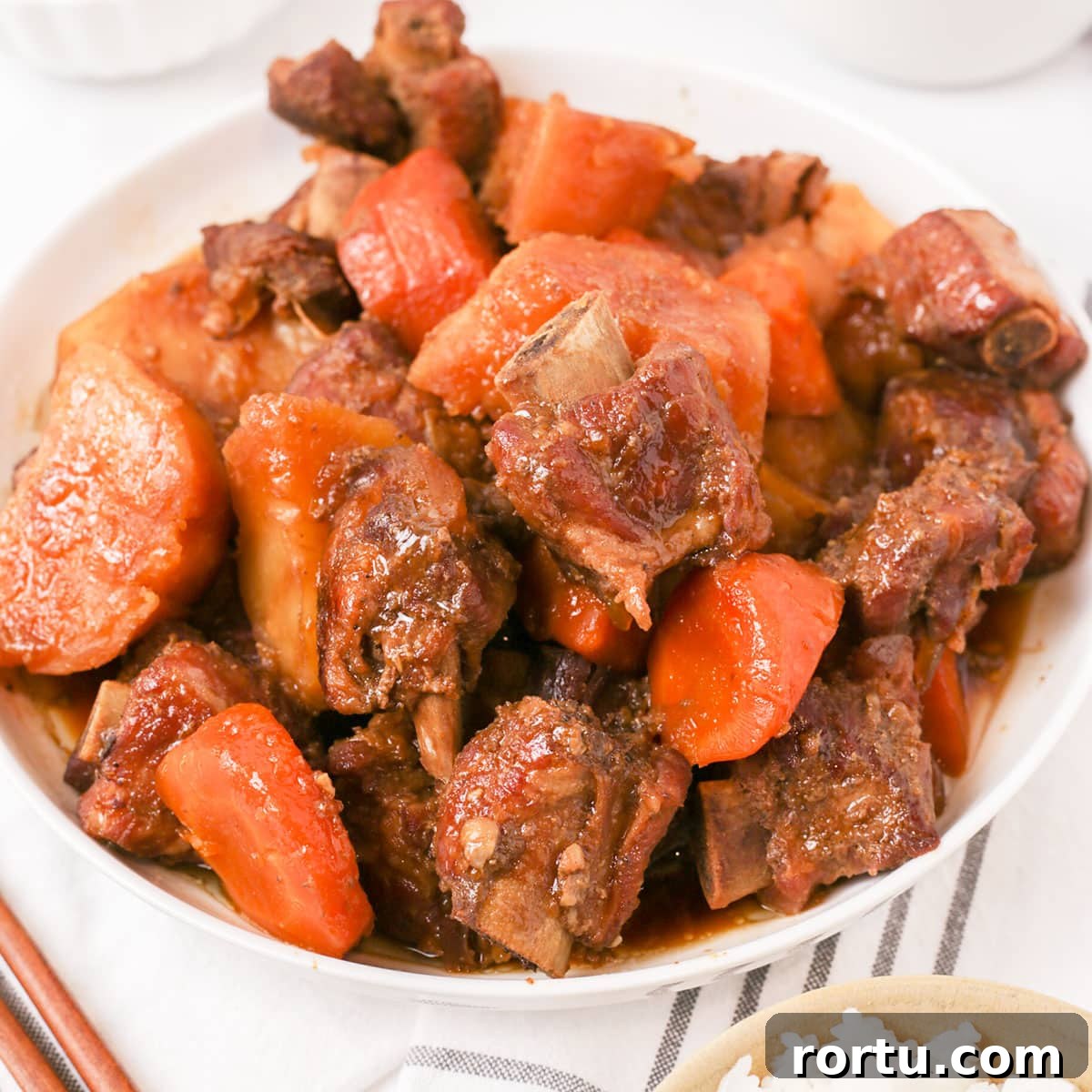
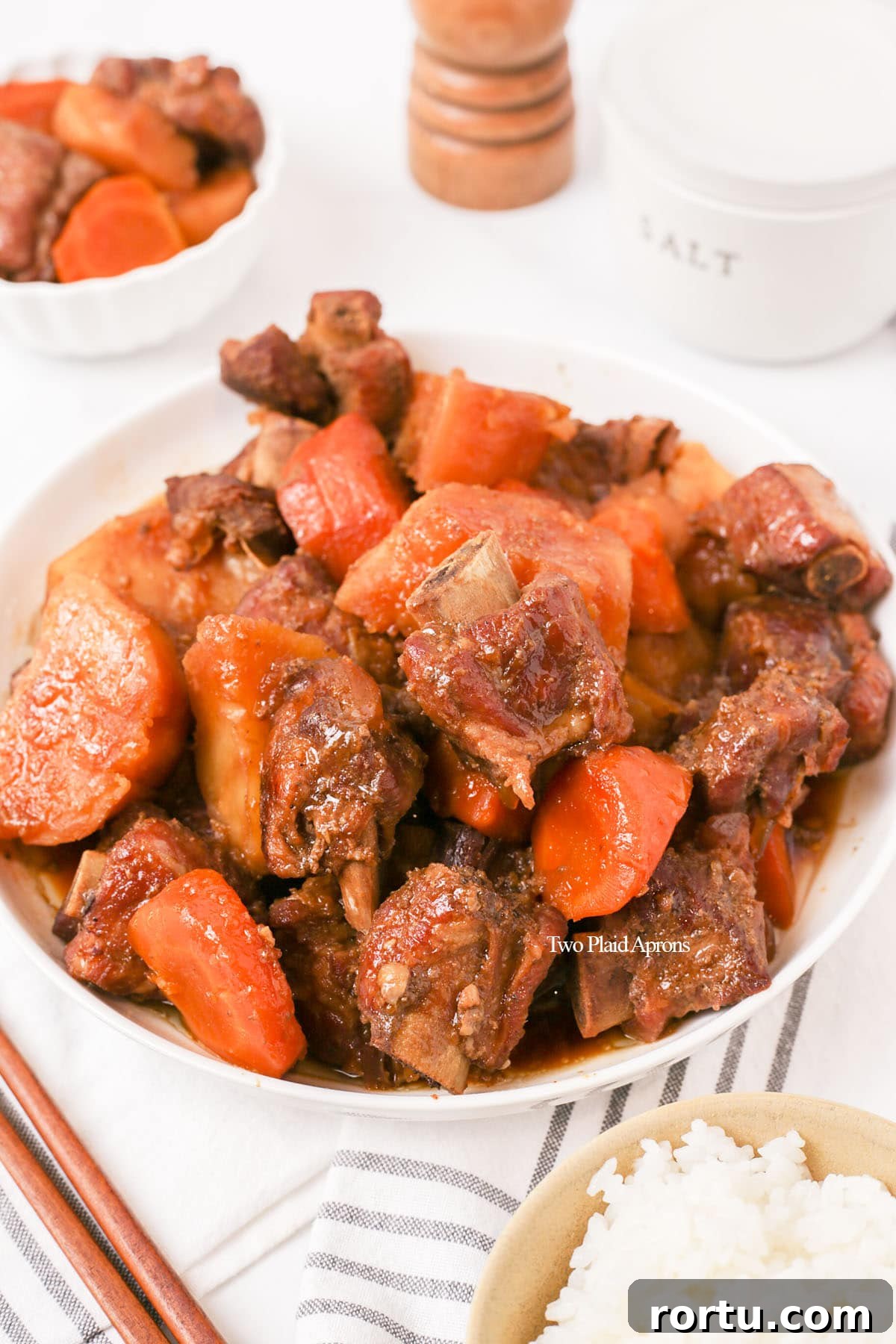
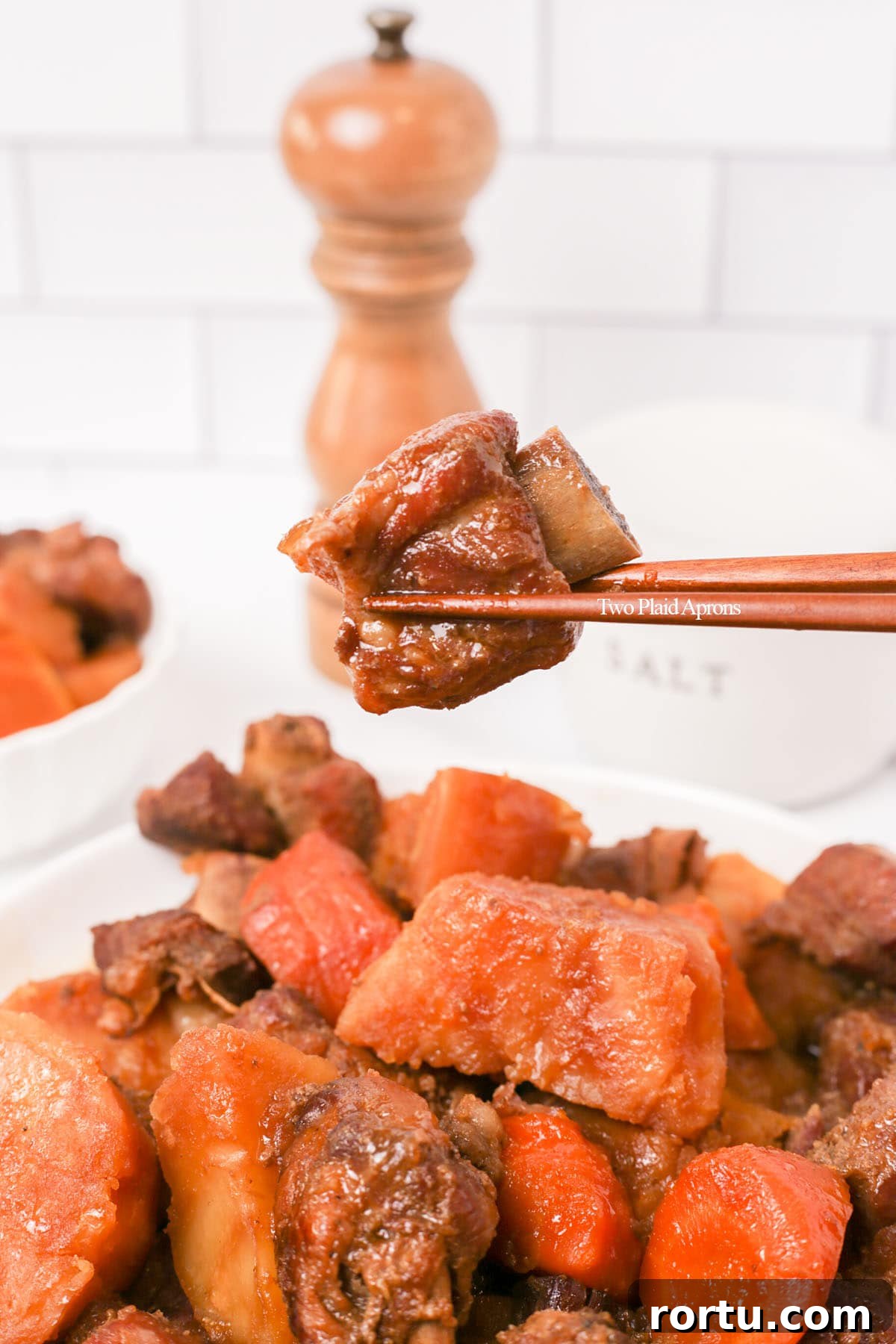
Dwaeji galbijjim, or Korean soy-braised pork ribs, is a simple, deeply flavored braise featuring fall-off-the-bone tender pork ribs with potatoes and carrots that soak up the savory-sweet sauce. This recipe explains two ways to make dwaeji galbijjim: the traditional stovetop method and a faster pressure rice cooker method.
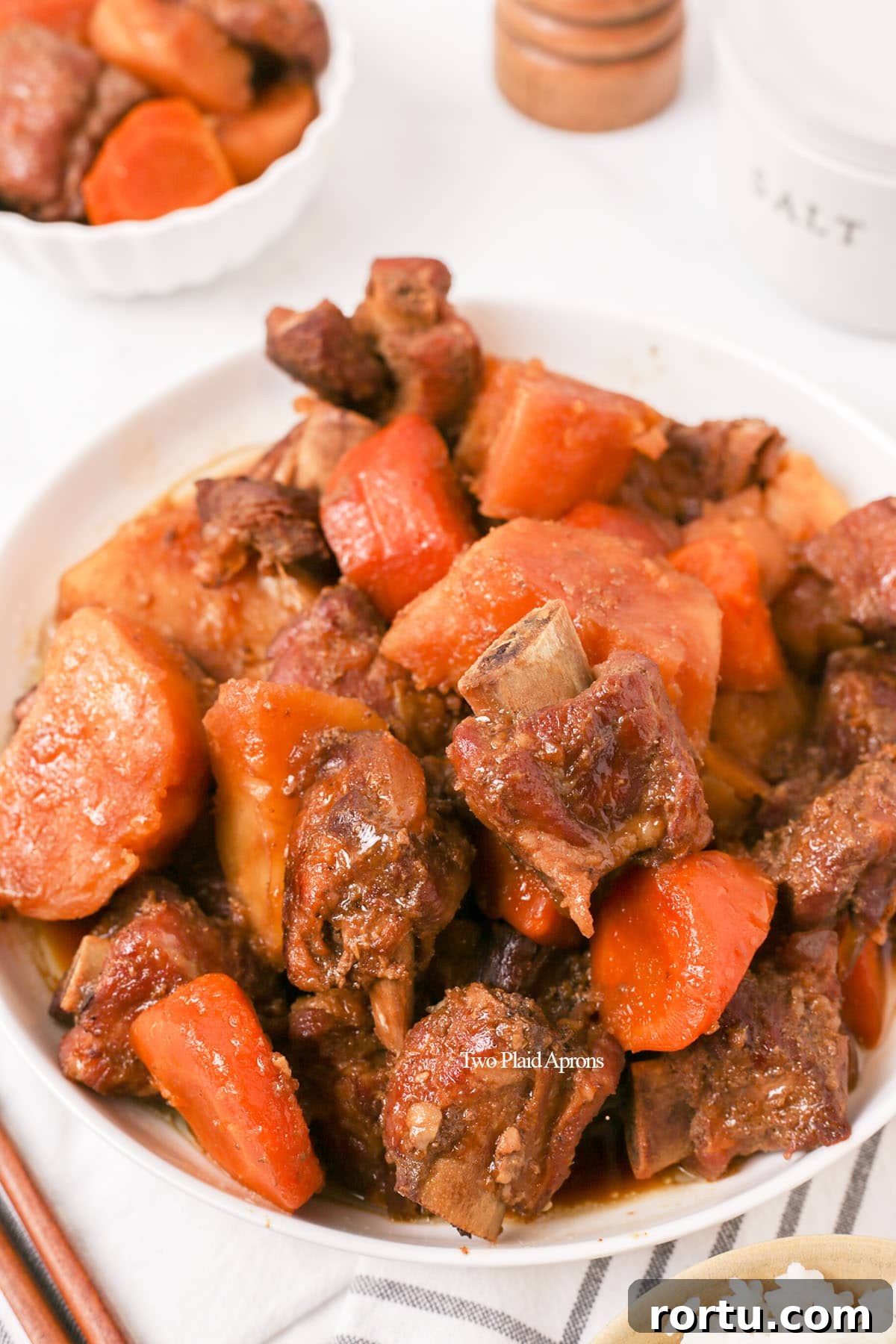
If you enjoy soy-based braises, this dish will be a new favorite. The sauce balances sweet and savory, and the vegetables become richly flavored as they cook with the ribs. Both methods produce tender, flavorful results—use the stovetop for a classic slow braise or a multicook pressure rice cooker for a quicker, hands-off version.
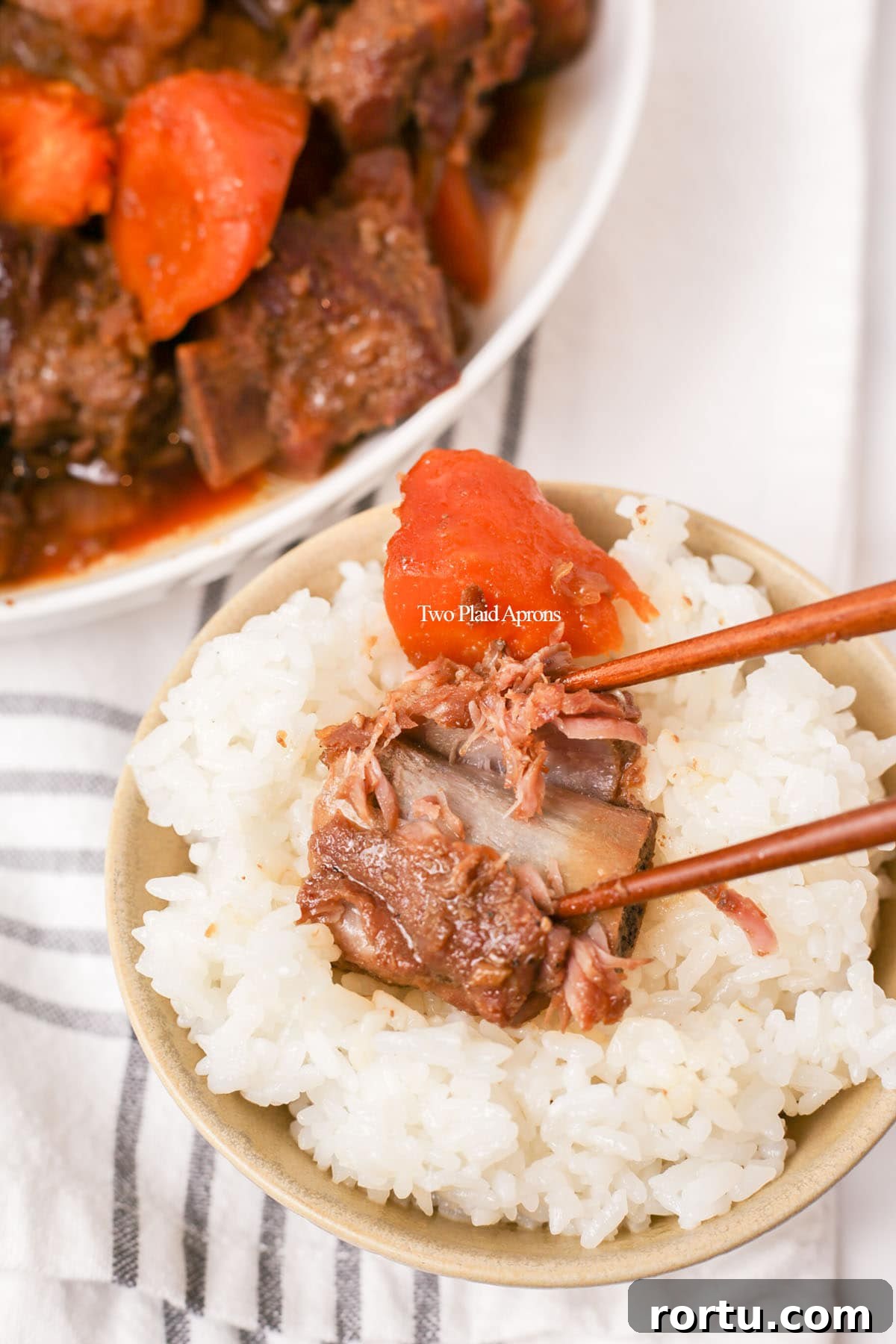
What to eat with Korean soy-braised pork ribs
This dwaeji galbijjim is versatile. It pairs well with many sides; here are a few favorites:
- Rice — Steamed white rice is essential to soak up the sauce. Sticky short-grain rice or mixed Korean purple rice both work great.
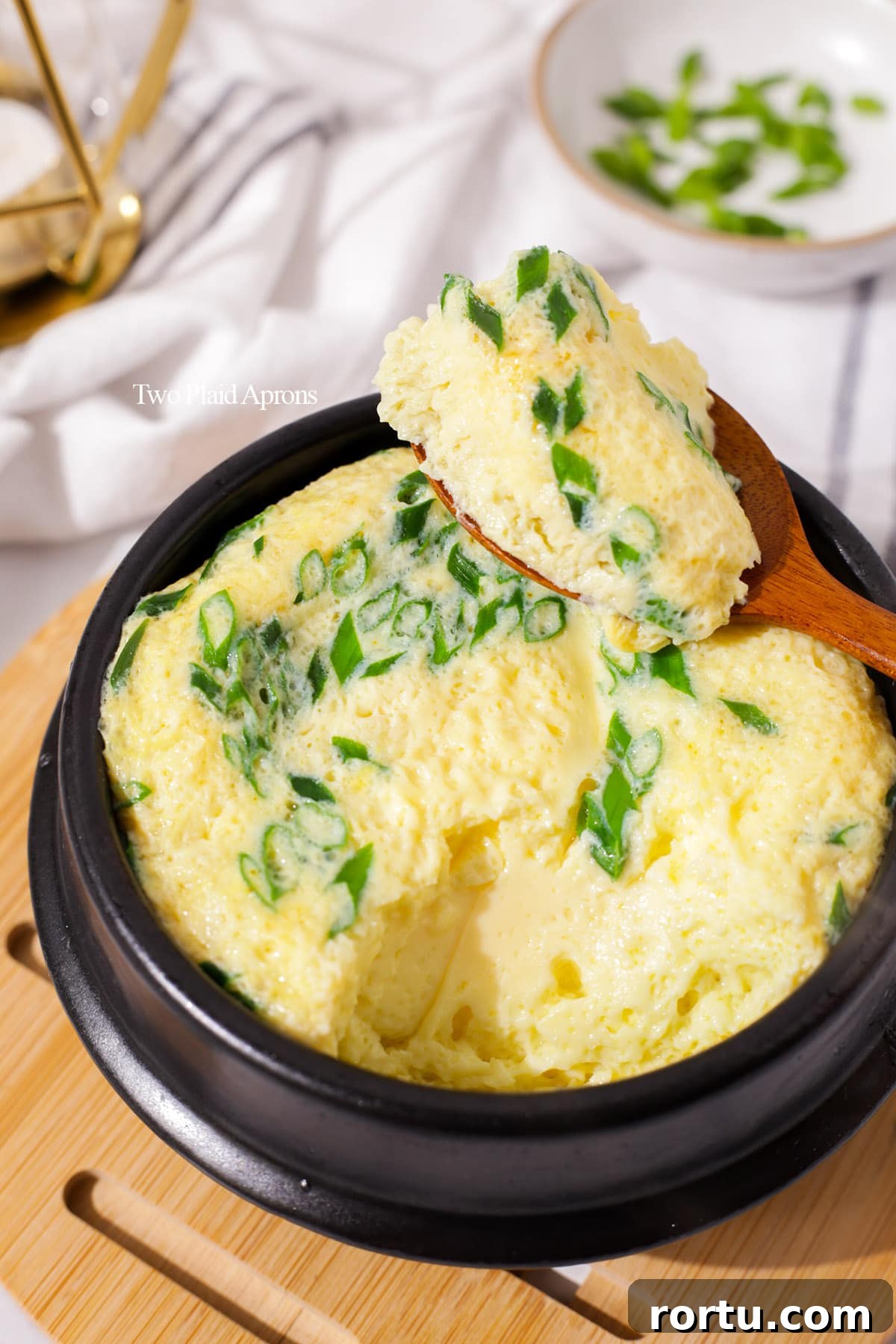
- Gyeran jjim — A soft Korean steamed egg makes a comforting side and balances the rich flavors.
- Kimchi — The tangy, spicy brightness of kimchi cuts through the richness of the braise; napa cabbage kimchi or quick cucumber kimchi (oi kimchi) both complement the dish.
- Japchae — Korean glass noodles stir-fried with vegetables make an excellent accompaniment if you want an extra side with texture.
Ingredients and substitutions
Please scroll to the recipe card for exact ingredient quantities.
For the braised ribs:
- Pork riblets — Convenient and usually pre-cut into small pieces; you can also use spare ribs cut into 1–2 inch pieces.
- Russet potatoes — They absorb the braising sauce well. Baby or Yukon gold potatoes are fine substitutes.
- Carrot — Adds color and natural sweetness.
- Onion — Adds savory sweetness to the braise.
- Green onion — Optional garnish for freshness.
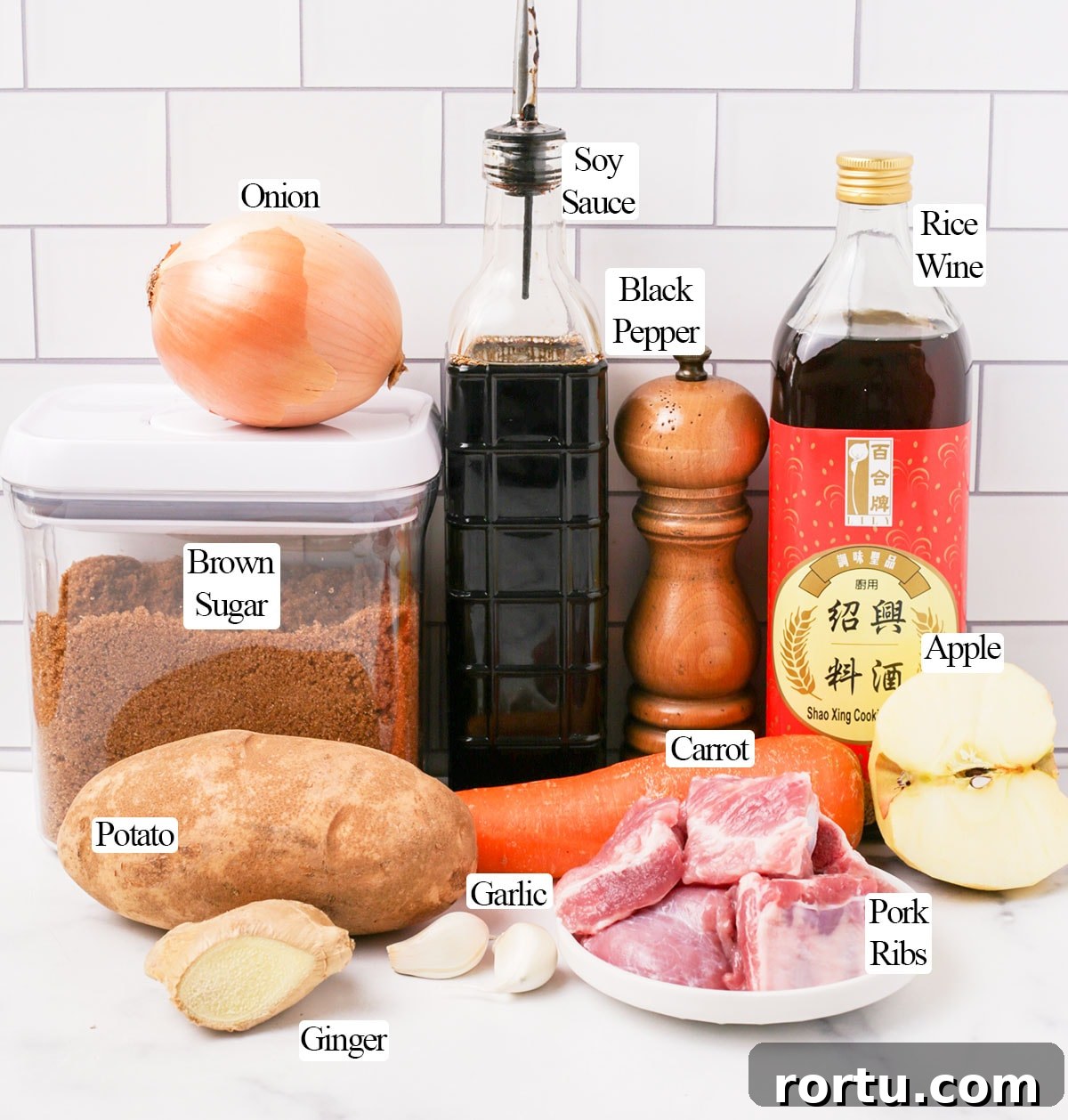
For the marinade:
- Soy sauce — Use regular sodium soy sauce for proper seasoning; low-sodium versions can make the dish taste under-seasoned unless adjusted with salt.
- Brown sugar — Adds sweetness, color, and depth. Granulated sugar can be used in a pinch.
- Shaoxing rice wine — Helps remove any gamey flavors and adds aroma; a cooking rice wine is a good substitute.
- Apple — Adds sweetness and helps tenderize the meat; Fuji apples or Korean pears both work well.
- Garlic and ginger — Essential aromatics that boost flavor.
- Black pepper — A few cracks for subtle heat.
How to make Korean braised pork ribs
Marinate the ribs:
1. Combine all marinade ingredients in a food processor and blend until mostly smooth and evenly combined.

2. Pour the marinade over the pork ribs in a large bowl and mix to coat. Cover and marinate at least 1 hour; overnight yields the best flavor.
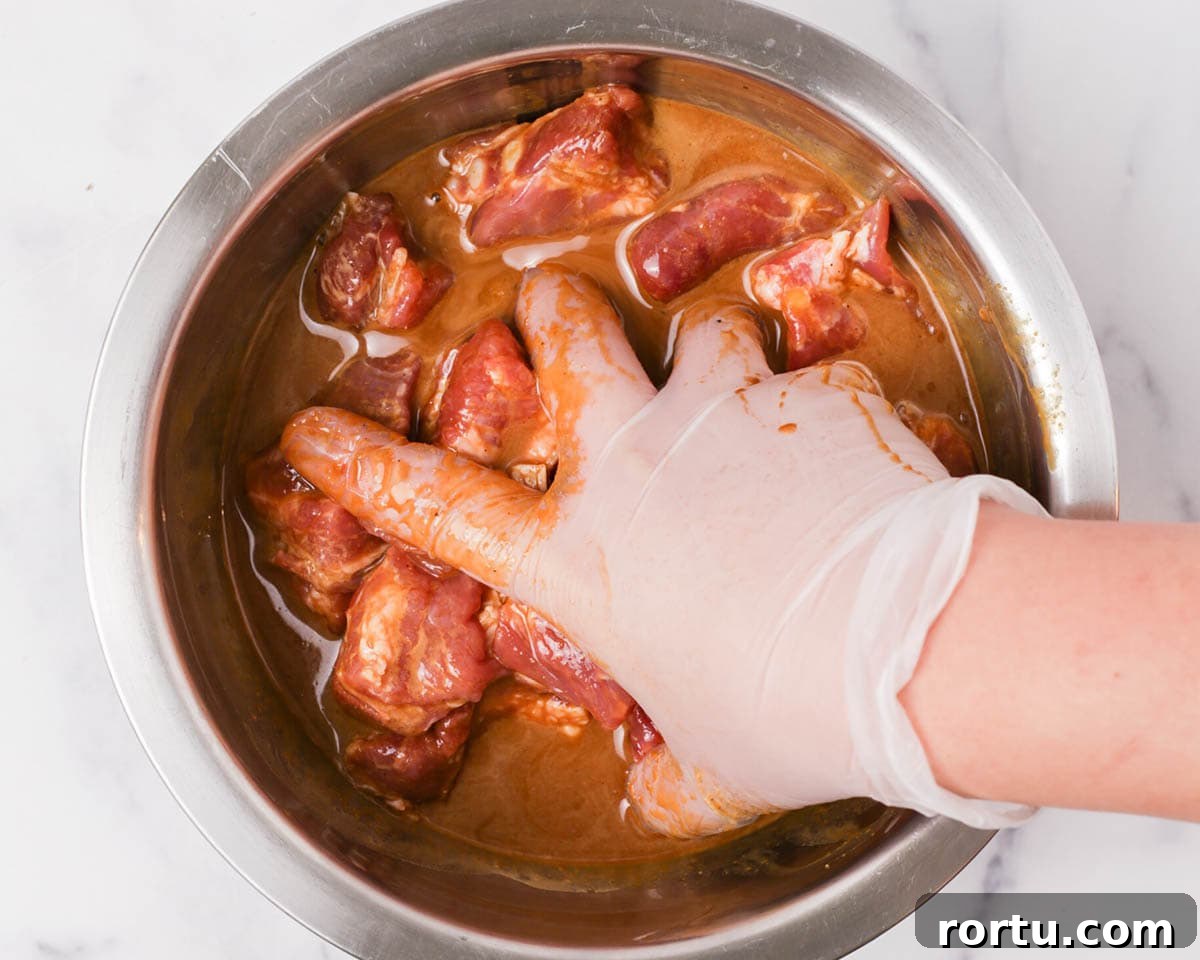
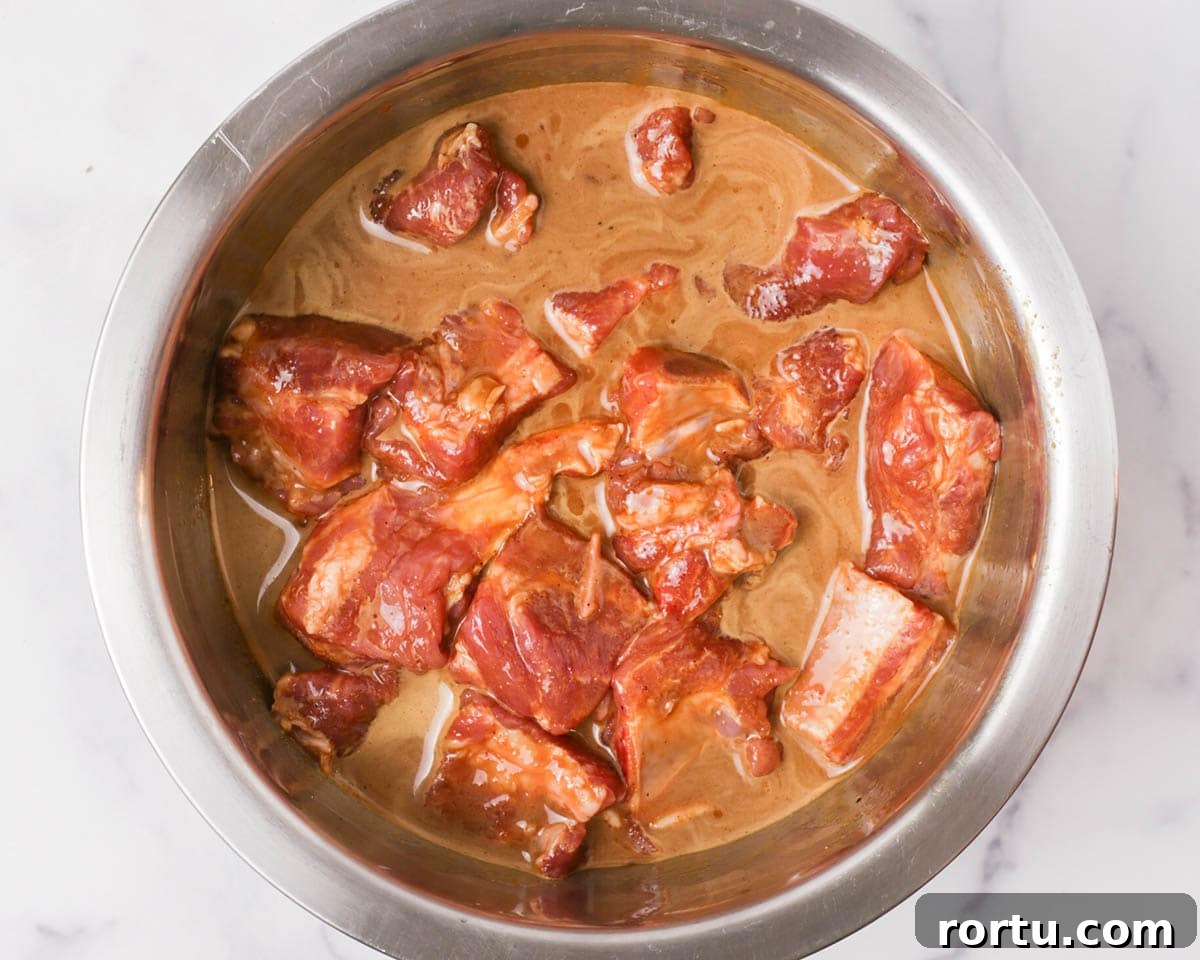
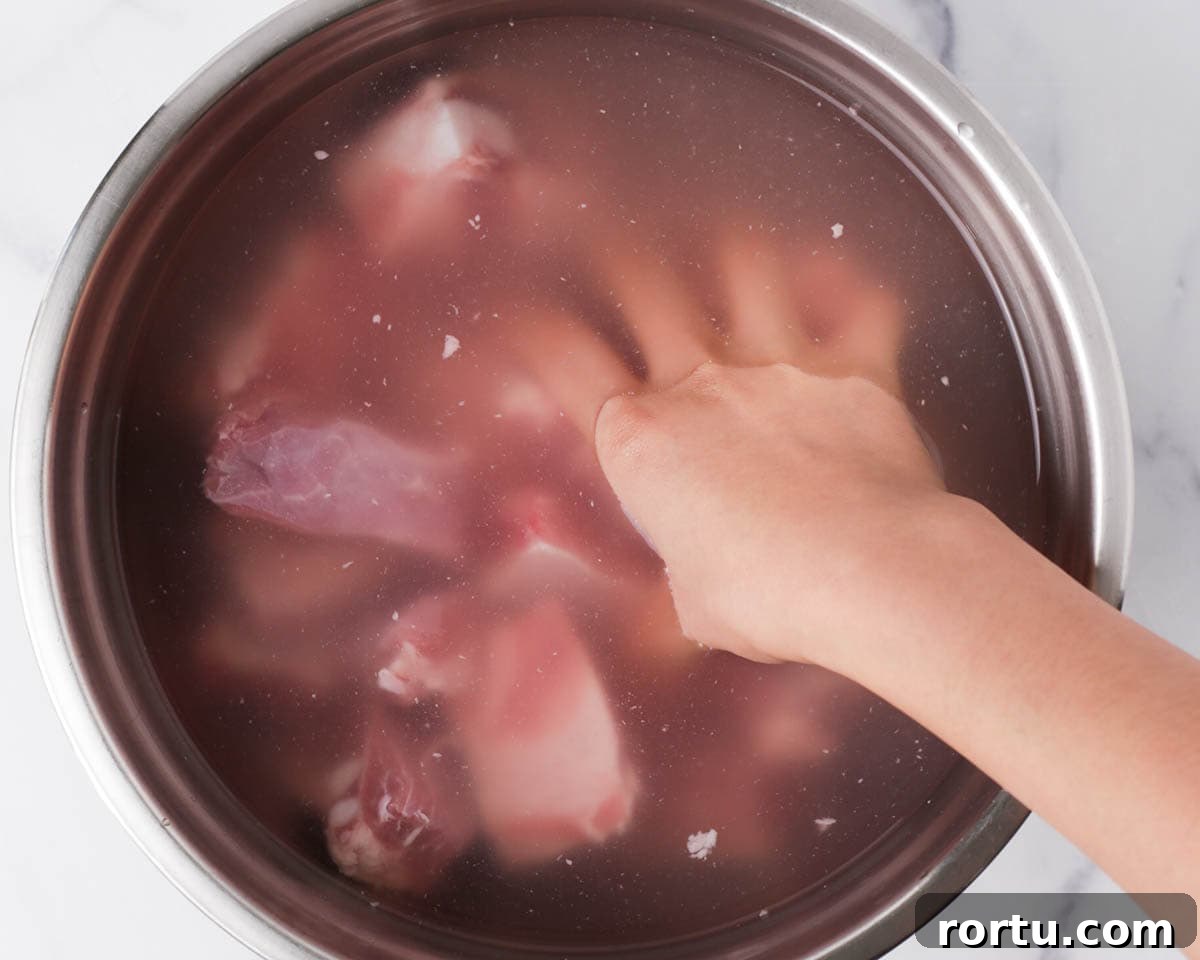
Pro tip: Wash and rinse the ribs a couple of times before marinating to remove excess blood or bone fragments from cutting.
Pressure rice cooker method (Cuckoo or similar):
1. Place the marinated ribs and marinade into the rice cooker pot. Scatter the potatoes, carrots, and onions on top.
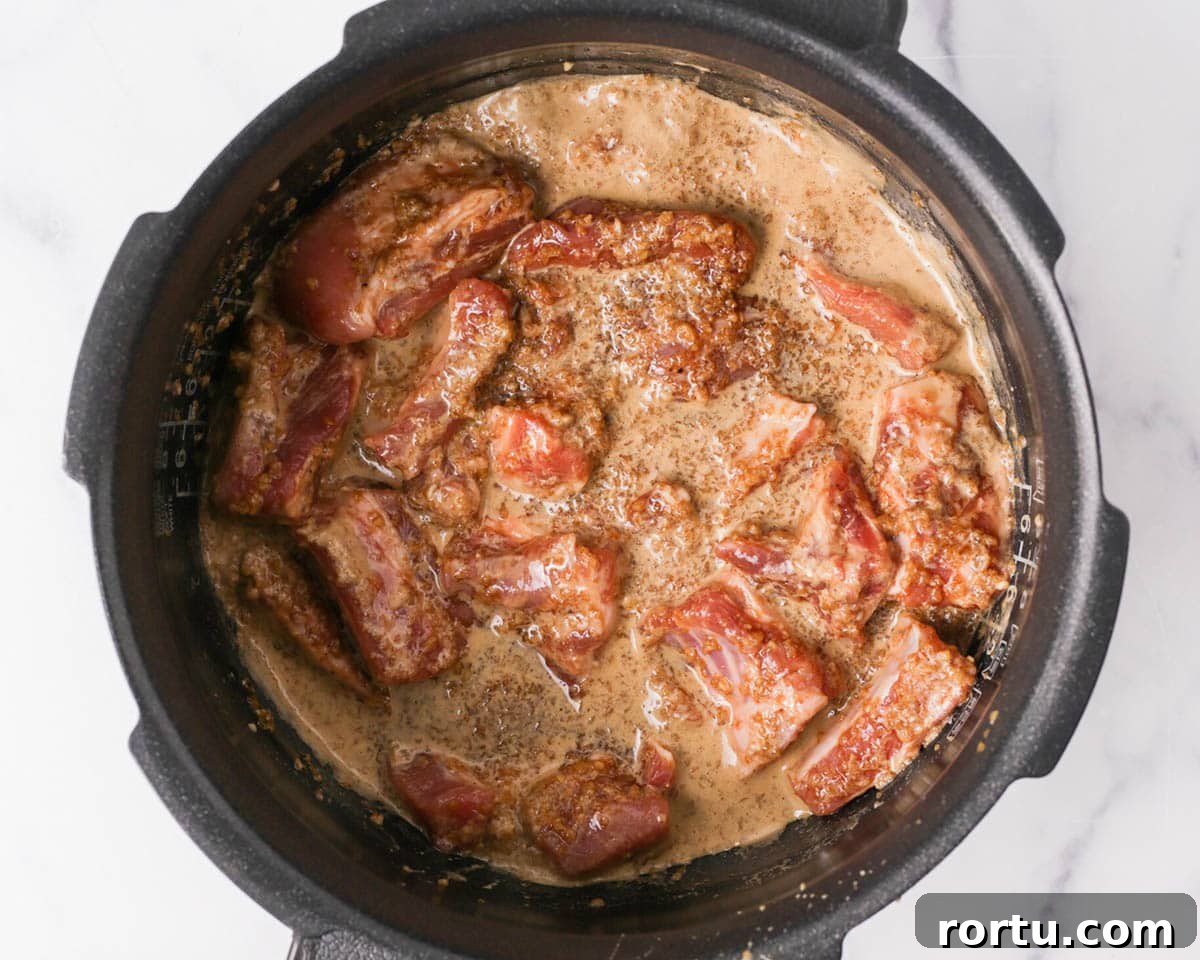
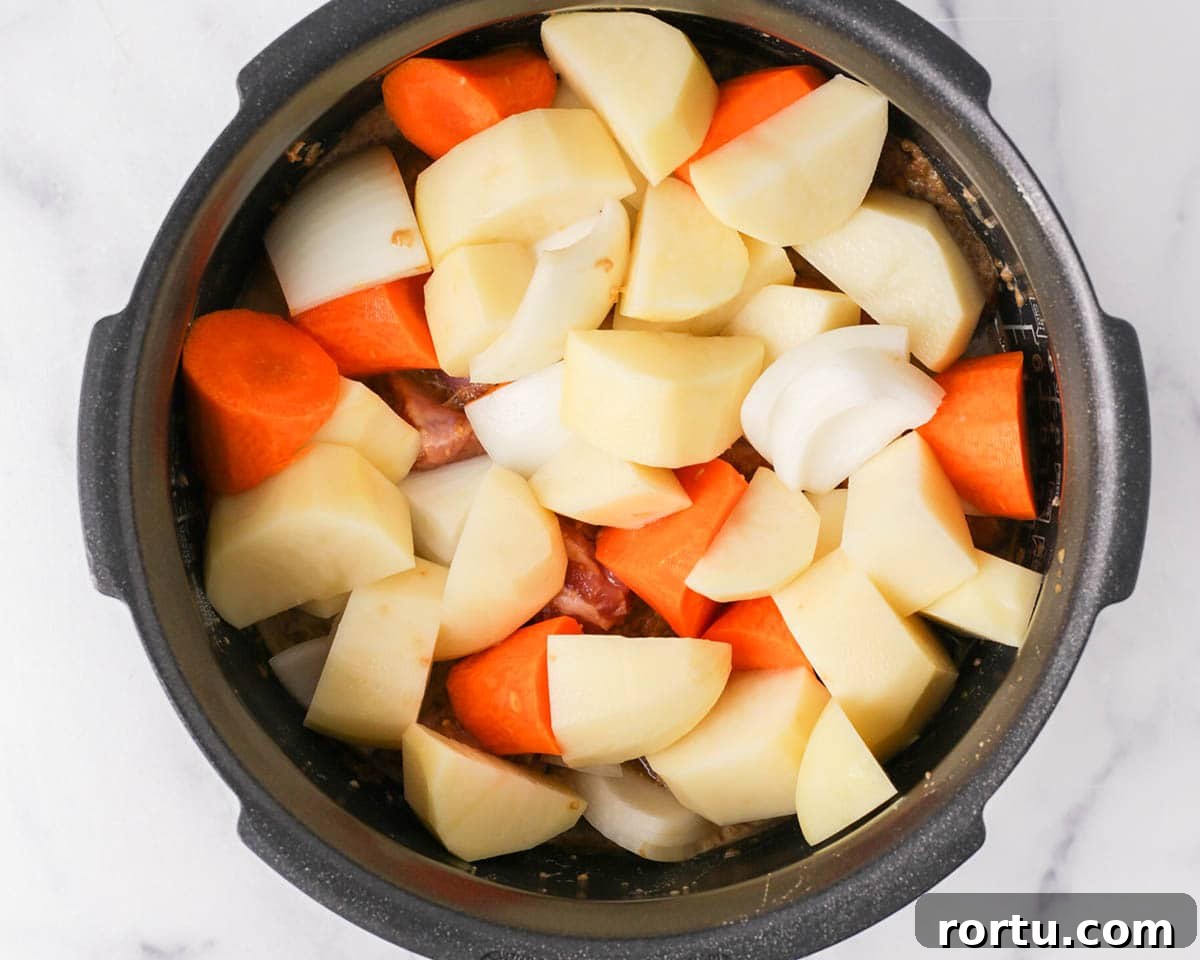
2. Lock the lid and set the cooker to a multicook or pressure cook setting for about 35 minutes (times may vary by model).
3. When finished, carefully remove the pot, garnish with green onions, and serve hot with steamed rice.
Stovetop method:
1. Transfer the marinated ribs to a tall pan or medium pot. Scatter potatoes, carrots, and onions evenly over the ribs.
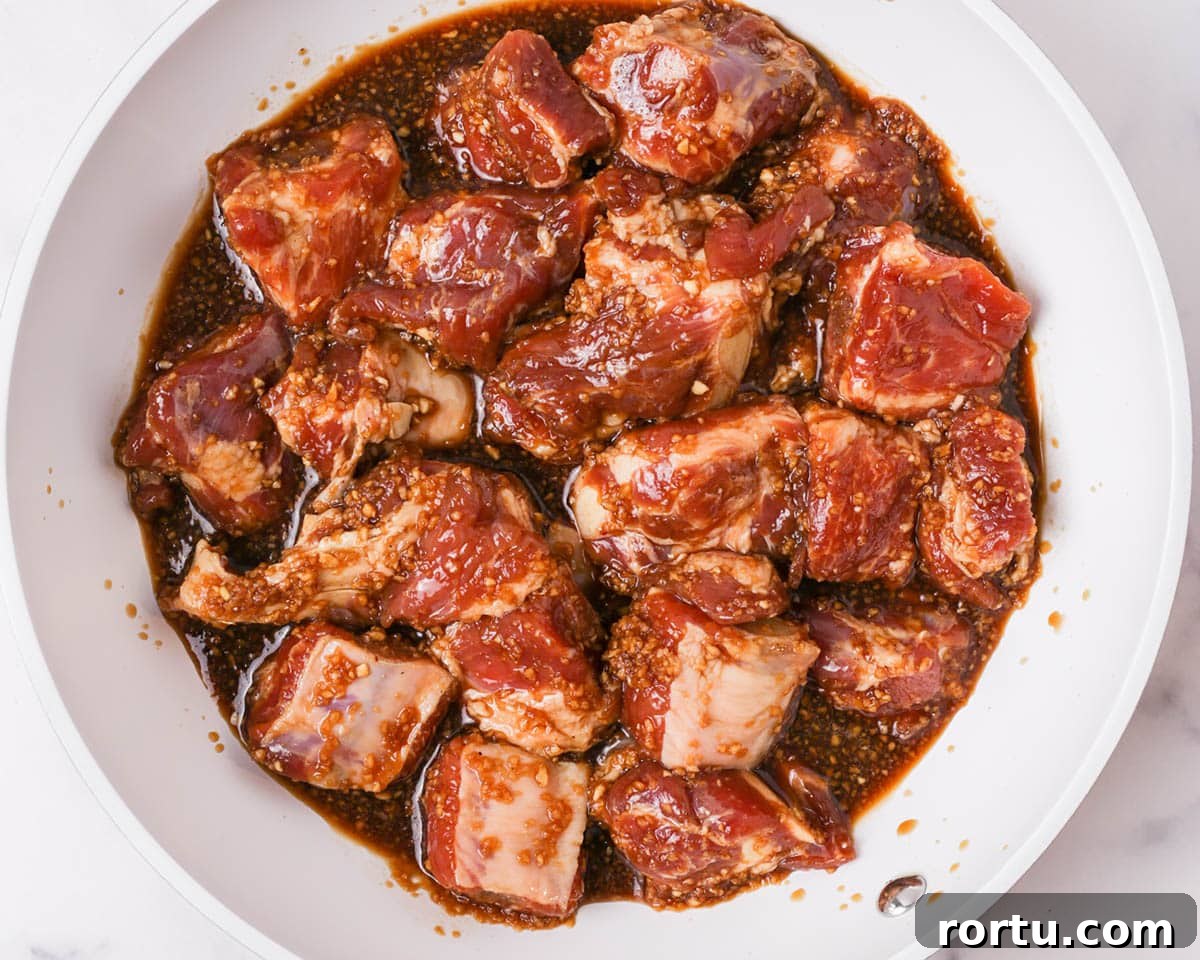
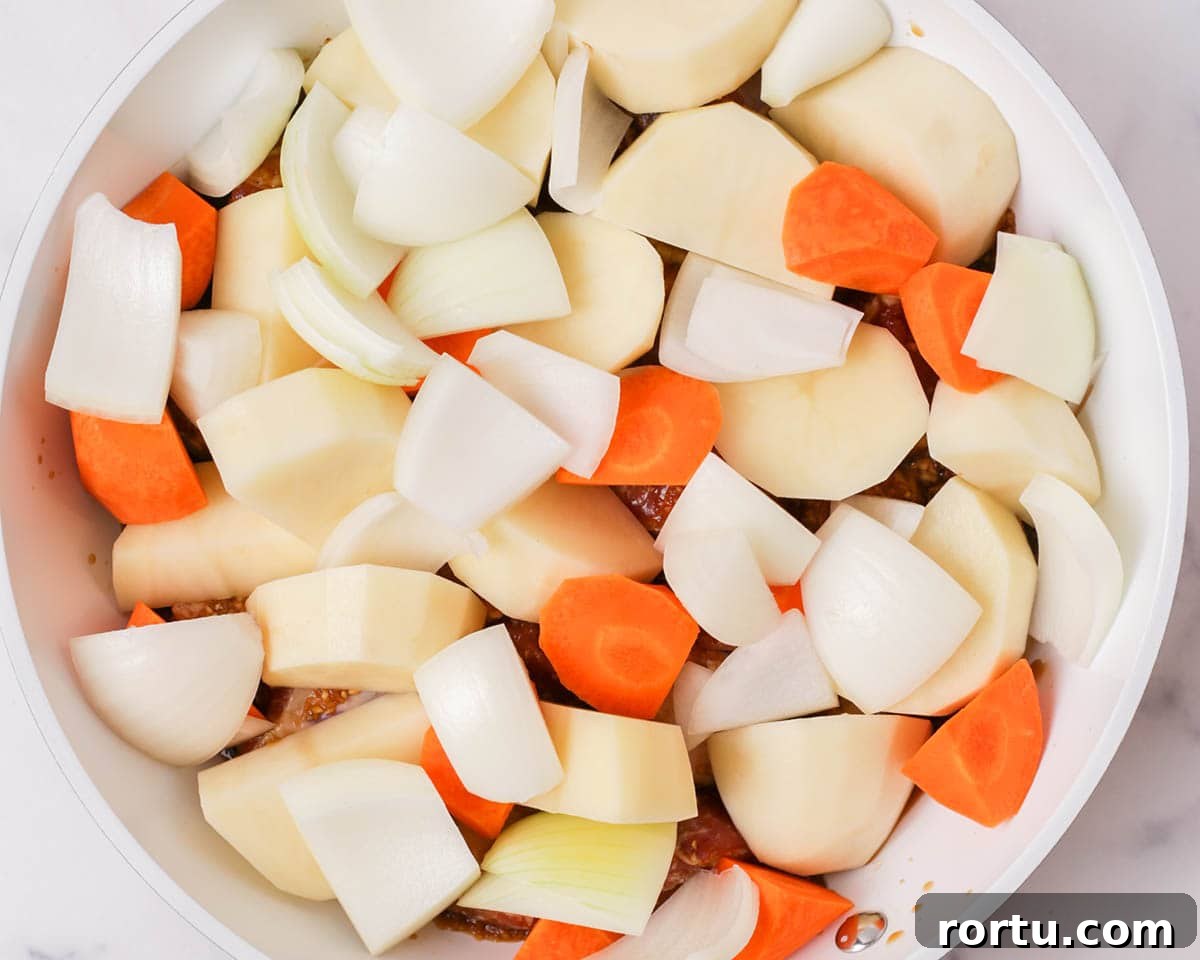
2. Bring to a boil, then reduce heat to maintain a gentle simmer. Cover and simmer 45 minutes to 1 hour, or until ribs are tender and vegetables are cooked, stirring occasionally.
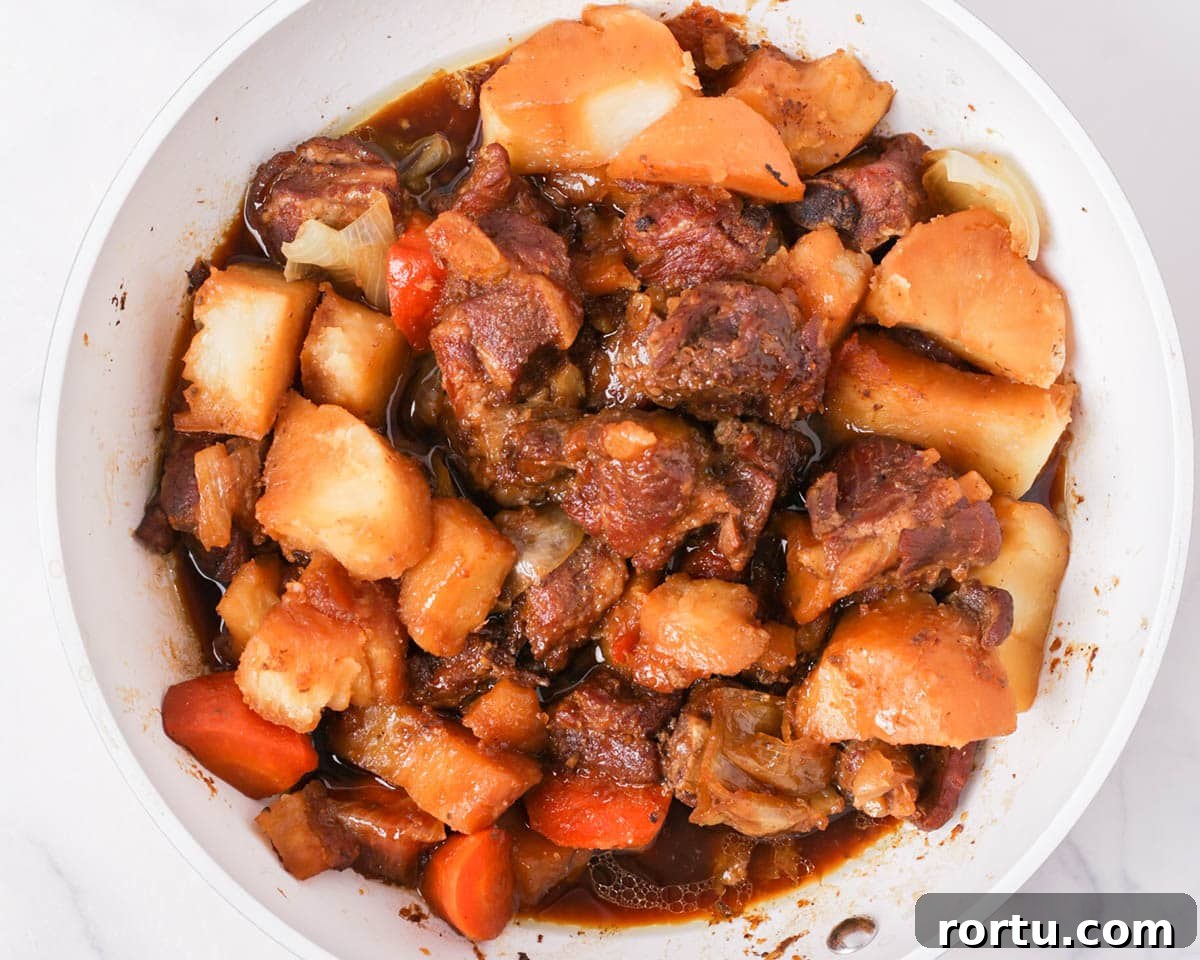
3. For a thicker sauce, remove the lid for the last 10 minutes to reduce the liquid. Finish by garnishing with green onions and serving with steamed rice.
Recipe tips
- Marinate overnight when possible to deepen flavor.
- Cut potatoes large so they finish cooking when the ribs are tender—halved lengthwise and cut into 1″ half-moons is a good size.
- If using spare ribs, have the butcher cut them into 1½–2″ pieces so they marinate evenly and are easy to eat.
Storage and reheating
Store leftovers in airtight containers in the refrigerator for 4–5 days or freeze up to 2 months. Cool completely before storing and consider portioning before freezing for easier thawing.
Reheat in the microwave until hot, or warm on the stovetop in a pot until heated through. If frozen, thaw overnight in the refrigerator before reheating for best texture.
FAQ
Yes. Substitute with vegetables you prefer, though potatoes are particularly delicious in a soy braise and help thicken the sauce as they break down slightly.
Dry ribs usually mean the heat was too high. Keep the braise at a steady medium simmer after the initial boil—rolling boils can dry meat out.
Yes. Any pressure rice cooker or pressure cooker will work, but cooking times and settings may vary from those used for a Cuckoo rice cooker, so adjust accordingly.
If you make this recipe, please tag your photos on Instagram with #twoplaidaprons or mention @two_plaid_aprons — we’d love to see your results!
Recipe

Dwaeji Galbijjim (Korean Braised Pork Ribs)
Ingredients
For the braised pork ribs:
- 2 pounds pork riblets (or spare ribs cut into 1½–2″ pieces)
- 2 medium russet potatoes, peeled and cut into 2″ chunks
- 1 large carrot, peeled and cut into 1″ chunks
- 1 large yellow onion, peeled and cut into large pieces
- Green onions, thinly sliced (optional for garnish)
- Cooked white rice (for serving)
For the marinade:
- ½ cup regular soy sauce
- ¼ cup dark brown sugar, packed
- 2 tablespoons Shaoxing rice wine (or cooking rice wine)
- ½ large apple, cored, peeled, and cut into chunks (Fuji preferred)
- 2 cloves garlic
- 1-inch piece ginger, peeled and cut into smaller pieces
- Few cracks of black pepper
Instructions
Marinate the pork ribs:
- Combine all marinade ingredients in a food processor and blend until mostly smooth.
- Pour the marinade over the ribs, mix to coat, cover, and marinate at least 1 hour, preferably overnight. Pro tip: rinse ribs a couple of times before marinating to remove excess blood or bone fragments.
Pressure rice cooker method:
- Place marinated ribs and marinade into the rice cooker pot. Scatter potatoes, carrots, and onions on top.
- Lock the lid and set to multicook/pressure cook for about 35 minutes (adjust for your model).
- Carefully remove the pot, garnish with green onions, and serve with steamed rice.
Stovetop method:
- Transfer marinated ribs to a tall pan or medium pot and scatter potatoes, carrots, and onions over them.
- Bring to a boil, reduce heat to a gentle simmer, cover, and cook 45 minutes to 1 hour until ribs are tender. Stir occasionally.
- For a thicker sauce, remove the lid for the last 10 minutes to reduce the liquid. Garnish with green onions and serve with rice.
Notes
- Rice cooker method: cooking time and settings are based on a Cuckoo rice cooker; results may vary with other models.
- Soy sauce: use regular sodium soy sauce for proper seasoning. If using low-sodium soy sauce, taste and adjust salt as needed.
Nutrition (per serving, approximate)
Calories: 829 kcal | Carbs: 44.4 g | Protein: 41.2 g | Fat: 53.3 g | Sodium: 1828 mg