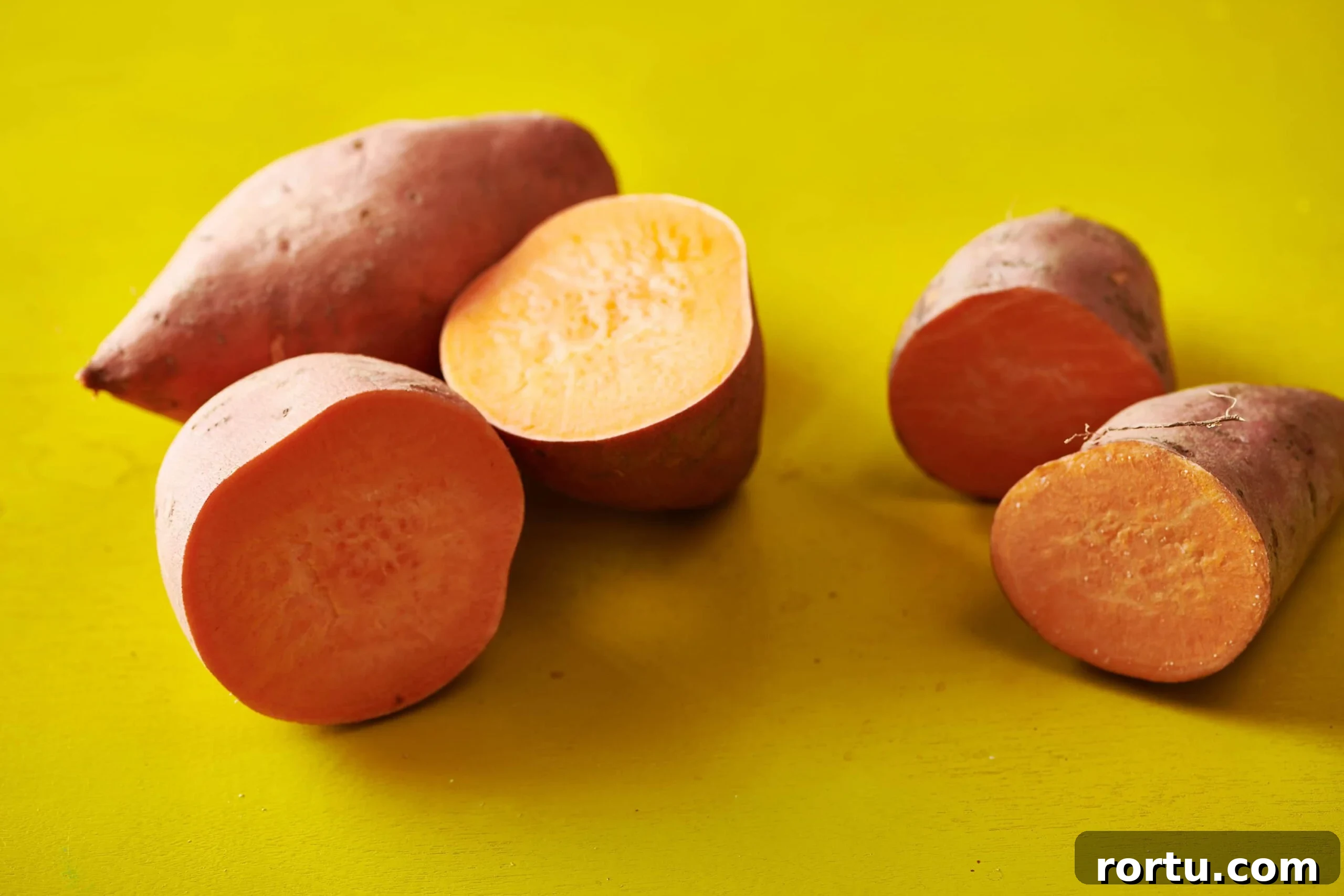
Sweet potatoes are a popular root vegetable known for their naturally sweet, orange flesh. Baked alone they’re satisfying, and when used in recipes they bring a warm, earthy sweetness to many dishes. From crispy baked sweet potato fries served with chipotle mayo to classic sweet potato casserole—sweet potatoes make versatile, delicious sides.
- What Are Sweet Potatoes?
- What Do Sweet Potatoes Look Like?
- FAQs
- What Do Sweet Potatoes Taste Like?
- Sweet Potato Substitutes
- Where to Find and How to Choose Sweet Potatoes
- How to Prepare and Cook With Sweet Potatoes
- How to Store Sweet Potatoes
- 12 Sweet Potato Recipes
- Baked Sweet Potatoes
- How to Bake Sweet Potatoes Recipe
What Are Sweet Potatoes?
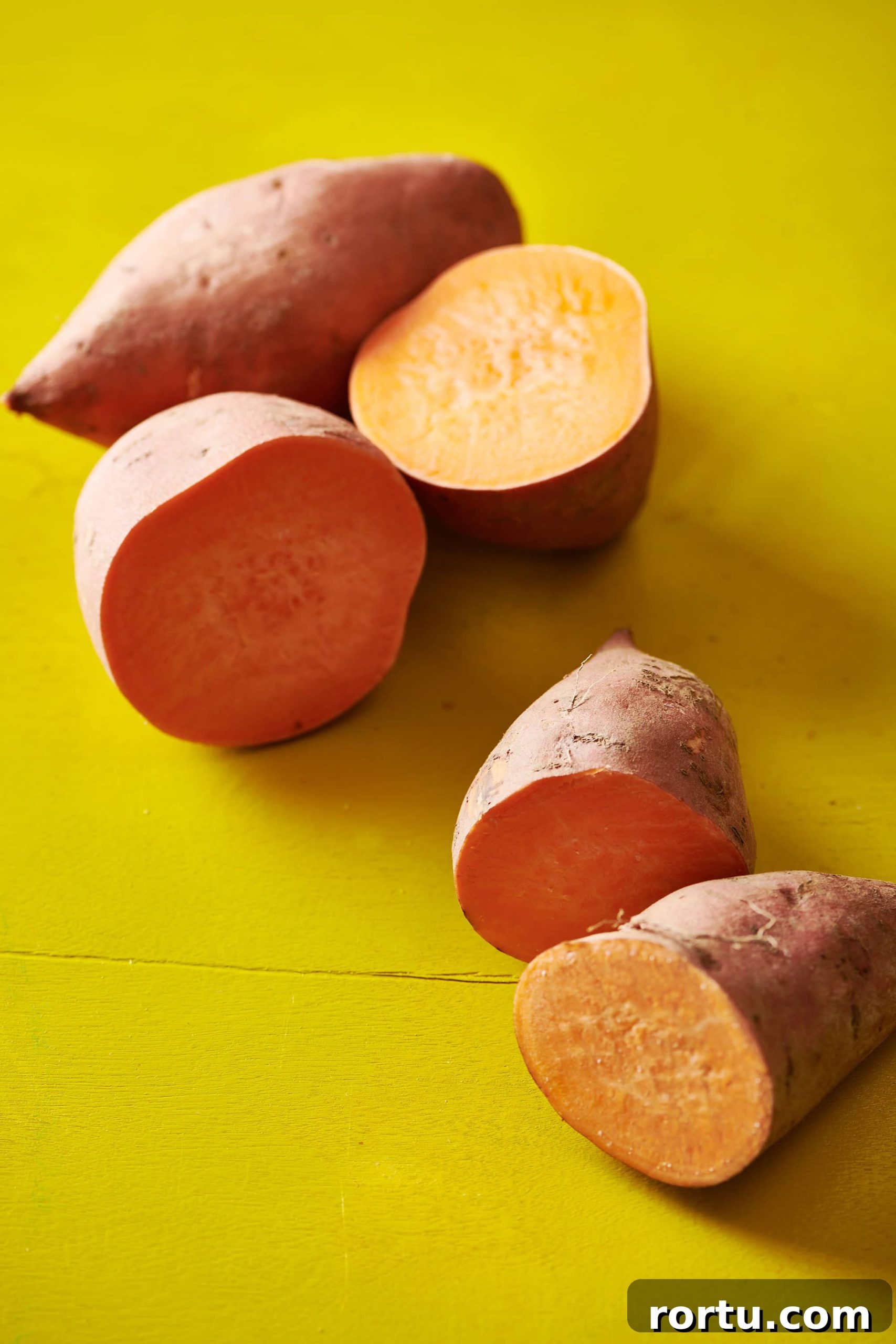
Sweet potatoes are starchy, sweet-tasting root vegetables that grow underground. Their leaves and shoots can be eaten as greens in some cuisines. Compared with common potatoes, sweet potatoes contain different sugars and starches that give them a distinctly sweeter flavor. Varieties vary in sweetness and texture.
What Do Sweet Potatoes Look Like?
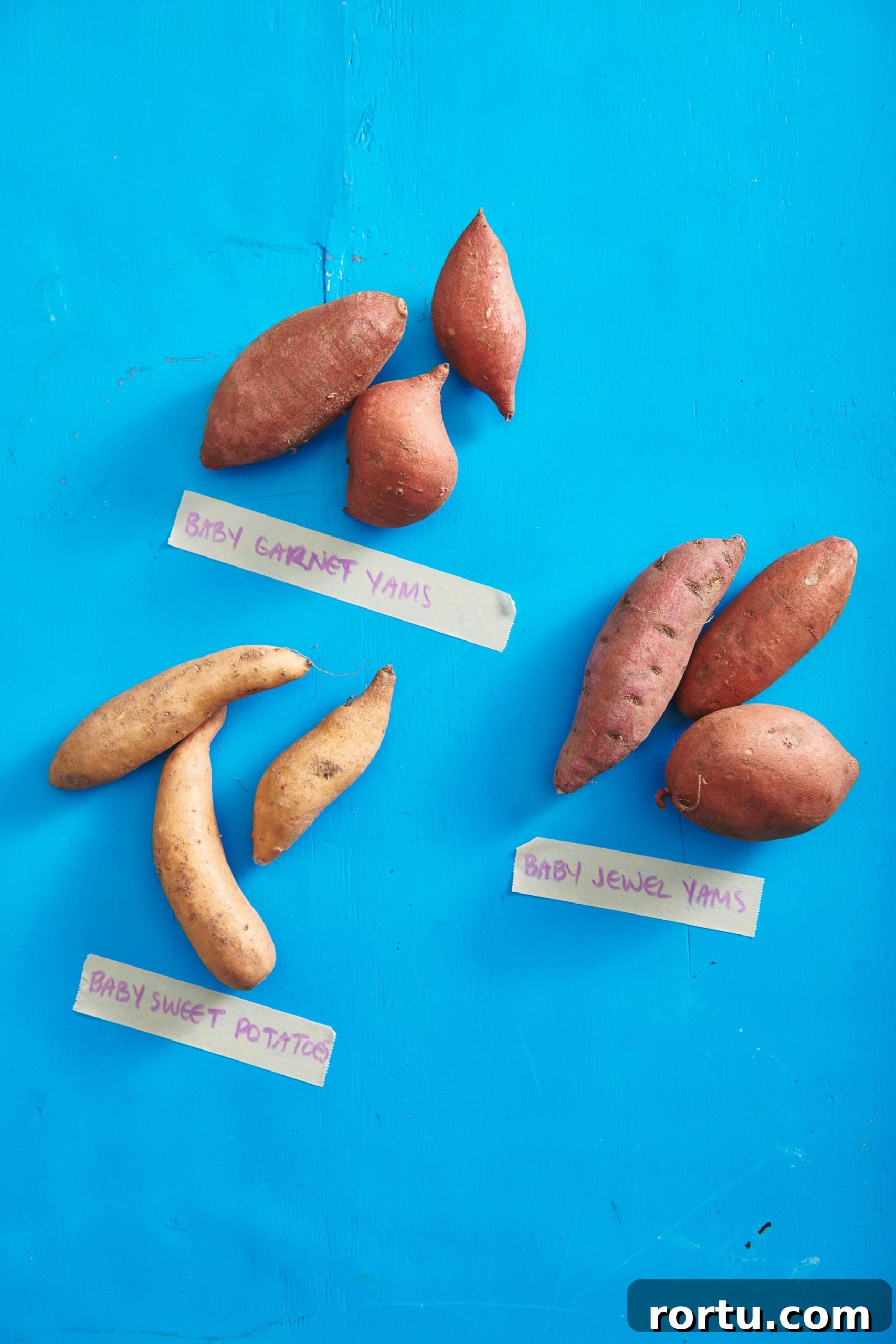
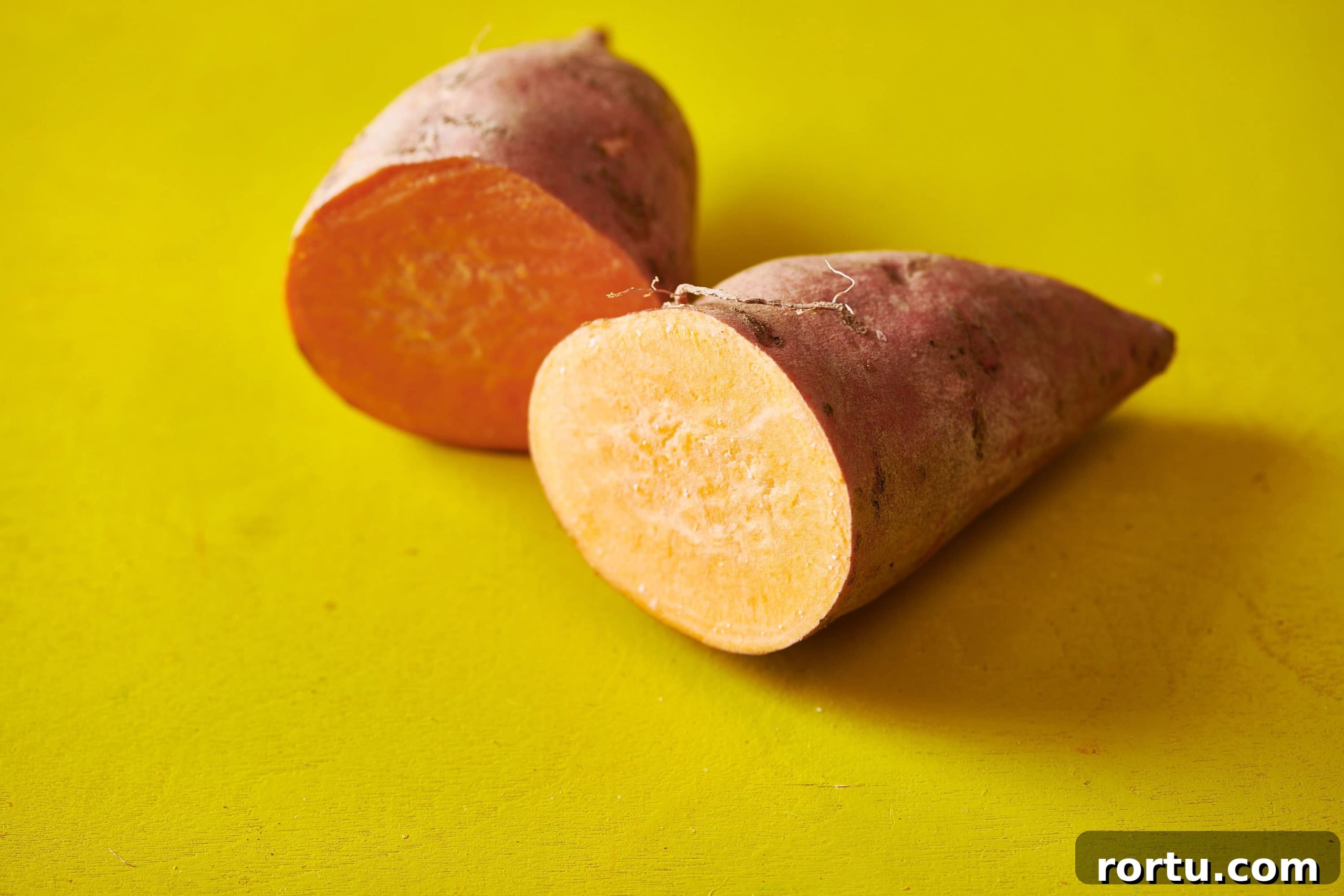
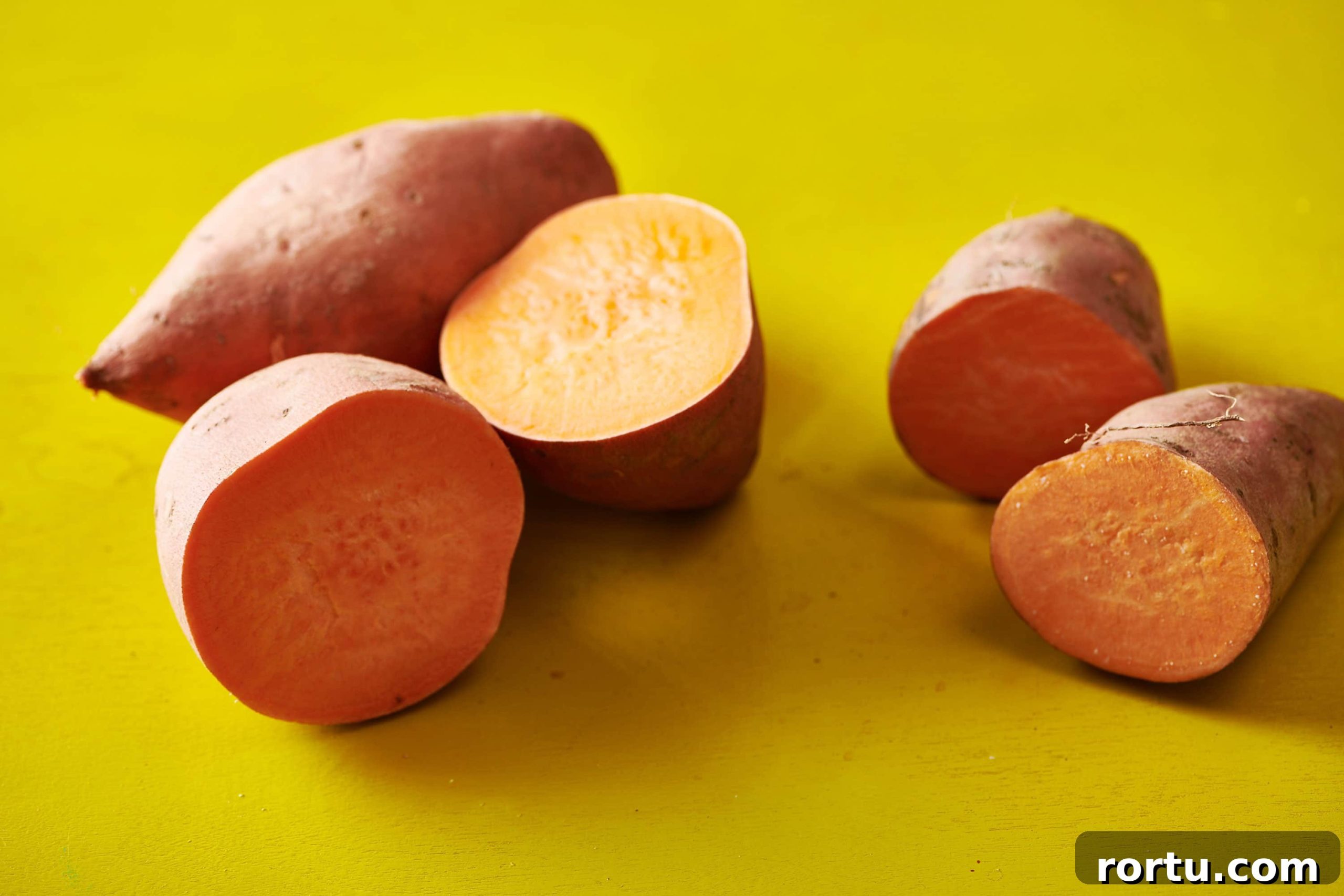
Sweet potatoes often have a long, tapered shape but can also be rounder or plump. While the most familiar type has copper-brown skin and bright orange flesh, other varieties have red, yellow, purple, or white skins and flesh ranging from white to deep purple. Baby sweet potatoes—simply smaller tubers—are great roasted whole and make attractive side portions.
How to Cook Sweet Potatoes: Everything you need to know to choose, store, and cook sweet potatoes!
FAQs
The terms are sometimes used interchangeably, but they are different. True yams are from a different plant family and tend to be larger, starchier, and drier than sweet potatoes. In many recipes they can be substituted for one another, but they are distinct vegetables.
Sweet potatoes are sold year-round, but their peak season is typically October through December.
Yes. Sweet potatoes are rich in beta-carotene (a precursor to vitamin A) and are good sources of vitamin C, potassium, fiber, and other antioxidants, making them a nutritious addition to your diet.
What Do Sweet Potatoes Taste Like?
As the name suggests, sweet potatoes have a pleasantly sweet flavor that becomes more pronounced when cooked. Enzymes break down starches into sugars during cooking, creating a creamy, rich texture and a sweet, slightly nutty taste.
Sweet Potato Substitutes
If you need a substitute, other potatoes or root vegetables can work depending on the dish. For baked or mashed applications you can blend sweet potatoes with russets for a balanced texture, or use other starchy roots like yams or parsnips in savory preparations.
Where to Find and How to Choose Sweet Potatoes
Most grocery stores carry sweet potatoes year-round near other produce. Small to medium tubers are usually sweeter and creamier; very large sweet potatoes can be starchier. Choose firm tubers with smooth skin and no soft spots. Darker orange skin often indicates a higher beta-carotene content.
How to Prepare and Cook With Sweet Potatoes
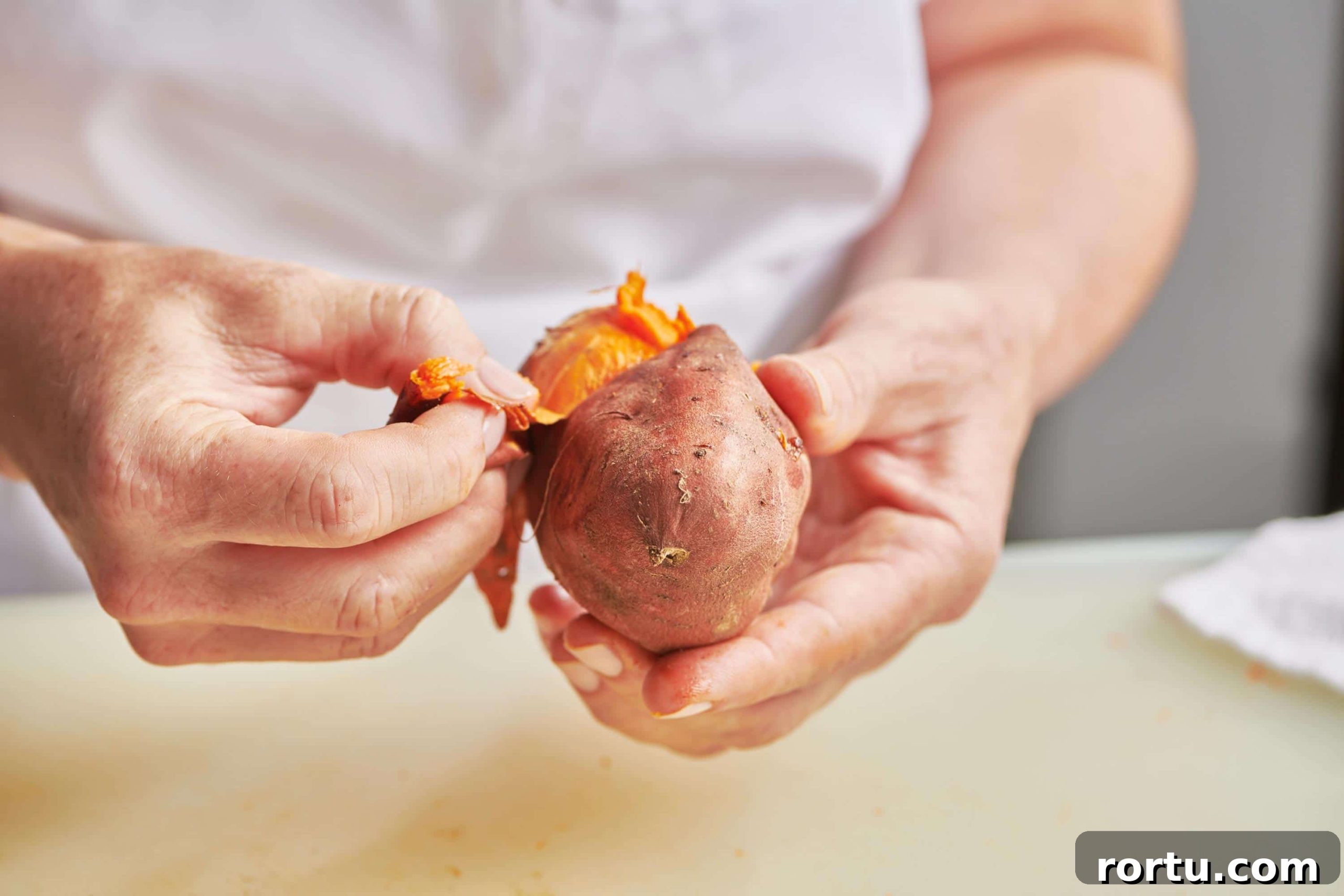
Always wash sweet potatoes before cooking, but avoid washing them before storage to prevent spoilage. You can leave the skin on or peel it, depending on the recipe. Sweet potatoes can be sliced, diced, julienned, cubed, roasted, sautéed, steamed, boiled, fried, mashed, or pureed for soups and pies.
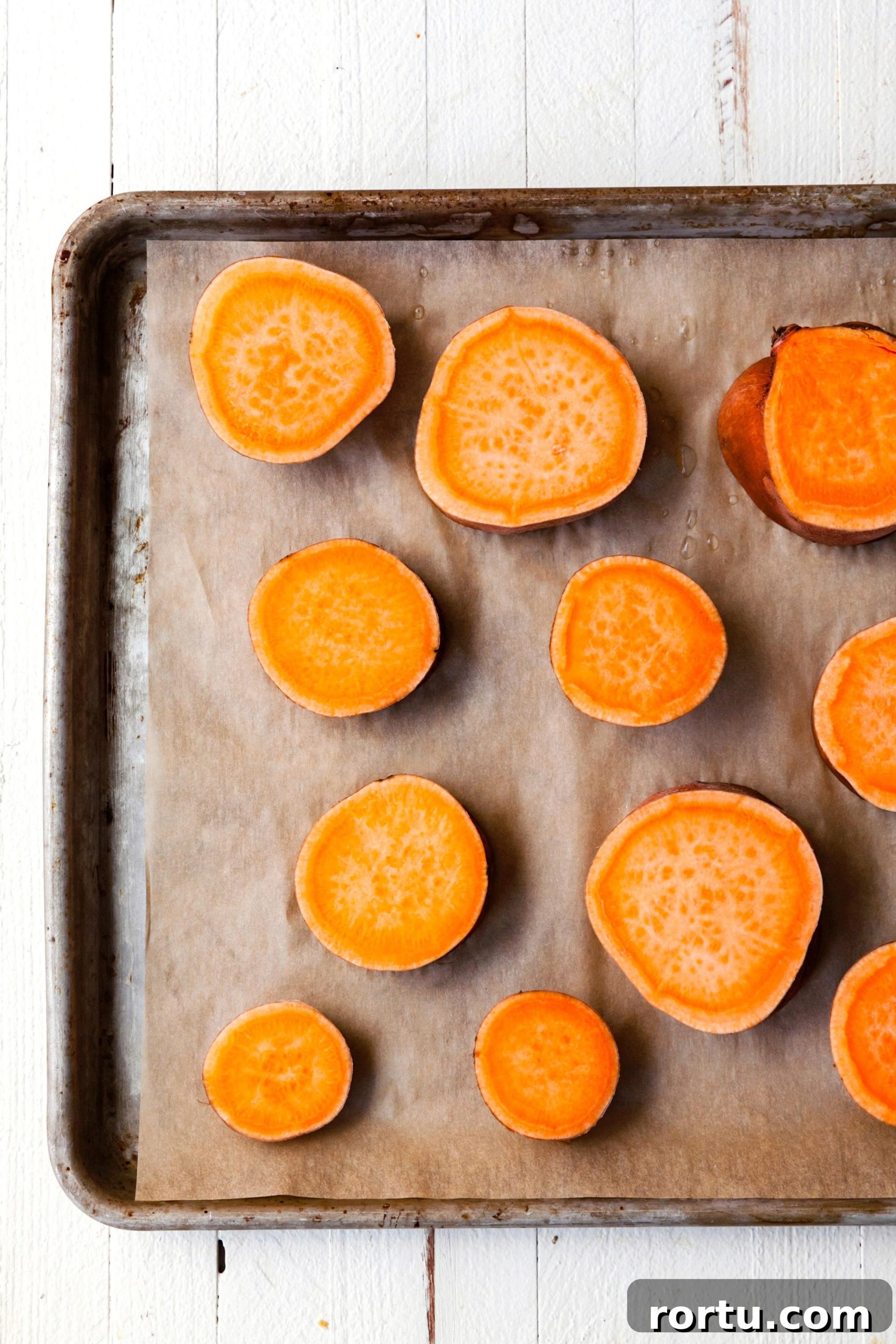
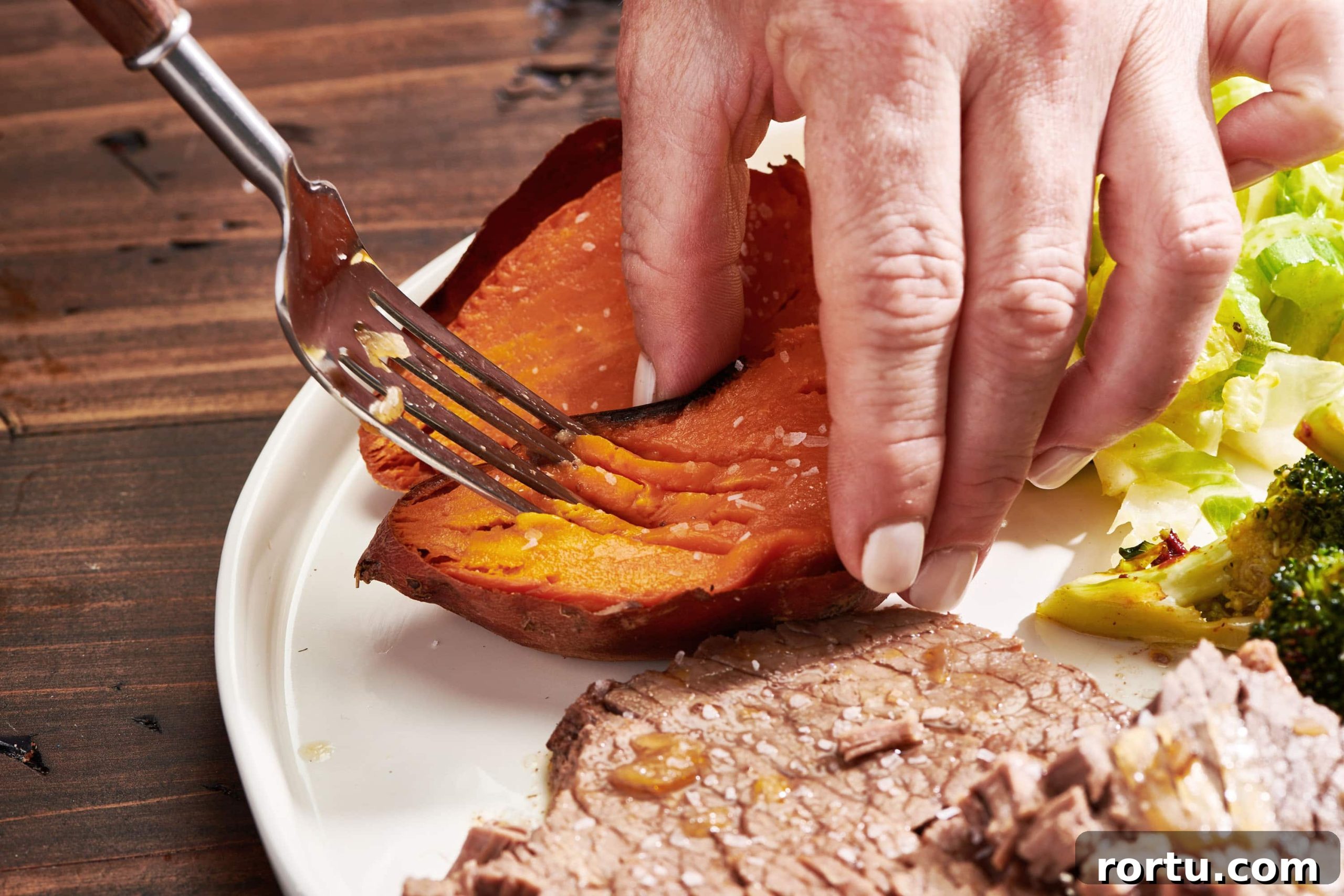
Baking and roasting are among the best methods for developing sweetness and a creamy interior. Whole baked or roasted sweet potatoes need only a few pricks with a fork and a stint in the oven. Cut into wedges or cubes they roast beautifully alongside other vegetables. Julienned and baked or fried, they make a great alternative to French fries. Boiled and mashed, they make flavorful mashed potatoes or form the base for pies and gratins.
Use thick slices as a base for toppings, or thin slices in gratins. Sweet potato pie and casseroles are classic preparations that showcase the tuber’s natural sweetness.
How to Store Sweet Potatoes
Store raw sweet potatoes in a cool, dry, dark place—unwashed—to keep them for several weeks. Avoid refrigeration and direct sunlight. Once cut, keep them in an airtight container in the refrigerator for a few days or freeze portions for longer storage.
12 Sweet Potato Recipes
Here are a dozen ideas that highlight sweet potatoes in different ways.

Smashed Sweet Potatoes with Feta
View Recipe

Scalloped Sweet Potatoes
View Recipe

Garlic Mashed Sweet Potatoes
View Recipe

Crispy Baked Sweet Potato Fries
View Recipe

Sweet Potato Spoon Bread
View Recipe
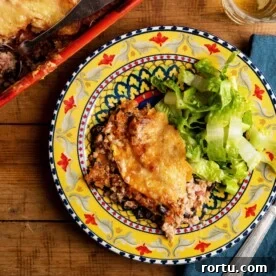
Bulgur Wheat, Sweet Potato, and Black Bean Casserole
View Recipe
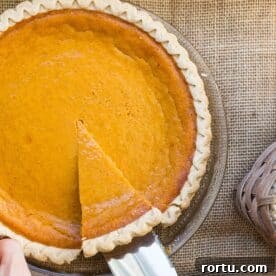
Sweet Potato Pie with Whipped Cream
View Recipe
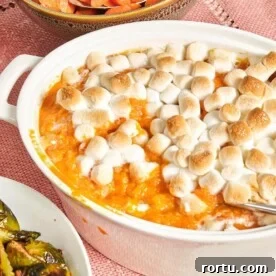
Old-Fashioned Sweet Potato Casserole with Marshmallows
View Recipe
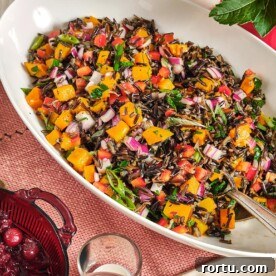
Wild Rice and Sweet Potato Salad
View Recipe

Sweet Potato Casserole
View Recipe

Candied Sweet Potatoes
View Recipe
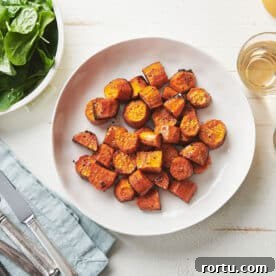
Simple Roasted Sweet Potatoes
View Recipe
Baked Sweet Potatoes
A perfectly baked sweet potato is a comforting cold-weather side that requires minimal hands-on time. Rubbing the skin with olive oil before baking helps achieve extra-crispy skin; if you oil them, place a baking sheet on the rack below to catch any drips. After baking, season the skin and interior with salt and add butter, sour cream, or other toppings as you like. Smaller potatoes will bake more quickly, so reduce time accordingly.
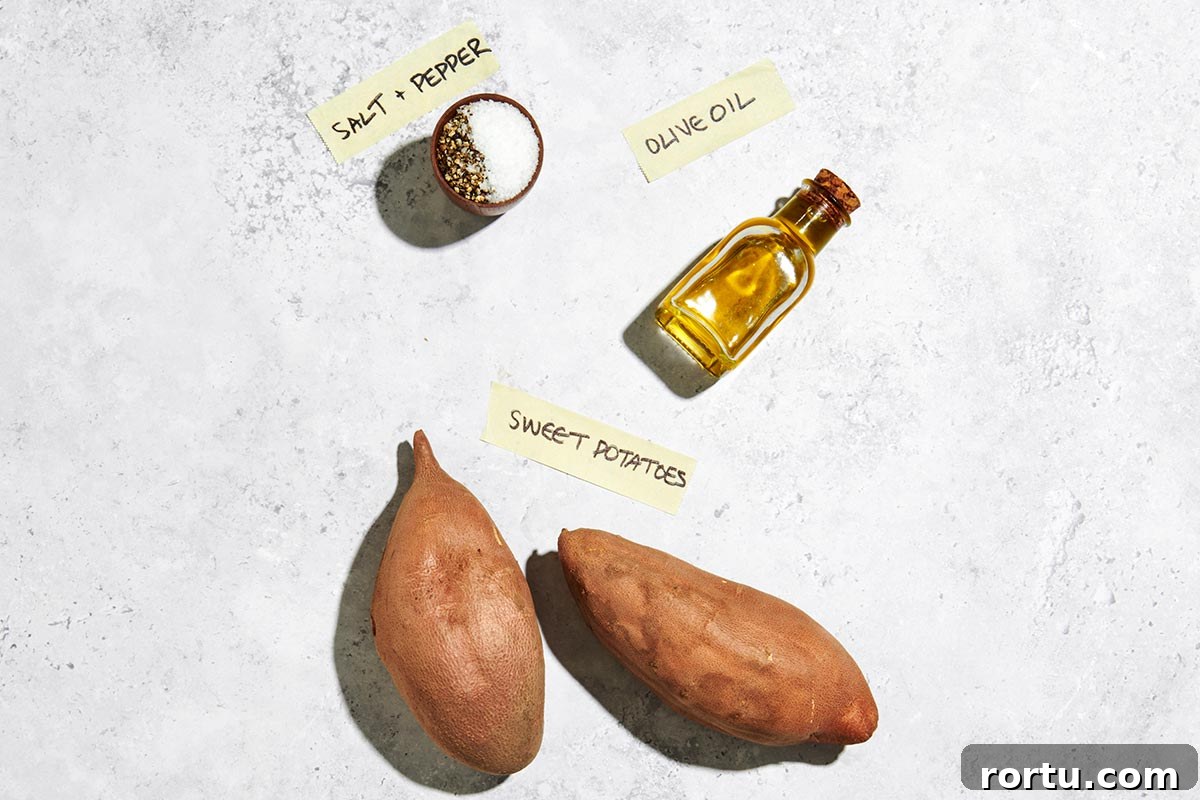
Season the skin and the inside with salt after baking, regardless of toppings. Smaller sweet potatoes need less time in the oven.
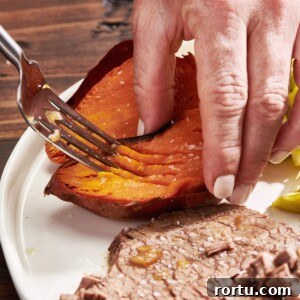
How to Bake Sweet Potatoes
Katie Workman
Ingredients
- 2 large sweet potatoes
- Olive oil (optional)
- Butter, sour cream, salt (optional; to serve)
Instructions
- Preheat the oven to 375°F. Scrub and dry the sweet potatoes. Trim any dark spots or “eyes” with a small knife. Pierce the potatoes several times with a fork or skewer. Brush with olive oil if you want crispier skin.
- Bake directly on the oven rack for 1 1/4 to 1 1/2 hours, until a thin knife slides easily into the center. If you oiled the potatoes, place a baking sheet on the rack below to catch drips.
- Let the potatoes cool a few minutes. Cut a slit down the middle, squeeze to open, and fluff the flesh with a fork.
- Top as desired with butter, sour cream, salt, or other favorite toppings.
Notes
- Always season the skin and the inside with salt after baking for best flavor.
- If you rub the potatoes with olive oil, put a baking sheet on the rack beneath to catch any drips.