
My husband has a serious man crush on Patrick O’Shaughnessy, so we often listen to his podcast, Invest Like The Best, on road trips. It usually lulls me to sleep, but some episodes really stand out. I especially enjoyed the conversations with Dr. Peter Attia and, most of all, with tracker Boyd Varty. Varty grew up on the Londolozi reserve in South Africa and now leads safaris that blend adventure with life coaching.
Boyd Varty is a compelling storyteller. His accent is charming, but what captured me was his perspective on life—shaped by near-death encounters with a black mamba, malaria, and countless African bees. Listening to him made me realize I was becoming a tracker in my own life. Varty describes a tracker as someone who ventures into uncharted territory: a process of taking yourself into the infinite.
“Why Zebras Don’t Get Ulcers”
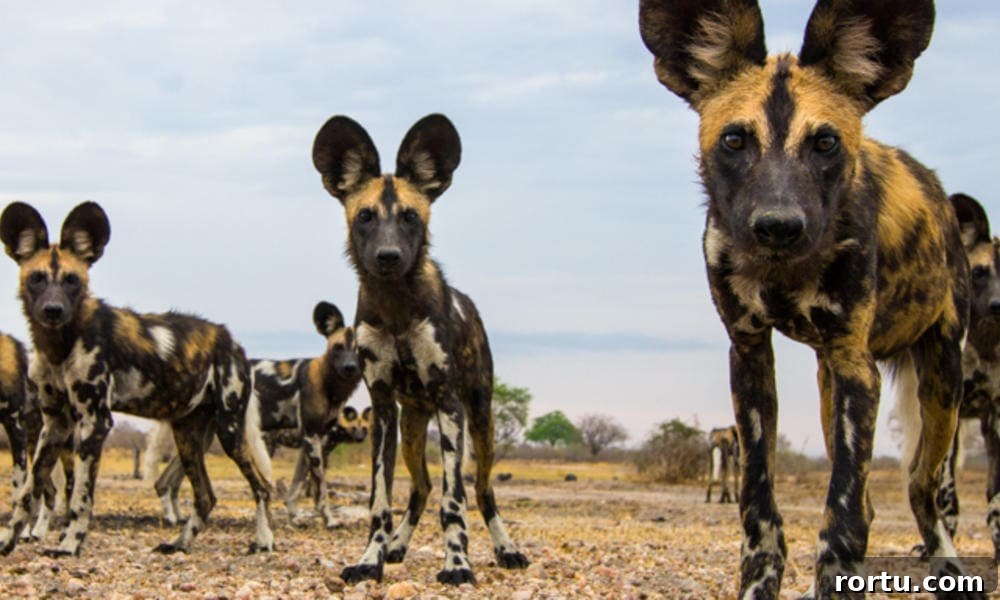
The episode opens with Varty and O’Shaughnessy recounting a time tracking African wild dogs. I had a comical mental image of my golden retriever chasing a hippo, but the reality is striking. These dogs alternate between deep sleep, playful greetings, and intense hunting. They don’t worry about the future; they meet immediate needs as they arise. That ability to live in the present is central to avoiding chronic stress.
Varty references the book Why Zebras Don’t Get Ulcers, which sums up this idea: let go of rigid roles and expectations and align more closely with nature’s rhythms. That message hit home. Months before my chronic illness began I developed an ulcer from persistent low-level stress at work. I lay awake worrying about tomorrow, next week, and the months ahead. Zebras, by contrast, don’t ruminate. They use fight-or-flight only when needed; otherwise they rest. If stress is constant, you drain the very reserves you need in a crisis. There must be time to rest and time to be alert.
Social Self vs. The Wild Self
Varty encourages distinguishing between our Social Self and our Wild Self. The Social Self is the label others assign or the role we feel we should play. Mine was shaped early on: teachers thought I should be a psychologist after a successful behavioral science project, while I secretly wanted fashion. I moved to New York to pursue that dream, later relocated to the South, and found what seemed like the perfect job with a major watch brand. I climbed the ladder, worked for a brand I loved, and kept hoping the next promotion would deliver fulfillment. It never came. Instead, I got very sick.
My Wild Self revealed itself more clearly through illness: helping others find treatments and answers, supporting new friends through hard times, and offering hope. That purpose emerged naturally through this site and my work with VEDA. One day of kind messages from readers gives me more fulfillment than any promotion ever did. Varty says the Wild Self won’t let you be what you are not.
It’s easy to adopt labels like “sick” or “disabled,” but those aren’t the totality of who we are. Have you found what truly fulfills you?
How Do You Discover Your Wild Self?
Discovery often follows a catalyst—a death, an illness, or a sudden invitation into life’s wilderness. My catalyst was illness and the way my workplace responded: reassigned to a busy walkway, separated from my team, and left unsupported. I felt pushed out and deeply alone. Fashion had been my identity and now I had to let it go.
That unknown period was terrifying. What would I do next? I focused on stillness: prioritizing health appointments and vestibular therapy, filling afternoons with an adult coloring book, and immersing myself in research on vestibular migraine. The scarcity of clear, upbeat information inspired me. Why couldn’t there be a welcoming place with light at the end of the tunnel? That spark became my next track.
Varty suggests modern life requires about three days to break free from routine and begin deeper inner work. For some people simple practices—meditation, fishing, weaving—create space for reflection. For me it took longer; I needed about a month to give myself permission to be still. As Varty says, you must “give yourself space and time in your unknown.”
Shifting the Hive
Varty’s story of wild African bees illustrates how a single individual can shift an entire group. One sting and hundreds follow. If you feel your efforts don’t matter, remember how one small action can change the whole hive. When I get discouraged that few people notice vestibular disorders or my writing, I think of that rogue bee and keep going.
Living on Your Purpose Gives You the Feeling of Being “Enough”
Finding purpose helped me climb out of depression. Helping others brings a joy that no corporate achievement ever did. Financially, this work hasn’t matched my old salary—I’ve run at a deficit and I don’t know exactly where it will lead—but I’m proud of the progress and the impact. Not everyone can quit a job to pursue purpose, and money often appears as a barrier. The podcast challenged that by asking: if money were no object, what would you want more of? That question points you to purpose and how to make space for it in your life.
Please consider supporting vestibular disorder awareness by volunteering time or donating to local efforts focused on education and outreach. Small actions accumulate and change the conversation.
If this post resonates, I recommend listening to Boyd Varty’s episodes with Patrick O’Shaughnessy. They inspire the belief that you can redefine your life—though starting a bee farm might still be optional.
Zebra image credit: Karen Van Damme