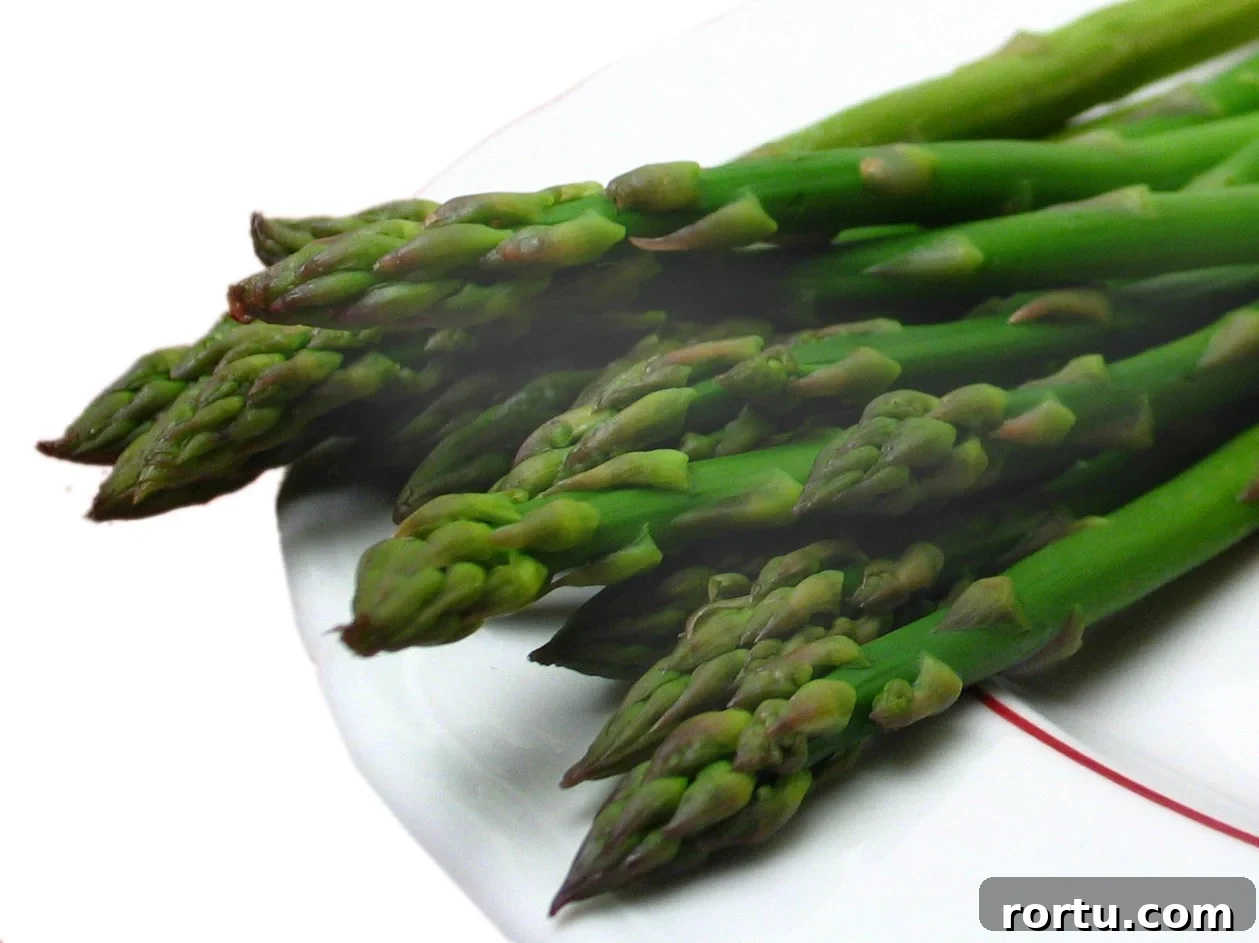
Many people think their urine does not change scent after eating asparagus, but research shows most individuals do produce odoriferous compounds following consumption. The variation lies not in the production of these compounds but in the ability to detect them: only a subset of people carry the autosomal genes that allow them to perceive the distinctive asparagus-related odor in urine.
This phenomenon results from two separate factors. First, asparagus contains sulfur-containing molecules that are metabolized and excreted in urine, creating a characteristic smell. Second, the capacity to detect that smell is genetically determined. Studies indicate that while the metabolic process creating the odor is common, the sensory perception depends on specific genetic variants—so someone may produce the odorous compounds yet remain unaware because they lack the necessary olfactory genes.
Genetic research has identified differences in olfactory receptor genes that correlate with the ability to smell asparagus metabolites. These receptors vary among individuals, explaining why some people and even some family members notice the smell while others do not. The trait appears to be autosomal, meaning it is not linked to sex chromosomes and can be inherited from either parent.
The experience is harmless: detecting or not detecting the odor has no known health implications. It is simply an interesting example of how genetics influence everyday sensory experiences. Food, metabolism, and smell interact in complex ways, and asparagus urine is a clear, well-studied illustration of that interplay.
For more detailed information on this topic, consult reputable sources on asparagus and human olfaction.