I spent a day (starting at the unpleasant hour of 3:30 a.m.) with pitboss Lance Kirkpatrick to see what it takes to produce classic Central Texas–style barbecue for the masses.
Texas barbecue. The phrase alone summons visions of long steel pits fed by oak fires, seasoned pitbosses streaked with smoke and ash, and briskets with dark, crackling crusts that give way to tender meat and vivid smoke rings.
People travel from around the world to taste the Holy Trinity—brisket, pork ribs and sausage—and they’ll happily line up for hours at places that manage to be both modern and legendary. The barbecue landscape is vast and varied: there’s more mediocre barbecue than great, and cooking methods range from rustic, hands-on approaches to automated, commercial systems. This story isn’t about ovens disguised as smokers; it’s about the craft of barbecue and the people who dedicate themselves to it. In this case, it’s Lance Kirkpatrick of Stiles Switch BBQ in Austin, Texas.
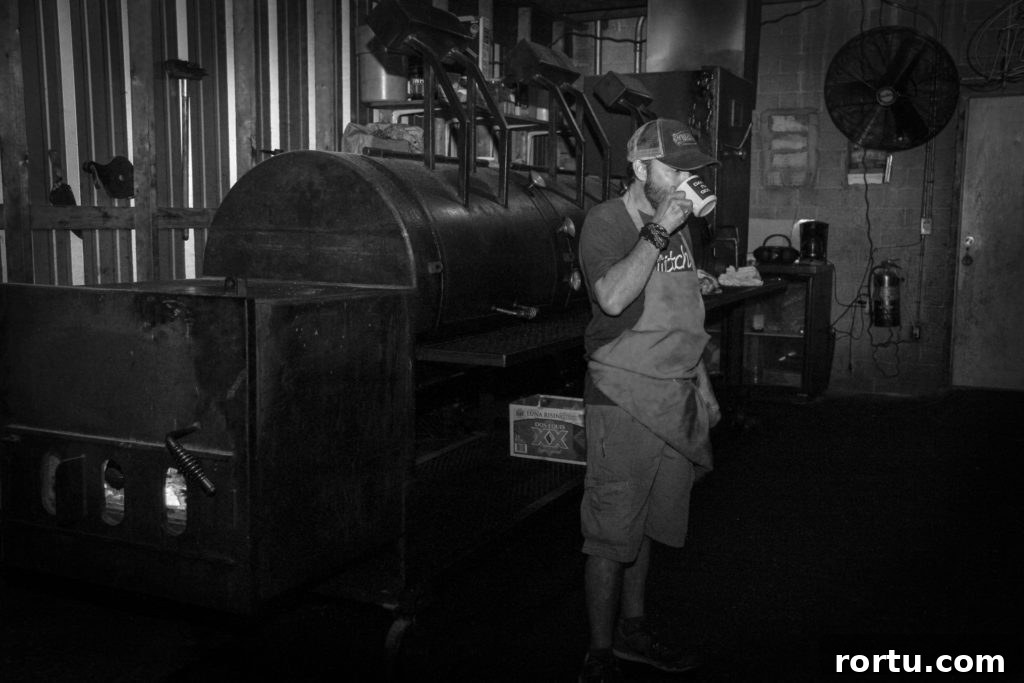
I’ve known Lance for several years. He’s humble, good-natured and unassuming, with a warm smile and a quiet confidence that belies his skill. A trained chef, he was drawn into barbecue after answering an ad placed by Bobby Mueller of Louie Mueller Barbecue. Lance worked at Louie Mueller for eight years, and that training still informs everything he does. “Bobby is the barbecue voice in my head,” Kirkpatrick says. “Watch the fire. Watch the meat,” he repeats in a gruff imitation of Mueller. Bobby only called himself a “pitboss,” a term Lance prefers over the loftier “pitmaster.”
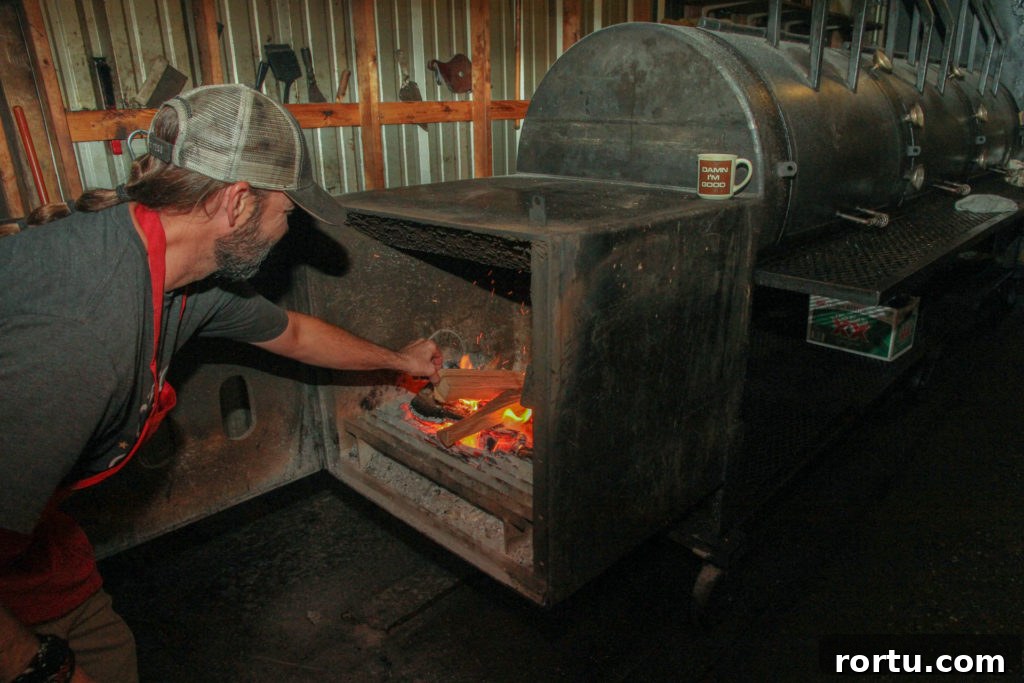
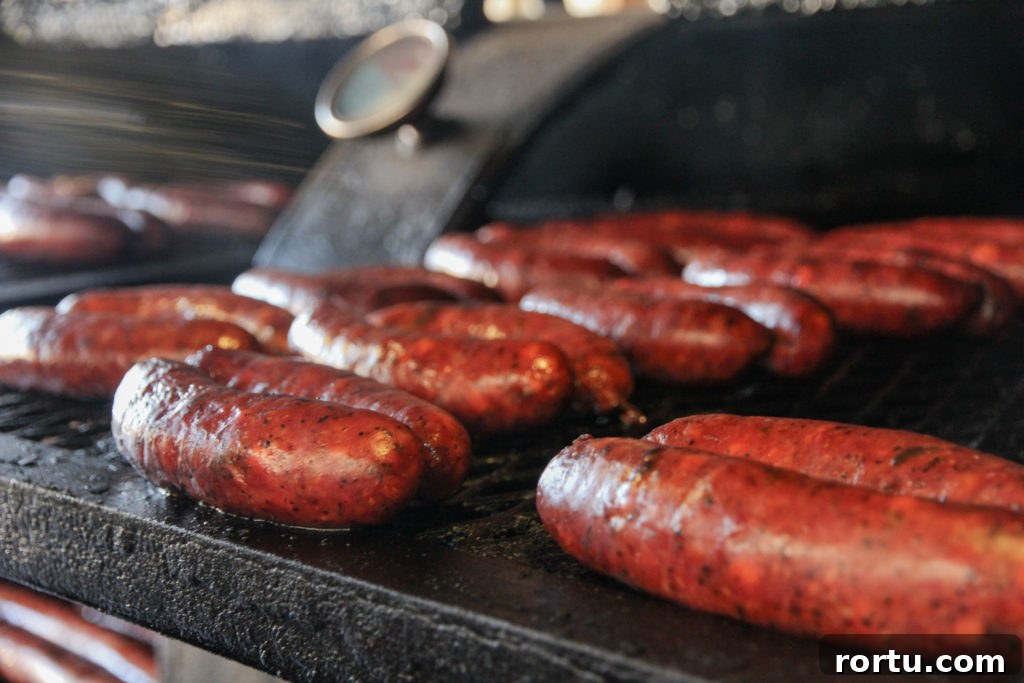
Stiles Switch operates six days a week, serving lunch and dinner—no small feat for a barbecue joint. Selling out at lunch can make you look like a hero; guaranteeing enough food to feed customers all day is a far harder task. Stiles Switch offers a wide range of meats: brisket, pork ribs, pork loin, beef ribs, turkey, chicken and three kinds of sausage, plus rotating specials like the Notorious R.I.B.—a monster beef rib plate over tater tots with smoked sausage queso. As Kirkpatrick puts it, “we cook a small farm.”
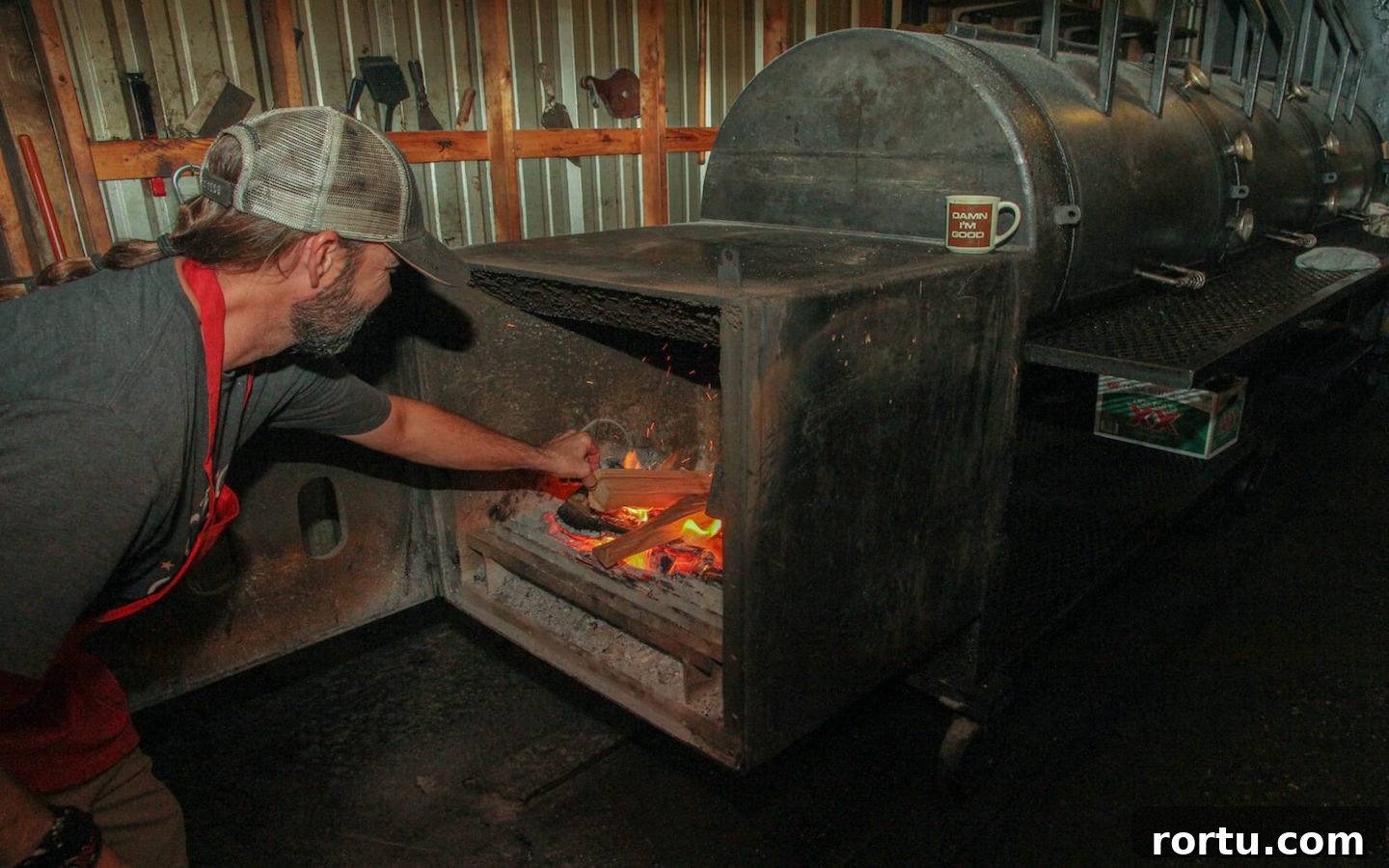
The pits are kept lit from Monday through mid-afternoon Sunday—nearly a full week of continuous fire. That requires roughly two cords of seasoned Texas post oak, more in winter when the heavy Klose pits need encouragement to reach steady temperature.
Smoking meat looks simple at a glance: light a fire, load the meat, wait. In reality it’s complex. Wind, weather, pit orientation, wood quality, meat variability, airflow and many other factors make traditional barbecue a strict test of skill. By “traditional” I mean cooking without gas, electricity, thermostats or automation—hands-on temperature and fire management.
Kirkpatrick starts his shift at 3 a.m., working alongside the night cook Andy for a few hours before taking over alone until the first kitchen staff arrive after 7 a.m. Coffee is essential and is kept warm on the firebox. A whiteboard lists the day’s targets: owner Shane Stiles calculates quantities—on a typical Thursday they might cook 45 briskets, 32 pork rib racks, 20 beef ribs, and over 100 sausage links, plus the other menu items.
Barbecue is unforgiving. Long cook times mean there are no quick retries. Each protein must go in at the right time; if you miss that window, you can’t simply remake what’s burned or dried out. With multiple meats and four smokers running at one overall temperature, balancing space and temperature zones becomes a hybrid of chess and Tetris. Frequent door openings to check progress leak heat, so it takes an experienced hand to maintain steady fire and consistent temperatures.
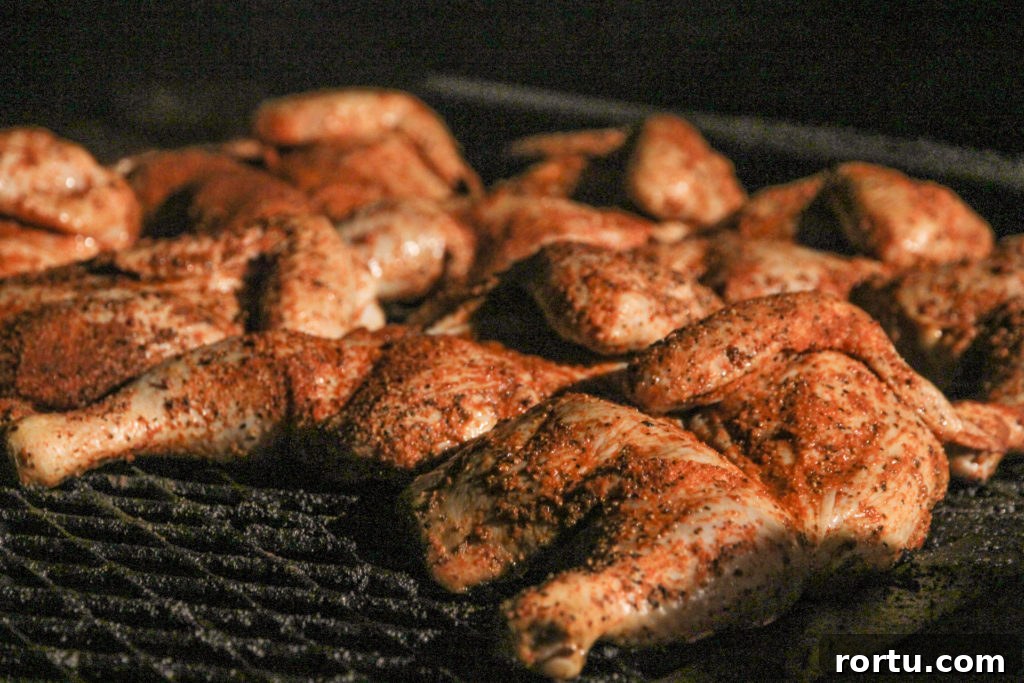
Every piece of meat sold at Stiles is closely monitored. Each animal—and therefore each cut—is different and needs individual attention. “When we say ‘craft style BBQ,’ we mean paying attention to each piece of meat, where and when it needs to be moved,” Kirkpatrick explains. “Chicken alone needs to be moved three times before you even think of taking it off the pit.”
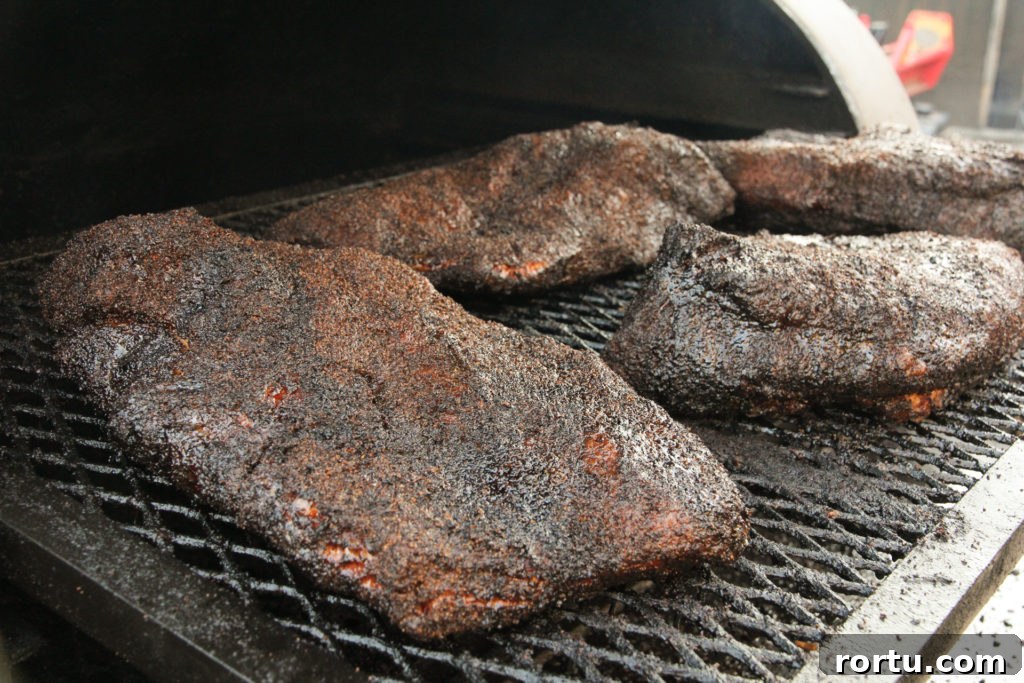
Andy seasons and starts the meats during the night shift. Brisket is king at Stiles—both in demand and in pit space. Kirkpatrick trims briskets to around 10 pounds and seasons them with a 5:1 coarse black pepper to salt ratio. Despite their size, briskets can lose up to half their weight during the cook, which, combined with the labor and time involved, explains the premium price.
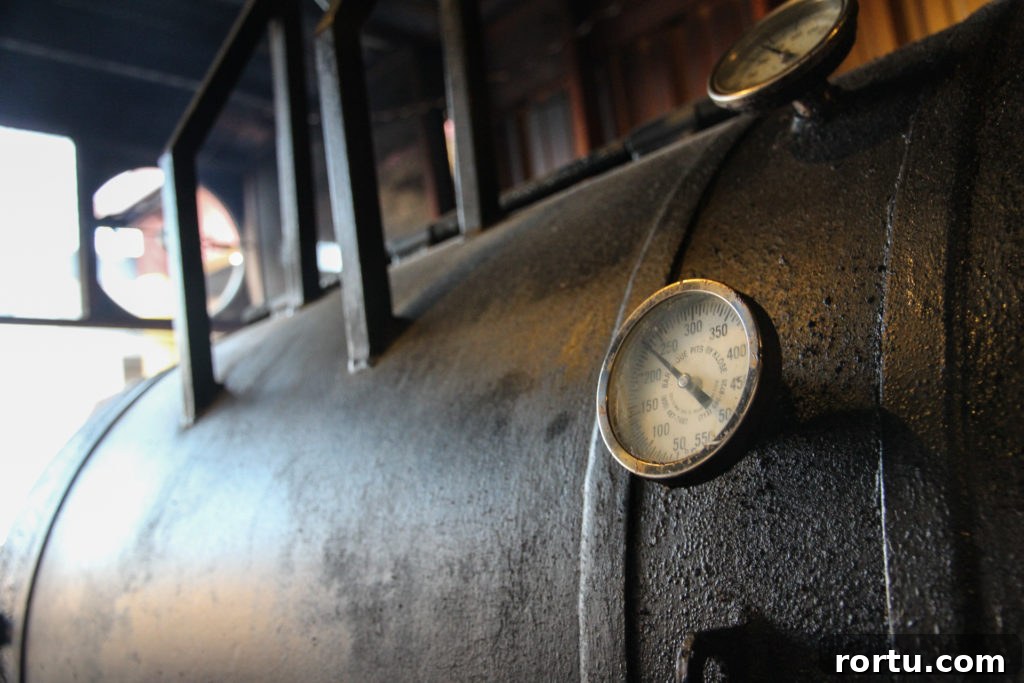
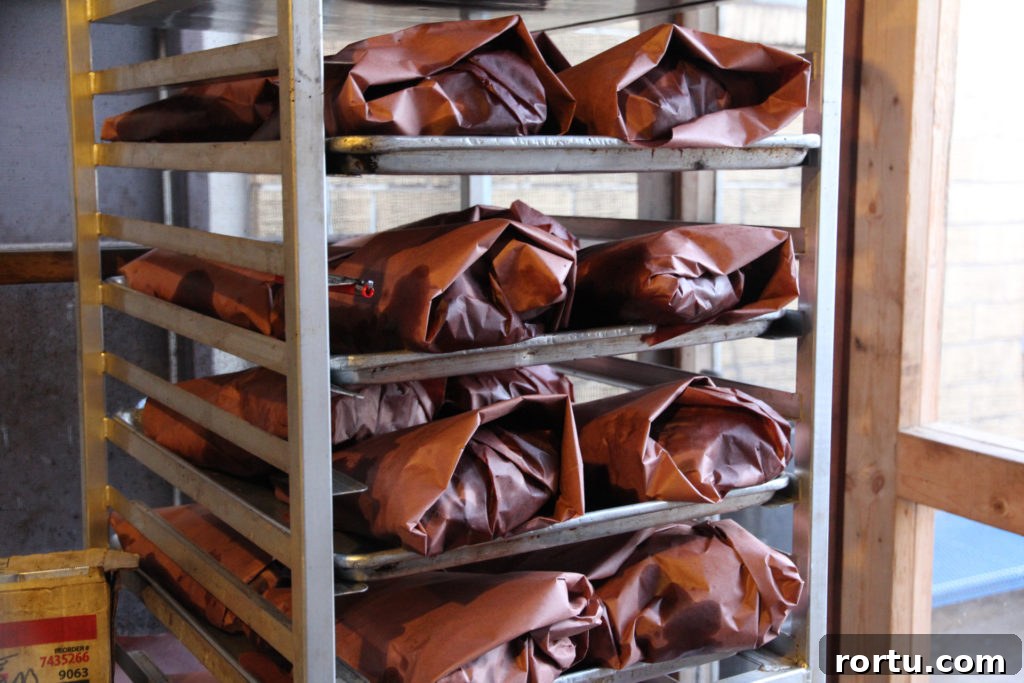
Kirkpatrick moves constantly among the smokers, tending fires, adding logs, watching gauges and checking meat. By the time he finishes one smoker, another is due for inspection. Around 5:30 a.m. the first meats begin to come off the pit and move into a resting phase. Cooked items are wrapped—often in peach butcher paper—and set on speed racks to cool to the correct temperature before heading to the cutting block. Proper rest means moving meat away from heat, not merely tucking it into a cooler pit or a box.
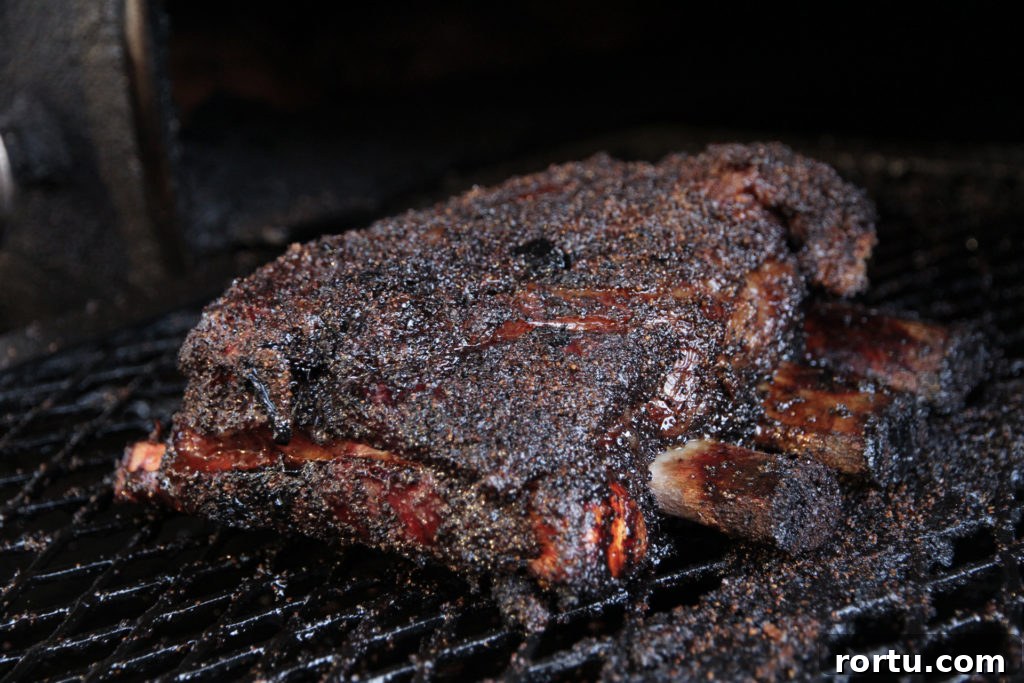
At one pit the beef ribs hiss as rendered fat collects in the bark’s crevices. “You can actually hear them cooking,” I remarked. “Yeah, the beef ribs sing to you sometimes,” Kirkpatrick chuckled.
As dawn breaks, kitchen cook Juancho arrives to prepare five side dishes and three desserts. Their corn casserole—an old family recipe—is a standout, its sweet creaminess cutting through the richness of the meats in the best possible way.
I asked if Lance ever considers the sheer volume of meat that passes through the pits each week. “Oh yeah!” he said. “We go through about 325 briskets a week—so that’s like 160 cows. It’s a lot.”
He talks about the meats like children he’s learned to care for over the years. Turkey and beef ribs need relatively little attention, briskets require steady monitoring, and pork ribs are high-maintenance—once you turn a rack, you’ll likely turn it every 20 minutes until they’re done. The image of pit crews lounging and waiting is a myth; real barbecue demands continual movement and decisions.
With barbecue’s rising popularity, cooks like Kirkpatrick have stepped into the spotlight—appearing at festivals and competitions and even catering major events. The job is no longer invisible, but it remains physically demanding and exacting. “It’s not always easy to be the man,” he says with a grin, “but it’s pretty f‑n cool.”