Visiting Greece had long been on my bucket list. During my trip I learned a few practical things I wish I had known before arriving. The six tips below are personal observations and recommendations based on my experience with Greek culture, customs and everyday life. I don’t claim to be an expert on Greek etiquette, but these notes may help first-time visitors feel more comfortable and prepared.

1. Dress European
Greece is warm and relaxed, but locals tend to dress more polished than the typical beach-tourist look. Early in my trip I noticed people staring at my flip-flops and casual beachwear. In many parts of Europe, including Greece, flip-flops and overtly touristy accessories—large backpacks, wide straw hats, singlets and fanny packs—mark visitors. Switching to sneakers or loafers and tidy shorts or trousers made me feel less conspicuous and proved more practical for uneven streets and dusty archaeological sites where better grip and protection are helpful.
If you want to blend in, choose comfortable but neat shoes and simple, well-fitting clothes. You can still wear shorts in summer, but pairing them with a clean shirt and shoes goes a long way toward looking less touristy. This small change will save you confusion and help you feel more at ease while exploring.
2. Tipping
Tipping is appreciated in Greece. Wages can be low, and small extras matter to service staff. You’ll often see a tip jar near cashiers or on tour buses, and taxi drivers may expect a small tip. In restaurants, the bill is typically left on your table; sometimes it will explicitly note that tips are not included. A common guideline is 15–20% for good service, but if that’s tricky on a holiday budget, rounding up to the nearest 10 euro is an easy approach. Even a modest tip will be welcomed.
Tipping is not compulsory, and if you come from a country where tipping is uncommon, don’t worry. Be generous when you can, but don’t stress over it—small gestures of appreciation go a long way.
3. Toilets
In Greece it’s common practice not to flush toilet paper. Most restrooms—whether in hotels, restaurants or public places—provide a small bin next to the toilet for used paper. This is because some older sewage systems can struggle with paper waste. If you prefer not to use the bin provided, some travelers carry small plastic or ziplock bags to dispose of paper later. It can feel unusual at first, but it’s a normal and widely accepted routine. If you’re looking for a restroom, signs often display a large “WC” (water closet).
4. Learn Basic Greek
Many Greeks—especially in larger cities and tourist areas—speak English, but this becomes less common in smaller towns and rural areas. Greeks are proud of their language and culture, and locals appreciate when visitors learn a few basic phrases. A little effort goes a long way to show respect and friendliness. You can use translation apps to hear pronunciations, and locals are often happy to teach simple greetings and words.
Useful basics to learn include common greetings and polite phrases. Here are a few examples:
| English | Greek | Phonetic |
| Good Morning | Καλημέρα | ka-li-me-ra |
| Good Evening | Καλησπέρα | ka-li-spe-ra |
| Good Night | Καληνύχτα | ka-li-ni-hta |
| Hello or Goodbye | Γειά Σας | yia-sas |
| Yes | Ναι | ne |
| No | Όχι | o-hi |
| Thank you | Ευχαριστώ | ef-ha-ri-stoh |
| Sorry or Excuse me | Συγνώμη | sig-no-mii |
| Please or You’re welcome | Παρακαλώ | pa-ra-ka-loh |
5. Have Cash
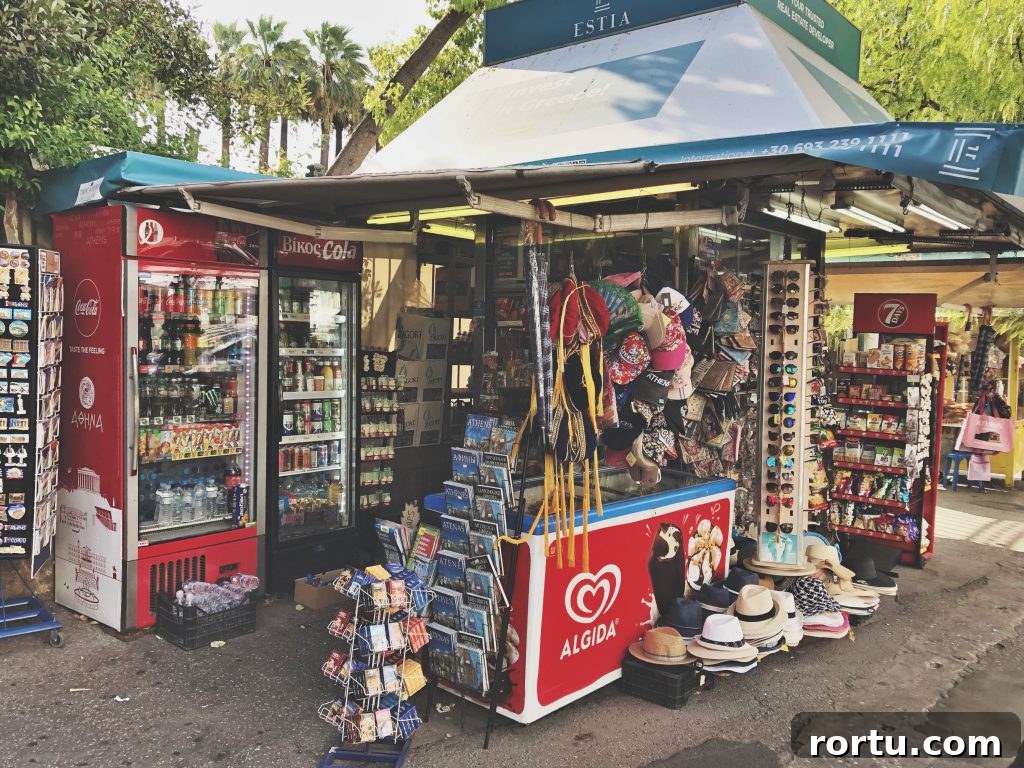
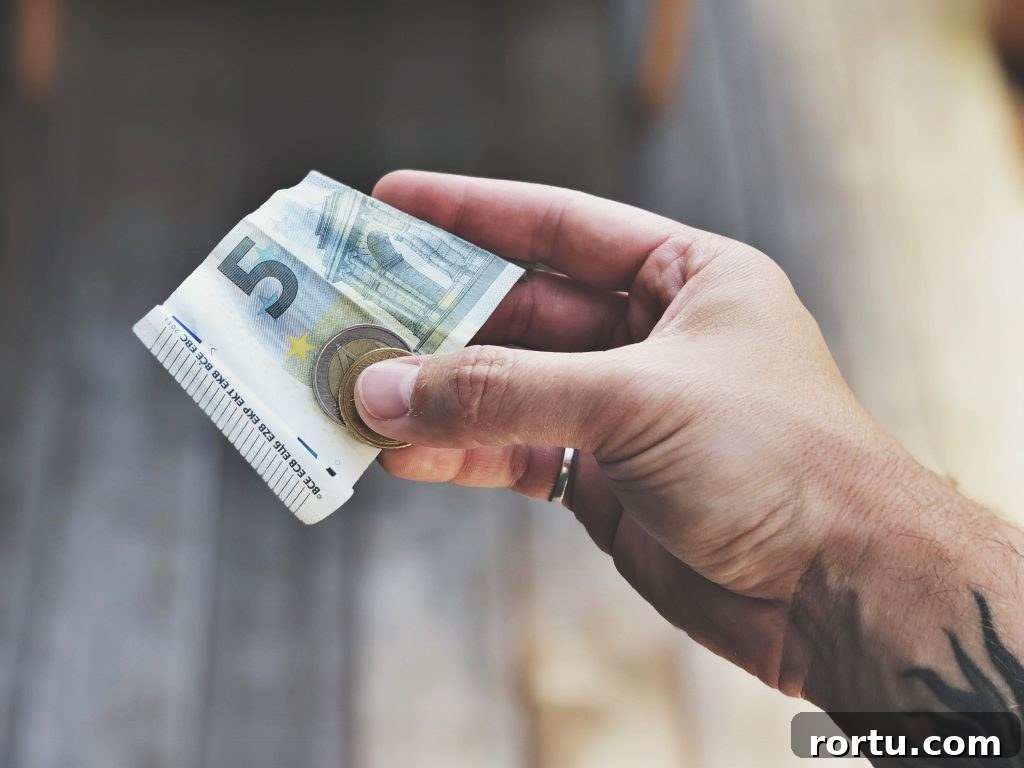
Cards are widely accepted, but having cash and small coins is very useful. Some shopkeepers have limited change available, and tourists paying with large euro notes can make small change scarce. Keeping coins for small purchases or to round up totals helps transactions go smoothly. Occasionally you can offer the storekeeper to keep the difference, but many will insist on returning your change—so it’s best to be prepared with smaller denominations.
6. Sit down — dining & the bill
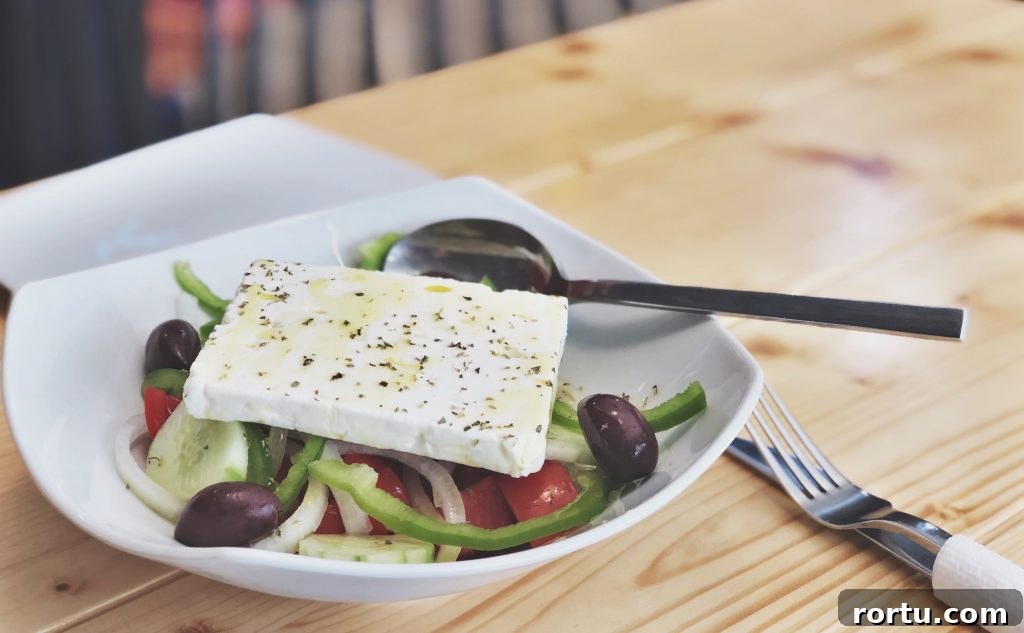
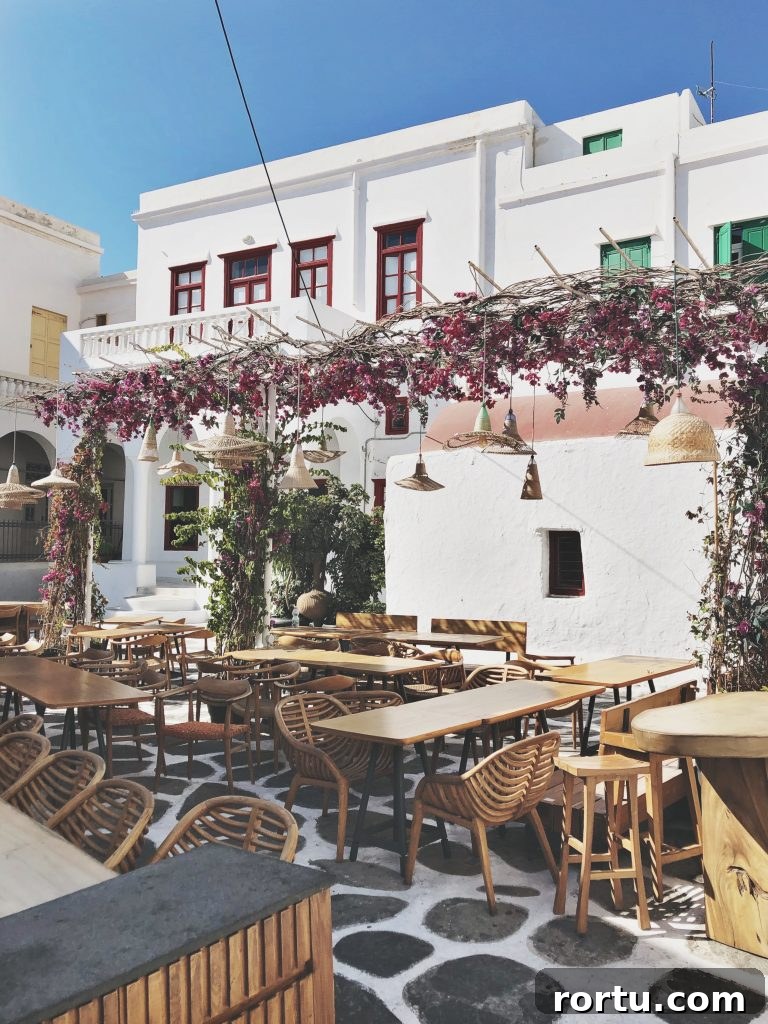
In many Greek restaurants and tavernas, customers choose their own table and wait to be served rather than being directed by staff. After you order, the bill is often placed on your table during or after the meal; if you order more items, additional charges may be added. When you’re finished, wait for staff to clear the plates and bring the bill. Paying at a counter is sometimes possible but not guaranteed. Staying seated until you are ready to leave also has a practical upside: many places offer a small complimentary finish—like a dessert, coffee or a digestif—so you may be invited to remain and enjoy the end of the meal. In short: find a seat, relax, enjoy your food, signal when you’re finished, pay and tip at the table, thank your server, and then leave when ready.
If you think I’ve missed any important tips about traveling in Greece, please let me know. Questions are welcome. Happy travels!
To see my own photo journal from the trip, follow the link provided in the original post.