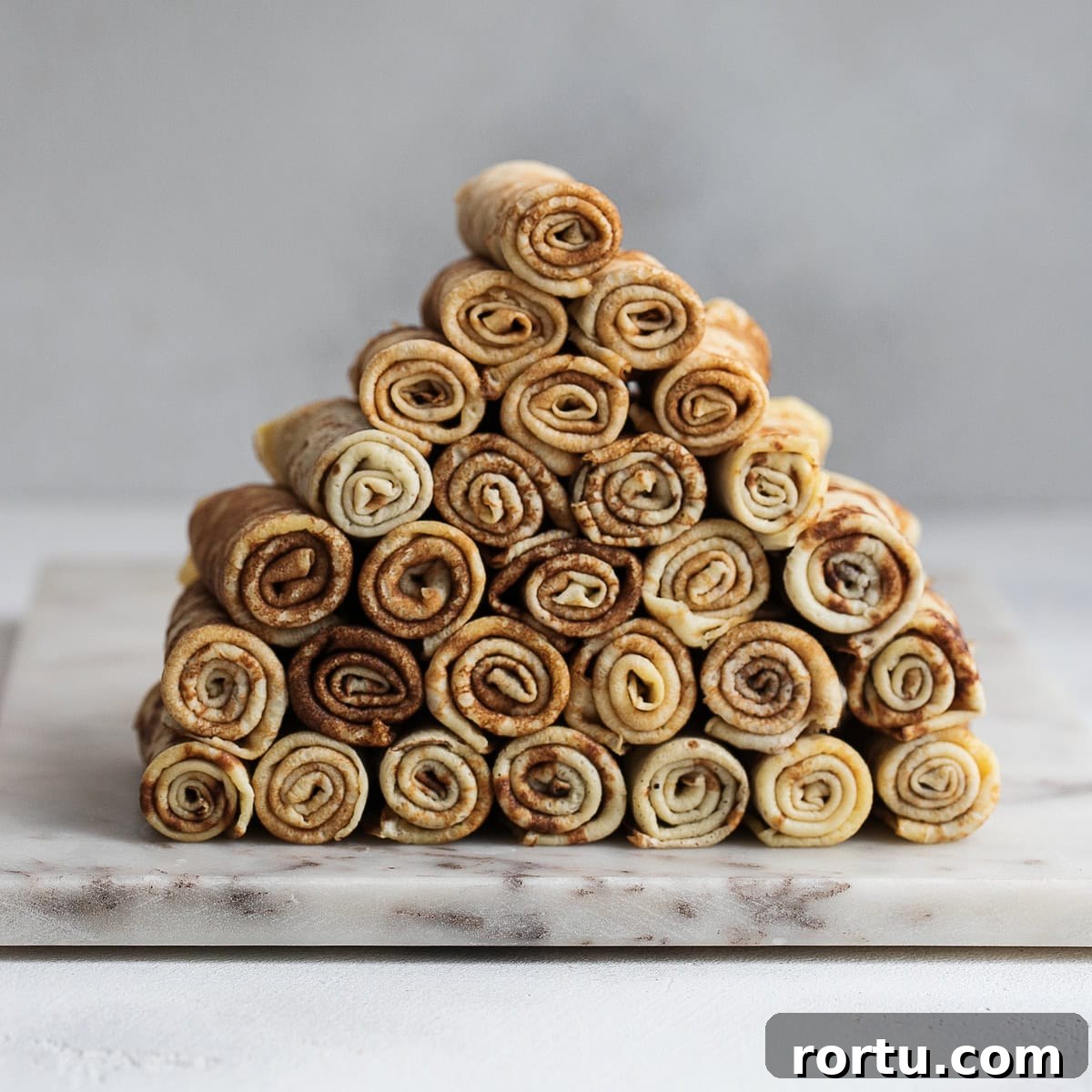
Learn how to make naleśniki, classic Polish crepes often referred to as Polish pancakes. These thin, tender crepes are made at home with simple ingredients and work beautifully with both sweet and savory fillings for breakfast, brunch, or dessert.
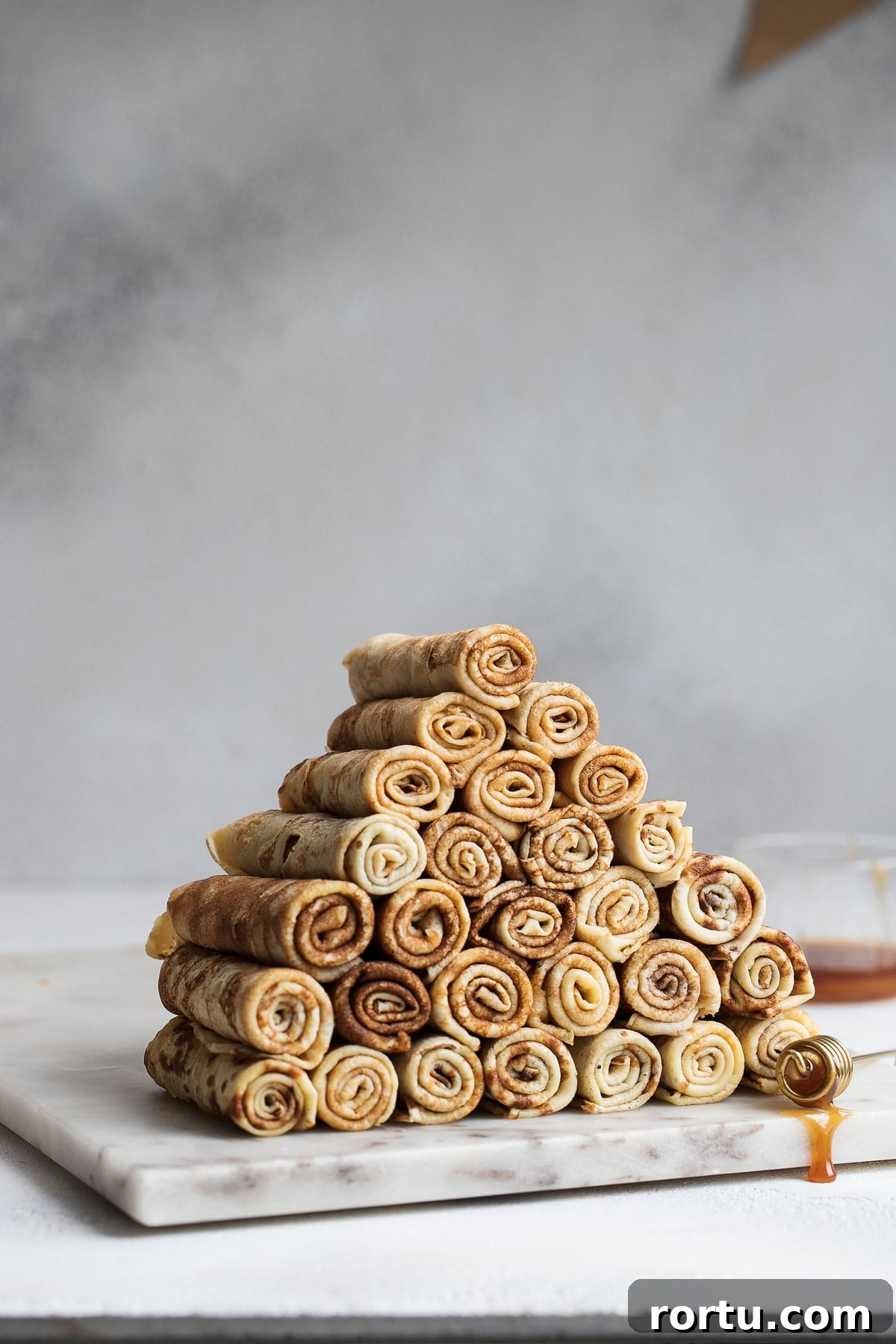
What are nalesniki?
Naleśniki (pronounced naleshneekey) are thin, delicate Polish crepes similar to blintzes or palacsinta. They are traditionally served with a range of sweet or savory fillings and are enjoyed across Poland for breakfast, brunch, and dessert. Modern preparations usually use whole eggs and sometimes sparkling water for extra lightness.
Nalesniki recipe
Naleśniki are Poland’s version of crepes: thin, versatile, and quick to make. The terms Polish crepes and Polish pancakes are often used interchangeably; both refer to naleśniki. Adding a little sparkling water to the batter gives the crepes a lighter, more delicate texture than standard pancakes.
Ingredients
For a quick overview of the main ingredients, see the recipe card below for exact amounts and measurements.
- Flour: All-purpose flour. If using measuring cups, spoon and level or sift after measuring.
- Sugar & flavoring: Vanilla sugar, granulated sugar, or a few drops of vanilla extract for sweet crepes; omit for savory versions.
- Salt: Just a pinch to enhance flavor.
- Eggs: Large eggs at room temperature.
- Milk: Whole milk gives the richest result, but low-fat or plant-based milks (almond, oat) are fine.
- Sparkling water: Optional but recommended for a lighter batter; plain water also works.
- Butter or oil: Melted butter makes the batter pliable and richer; vegetable or coconut oil can be substituted.
How to make nalesniki
Sift the flour into a large bowl, add a pinch of salt and optional vanilla sugar, and whisk to combine. Make a well in the center, add the eggs, then gradually whisk in the milk and sparkling water until the batter reaches a thin, heavy-cream consistency. Strain the batter through a fine-mesh sieve for extra smoothness, cover, and let it rest 30 minutes if time allows.
Pro tip: The batter should run off a spoon smoothly and coat the surface evenly—this indicates the right thickness.
Heat a crepe pan or nonstick skillet over medium-high heat. Stir the rested batter, pour a small ladleful into the center of the hot pan, then tilt and swirl the pan to spread the batter into a thin circle. Cook for 40–50 seconds until the edges begin to color, flip briefly to finish the second side, then transfer to a plate. Repeat with the remaining batter, stacking the cooked crepes and keeping them covered to retain warmth and moisture.
Expert Tips
- Use a blender for the batter if you prefer: blending for a minute or two yields a silky, lump-free mixture.
- Heat the pan properly before the first crepe. The first crepe often looks less even; subsequent crepes will cook more consistently once the pan is fully heated.
- If you want thicker crepes for dishes like krokiety (Polish croquettes), pour a touch more batter into the pan to make slightly thicker pancakes.
How to serve Polish naleśniki
Naleśniki are best enjoyed warm. Traditional Polish fillings include twaróg (a farmer’s or cottage-style cheese), which can be sweetened for desserts. These cheese-filled crepes are often called naleśniki z serem or compared to blintzes.
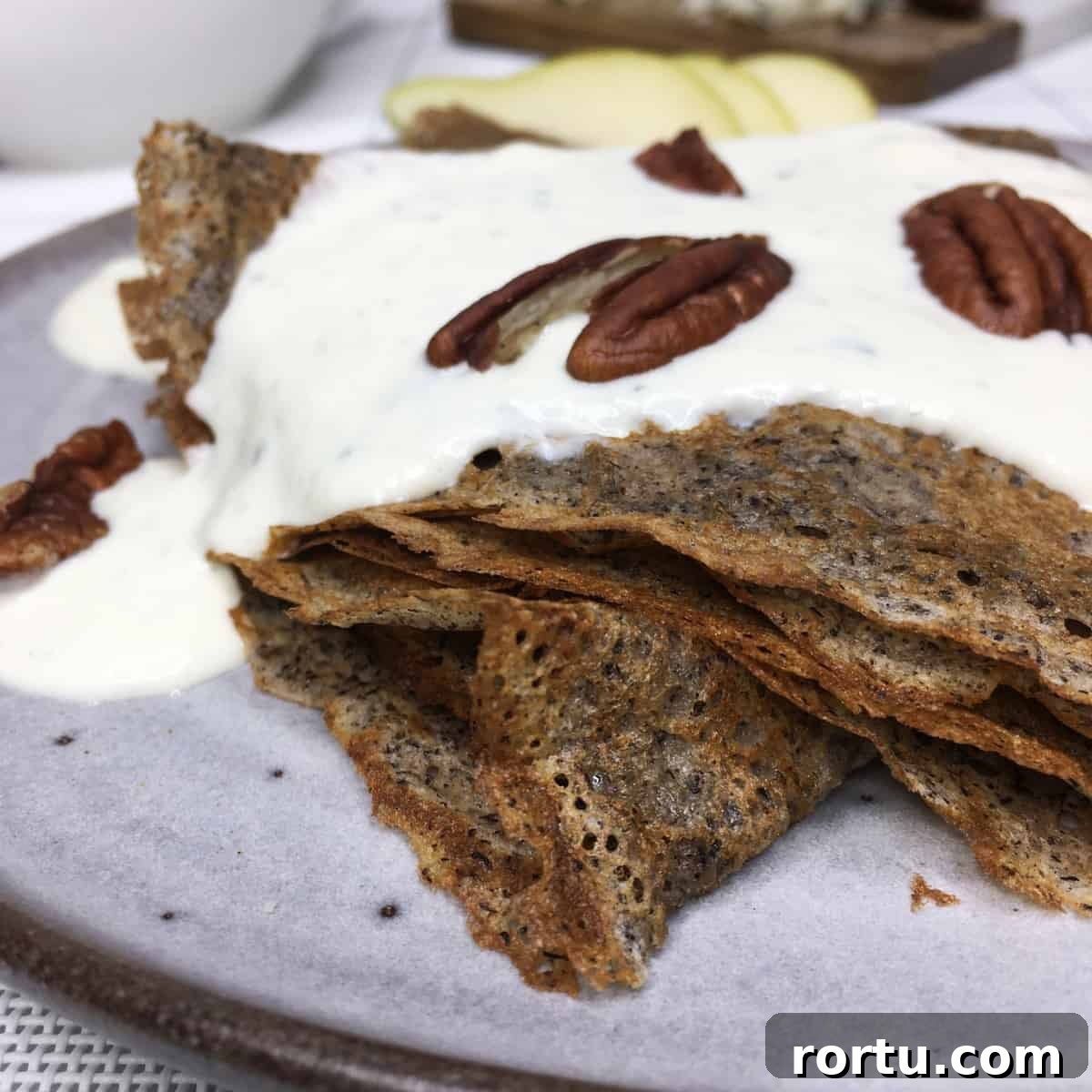
Sweet filling ideas: jam, fresh fruit, Nutella, sweetened condensed milk, whipped cream, applesauce, maple syrup, or a scoop of ice cream. Savory ideas: smoked salmon, ham, sautéed mushrooms, spinach, and feta. For a classic presentation, fold filled crepes into triangles (fold in half twice) and pan-fry briefly in butter or clarified butter until golden and crisped on the outside.
Storing and freezing
Refrigerate cooked crepes in an airtight container or wrapped with plastic wrap for 2–3 days. To freeze, separate individual crepes with parchment, wrap in plastic wrap, then foil, and freeze for up to 3 months. Filled crepes can be frozen individually for about 1 month.
Thaw overnight in the refrigerator, then gently reheat in a 355°F (180°C) oven for 5–10 minutes or in the microwave in short intervals until warmed through.
Love crepes or pancakes? Try these next!
 Basic Crêpes Recipe: Step-by-Step Guide for Perfect Crepes
-
French Crepes: The Ultimate Cooking Guide
-
Galette Bretonne (French Galette) Recipe
-
Vanilla Dutch Baby (Puffed Pancake)

Recipe card
Nalesniki (Polish Crepes)

Polish crepes (naleśniki) are thin, crepe-like pancakes made with a few basic ingredients. They are filled with farmer’s cheese, jam, fruit, or savory fillings and make an easy, elegant meal.
- Author: Irina Totterman
- Total Time: 45 minutes (plus resting time)
- Yield: 10
- Category: Crepes and Pancakes
- Method: Cooking
- Cuisine: Polish
Ingredients
For the batter:
- ¾ cup + 2 tablespoons (110 g) all-purpose flour
- 1 teaspoon vanilla sugar (optional)
- 1 pinch of salt
- 2 large eggs, room temperature
- ⅔ cup + 3 tablespoons (200 ml) whole milk
- ⅓ cup + 1½ tablespoons (100 ml) sparkling water
- 1½ tablespoon (25 g) unsalted butter, melted
*For conversions or alternative measurements, adjust quantities as needed.
Instructions
- Make the batter: Sift flour into a large mixing bowl, add salt and optional vanilla sugar, and whisk. Make a well in the center and add the eggs. Whisk while slowly adding milk and sparkling water until the batter is thin and smooth.
- Pass the batter through a fine-mesh sieve, cover, and let it rest for 30 minutes. If pressed for time, you can cook immediately.
- Heat a crepe pan over medium-high heat so it distributes heat evenly. Stir the batter, then pour a small ladleful into the center of the hot pan and tilt to spread.
- Cook about 40–50 seconds until the edges brown, flip with a flexible turner, and cook the second side briefly. The first crepe may be imperfect; subsequent crepes will be better once the pan is fully heated.
- Stack cooked crepes on a plate and cover to keep warm. Continue until all batter is used.
Notes
- Use a blender if you prefer a perfectly smooth batter: blend for a minute or two.
- Ensure the pan is well heated for even results; the first crepe often takes practice.
- Store cooked crepes in the refrigerator for 2–3 days, or freeze separated by parchment for longer storage.
Nutrition
- Serving Size: 1
- Calories: 158
- Sugar: 5 g
- Sodium: 203 mg
- Fat: 7.3 g
- Saturated Fat: 4.1 g
- Carbohydrates: 13.8 g
- Fiber: 0.7 g
- Protein: 8.9 g
- Cholesterol: 58 mg
The nutritional information is provided as a guideline and is intended for general informational purposes only.