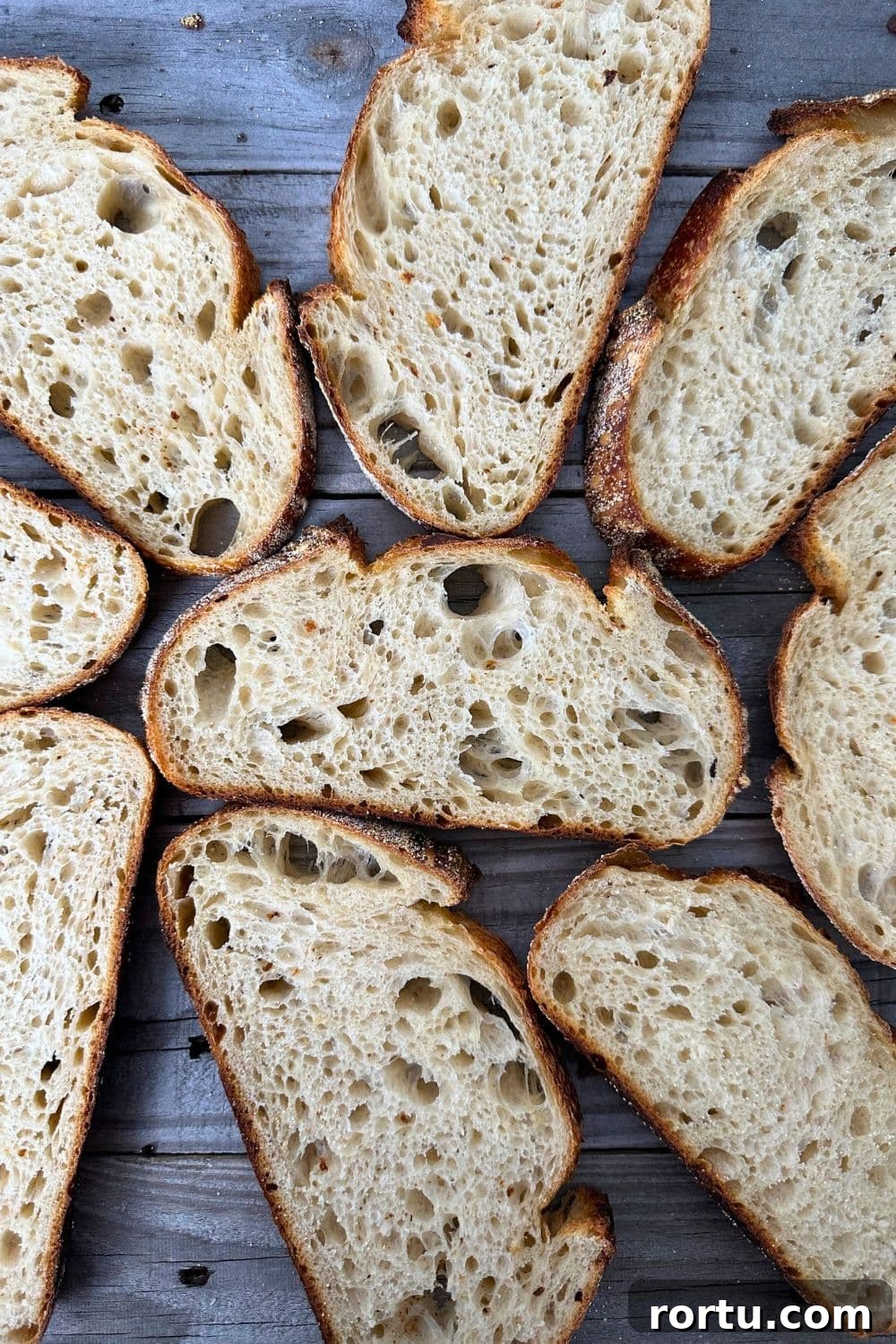
You may have heard of diastatic malt powder but aren’t sure what it does or how to use it. This guide explains how to use diastatic malt powder in sourdough to improve oven spring, deepen crust color, and enhance flavor.
Read on to learn the basics of this useful baking ingredient and practical tips for adding it to your sourdough process.
What Is Diastatic Malt Powder?
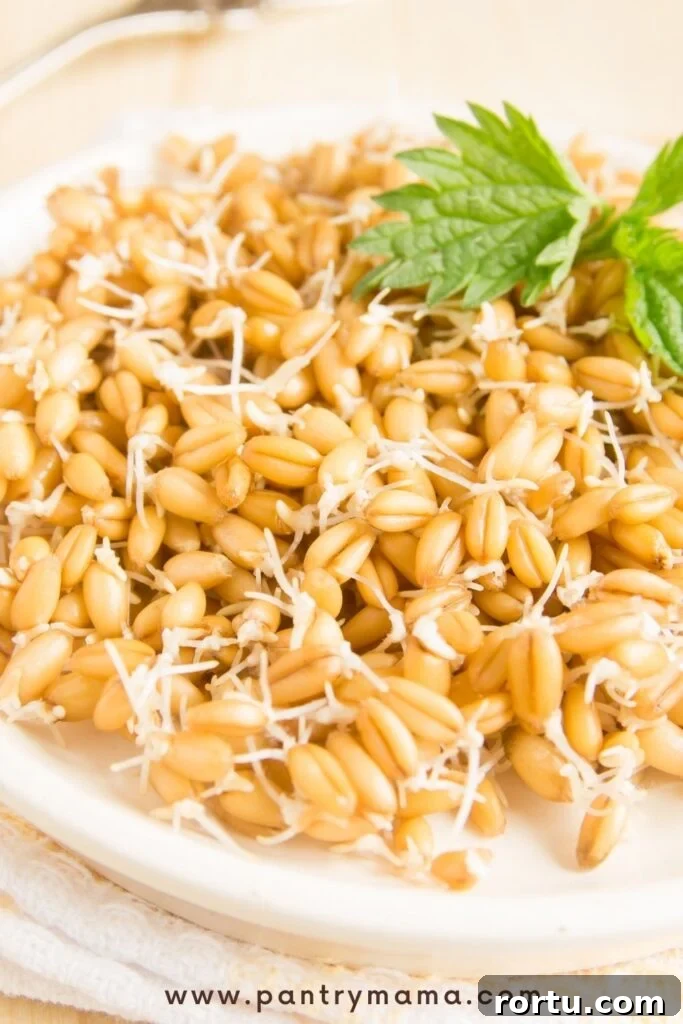
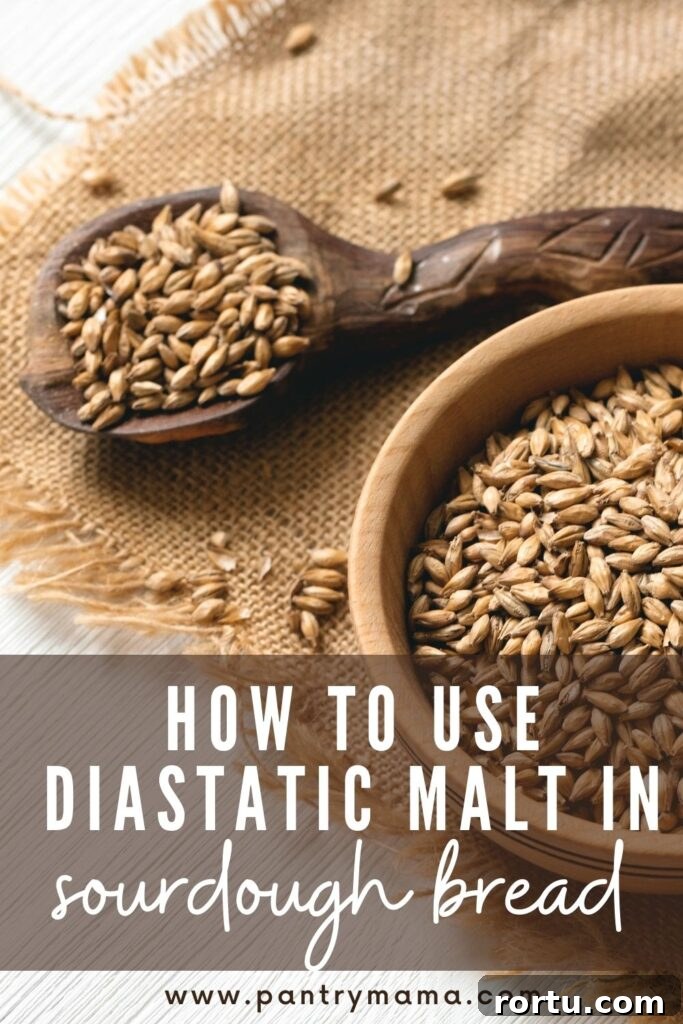
Diastatic malt powder is produced from sprouted wheat or barley that has been gently kilned to preserve active enzymes, primarily amylase. After drying, the sprouted grain is milled into a fine powder you can blend with flour.
Those enzymes help break down starches into simpler sugars, which improves yeast activity and supports a better rise. In many U.S. bread flours, millers already add diastatic malt. In other countries, such as Australia, commercial flours often lack it, so bakers add it themselves when making sourdough.
What Does Diastatic Malt Powder Do To Sourdough?
Diastatic malt powder contributes active enzymes that convert complex starches into fermentable sugars. This feeds the yeast and lactic acid bacteria in the starter more effectively, accelerating fermentation and strengthening oven spring.
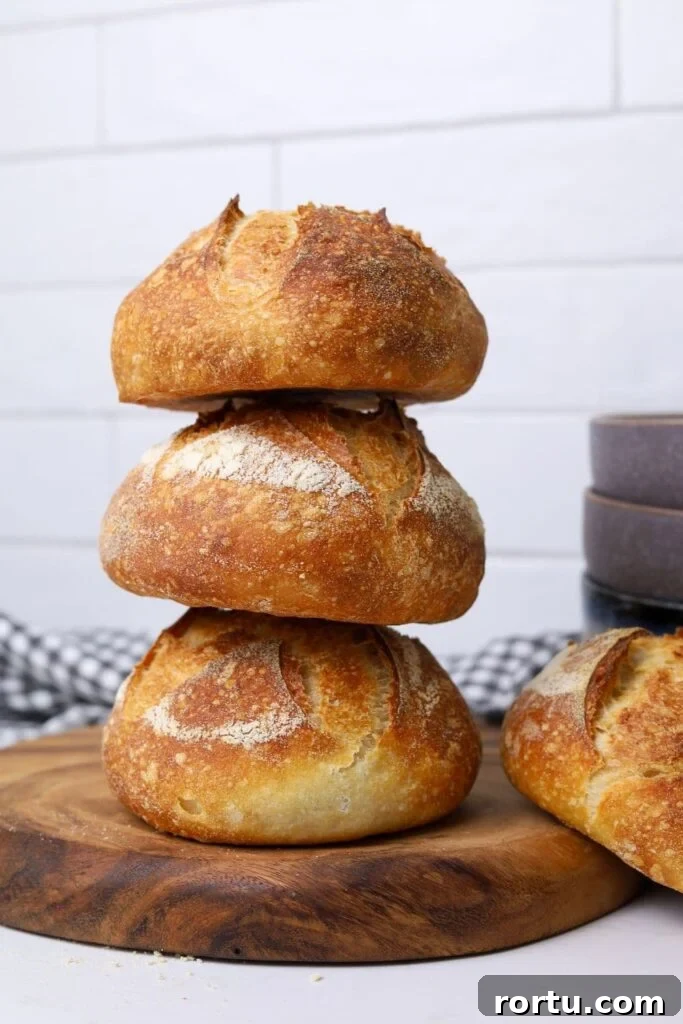
Because it increases the amount of reducing sugars available at baking time, diastatic malt also promotes enhanced browning through the Maillard reaction, producing a deeper, more caramelized crust and a richer flavor.
In summary, diastatic malt powder typically gives:
- Stronger, more efficient fermentation and improved rise
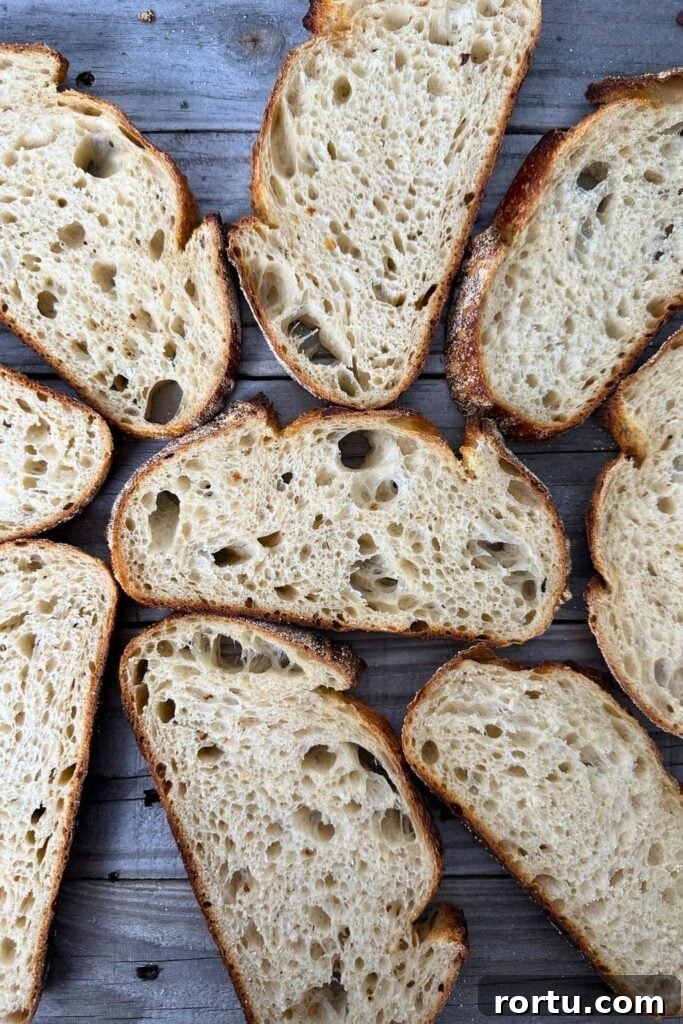
- Better crumb structure and more open texture
- Deeper, darker caramelized crust
When To Add Diastatic Malt To Sourdough
Add diastatic malt powder to the dry flour before mixing with water and salt. You can premix a larger batch of flour with malt for convenience, but remember the enzymes are active and the mixture will slowly lose potency over time, so store and use it within a reasonable period.
Diastatic malt can be included during autolyse along with flour and water.
How Much Diastatic Malt Powder To Use In Sourdough Bread?
A common guideline is 0.5% to 2% of total flour weight. For a 500 g flour blend, that equals roughly 2.5 g to 10 g of diastatic malt powder. Start at the lower end and adjust based on results—too much enzyme activity can over-ferment dough if left too long.
Diastatic Malt Powder vs Non Diastatic Malt Powder
Diastatic malt contains active enzymes that support fermentation. Non-diastatic malt is roasted at higher temperatures, which inactivates those enzymes; it contributes color and a toasty, sweet flavor but won’t feed yeast. Non-diastatic malt is useful when you want color and flavor, for example in bagel dough.
Malted milk powder is different again because it contains added milk solids and is intended for beverages and confectionery rather than fermentation benefits.
Can You Make Diastatic Malt Powder At Home?
Yes. Homemade diastatic malt requires sprouting grains, drying them at low temperatures to preserve enzymes, and grinding them to a powder:
- Soak and sprout barley or wheat berries until small white sprouts appear.
- Dry the sprouted grains at a low temperature (below about 40°C / 104°F). A dehydrator set around 37°C works well; a very low oven or well-ventilated air drying are alternatives.
- When fully dry and hard, grind the grains into a fine powder using a high-speed blender, food processor, or mortar and pestle.
Store homemade diastatic malt in a clean, dry, airtight jar in the pantry. Properly stored, it can keep for many months, though potency will gradually decline.
Is There A Substitute for Diastatic Malt Powder?
There’s no direct substitute that performs exactly the same enzymatic function, but you can achieve similar goals with other techniques:
- Use methods that encourage crust browning, such as higher oven heat, steam during the first bake phase, or slightly longer final bake.
- Strengthen and refresh your starter to improve fermentation power.
- Adjust fermentation times and temperatures to encourage more open crumb and better rise.
Adding plain sugar is not a full replacement; while sugar can promote browning and speed fermentation slightly, excessive sugar can weaken gluten and harm dough structure.
Further Reading
If this overview was helpful, you might explore related topics such as achieving blisters on sourdough, using vital wheat gluten, tips for a more open crumb, and techniques for producing a pronounced sourdough ear.