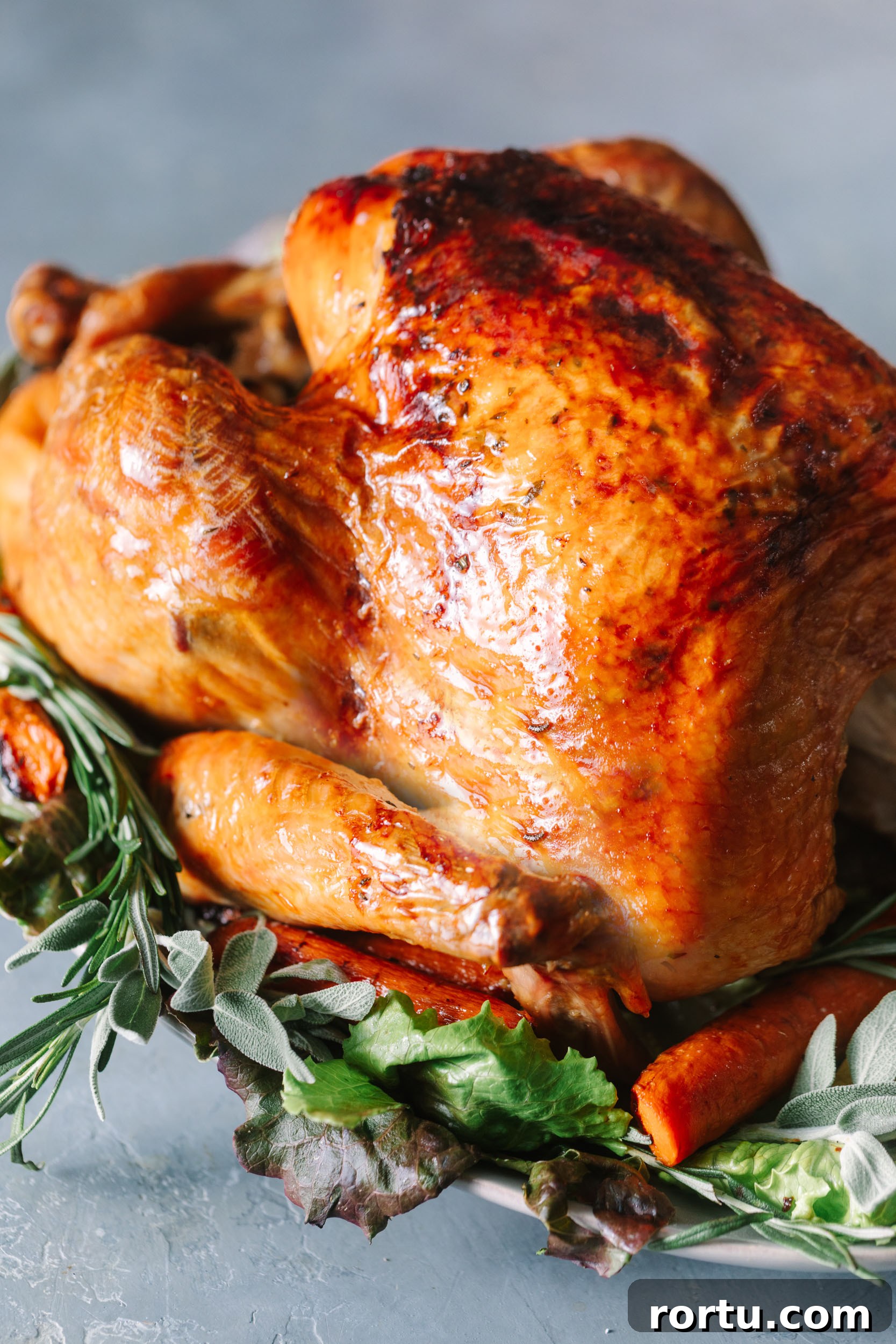
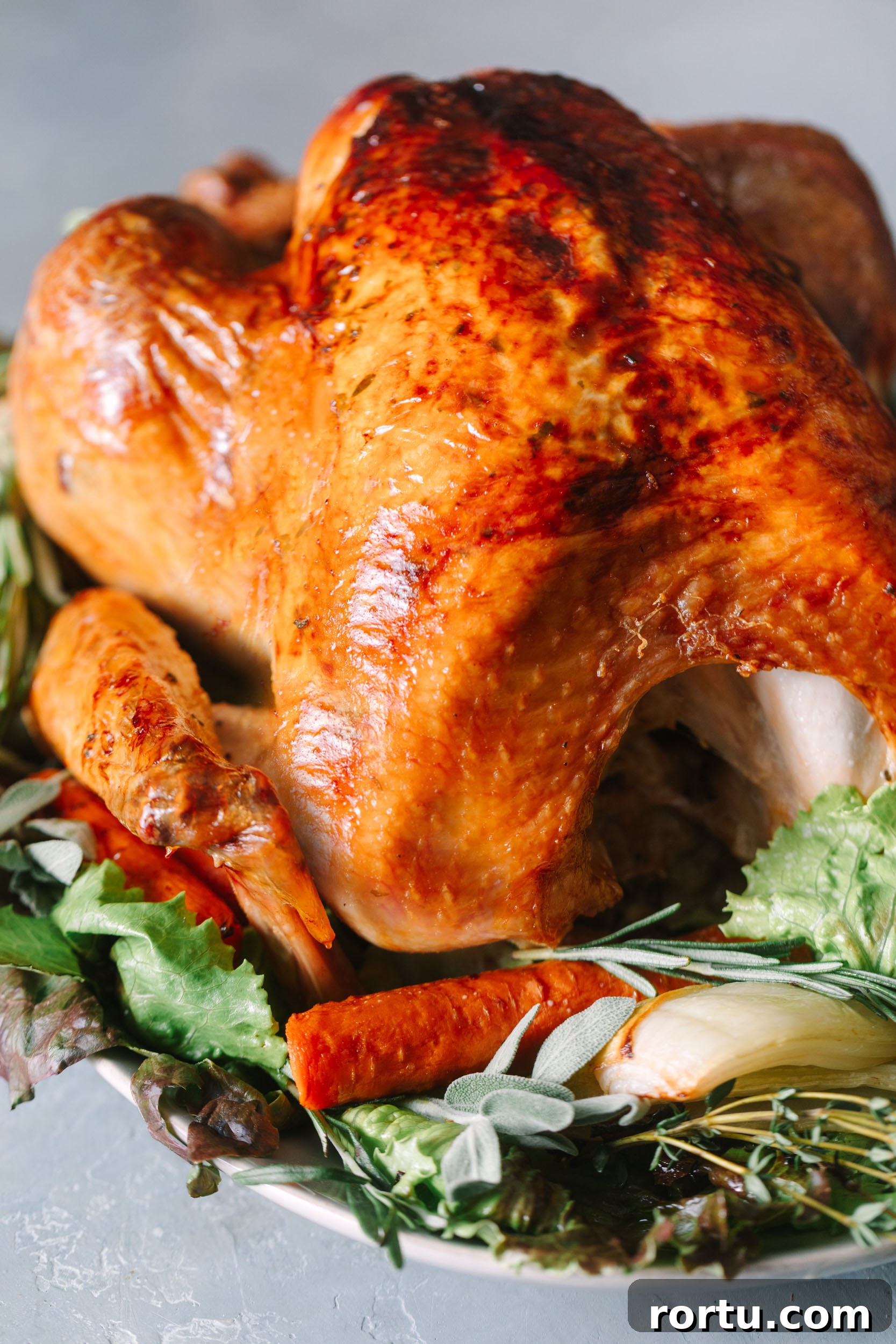
This roasted Thanksgiving turkey is juicy, buttery, and herb-forward, with bright citrus and warm holiday notes. A wet brine seasons the meat throughout, while a garlic-herb compound butter delivers golden, crispy skin and rich pan drippings.
Recipe Highlights
- ⏱️ Cook Time: 2½–3 hours
- 🍽️ Serves: 10–12
- 👩🏽🍳 Difficulty: Moderate — beginner-friendly with clear steps
- 🔥 Flavor: Herbaceous, buttery, citrusy, with crisp golden skin
Roasting a whole turkey can feel daunting, especially if it’s your first time hosting. This recipe is written for beginners: clear, step-by-step instructions produce a reliably juicy, flavorful bird.
A wet brine is one of the best ways to ensure a moist, well-seasoned turkey. Brining adds moisture and flavor deep into the meat so the finished turkey won’t be bland or dry.
After brining, a garlic-herb compound butter is rubbed under and over the skin. Butter beneath the skin keeps the breast moist and lets the herbs, garlic, and lemon zest melt into the meat as it roasts.
Finish prepping by stuffing the cavity with simple aromatics like onion, fresh herbs, and orange slices. These steam inside the turkey while it cooks, adding brightness and moisture without the density of traditional stuffing.
During roasting, baste and rotate the turkey every 25 minutes with melted garlic butter. Regular basting encourages even browning and layers of savory flavor.
Continue reading for detailed steps and troubleshooting tips to address common turkey issues and to ensure consistent results.
Why You’ll Love This Thanksgiving Turkey
- Beginner-friendly, chef-level results. Simple ingredients yield an impressive bird.
- Consistently juicy. The wet brine and compound butter keep meat moist from the inside out.
- Clear, step-by-step instructions. Ideal for first-time roast cooks.
- Compound butter creates crisp skin. It melts and bastes the turkey while roasting.
- Roasted vegetables produce great drippings. Use them for gravy or to make stock later.
Ingredients
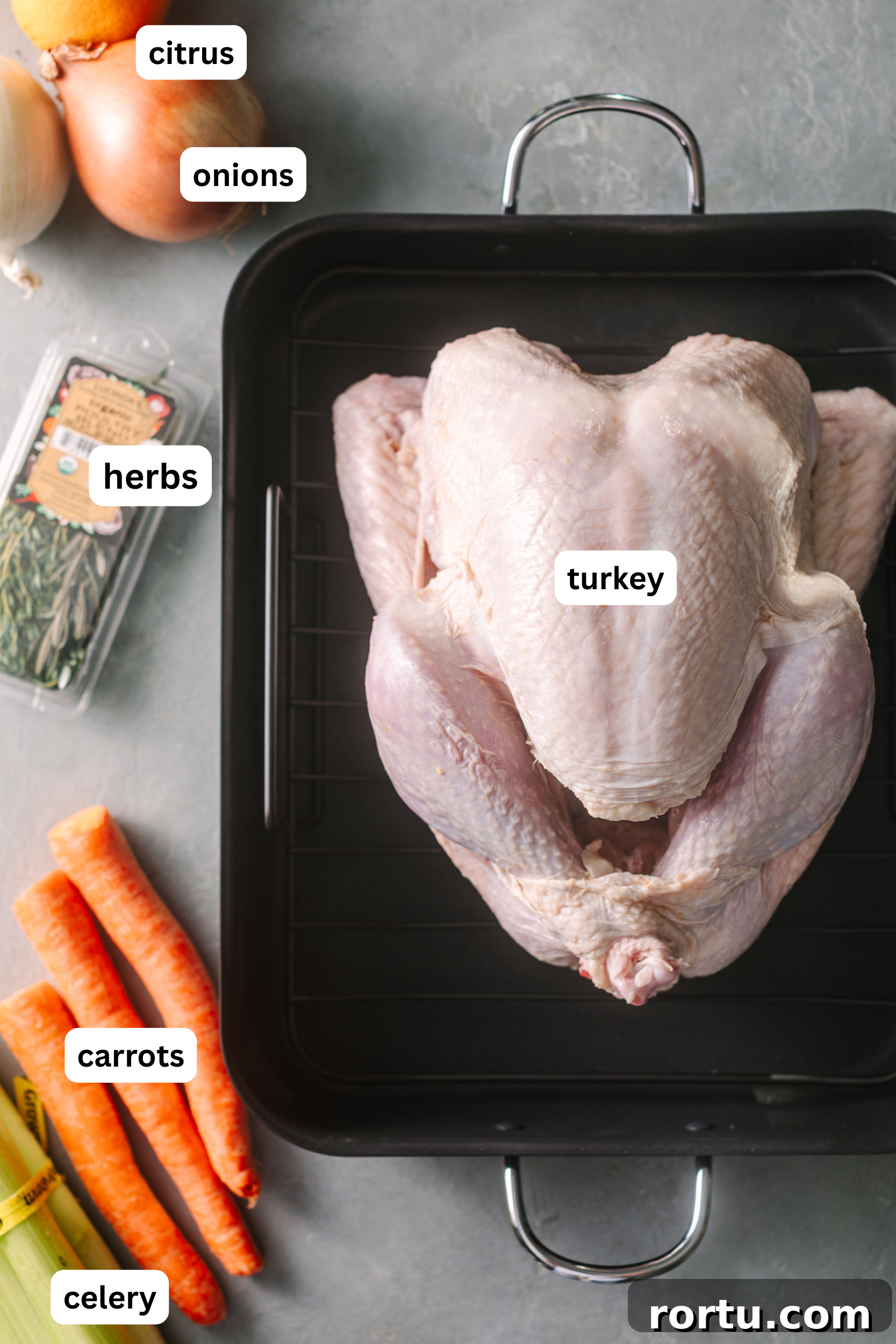
- Compound butter: Use a high-quality unsalted butter (higher butterfat yields better flavor and browning). Butter goes under the skin for moisture and on the outside for crispy skin.
- Poultry herbs: The classic trio—rosemary, thyme, and sage—gives a familiar, festive aroma.
- Vegetables: Carrots, celery, and onion soften and caramelize in the pan, flavor the drippings, and act as a natural roasting rack if you don’t have one.
See the recipe card below for full ingredient quantities.
How to Make a Wet Turkey Brine
Follow a standard wet brine formula: water, kosher salt, sugar, citrus, garlic, and fresh herbs. Allow the brine to cool completely before adding the turkey.
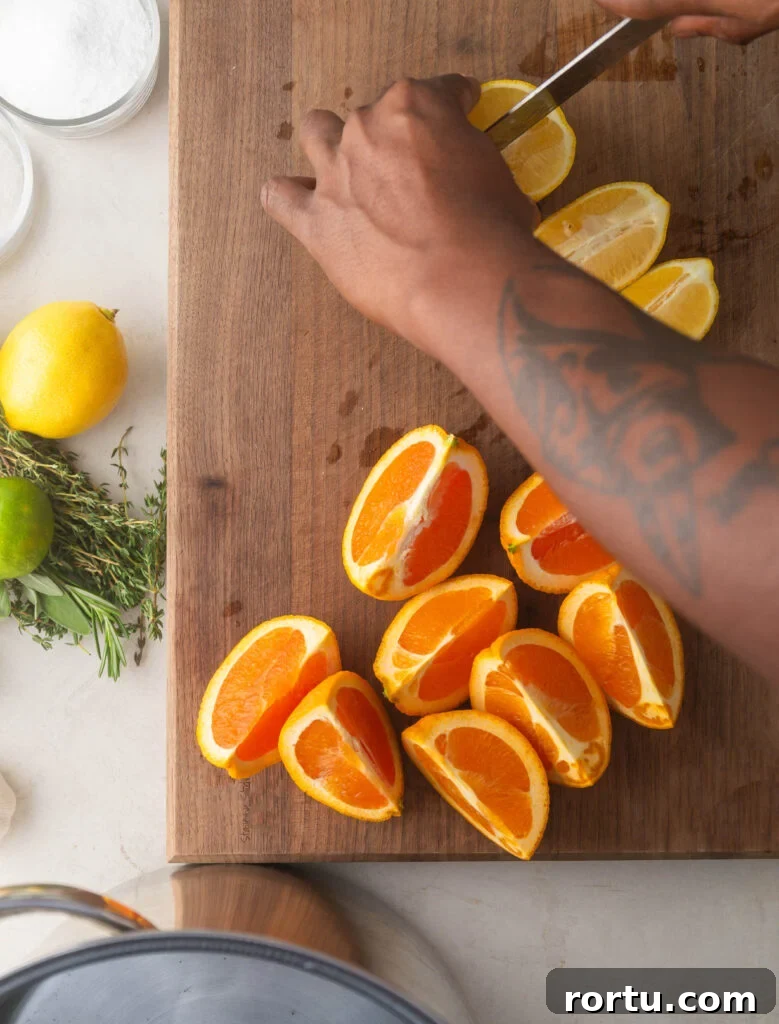
Step 1. Slice and quarter oranges, lemons, limes, and onion.
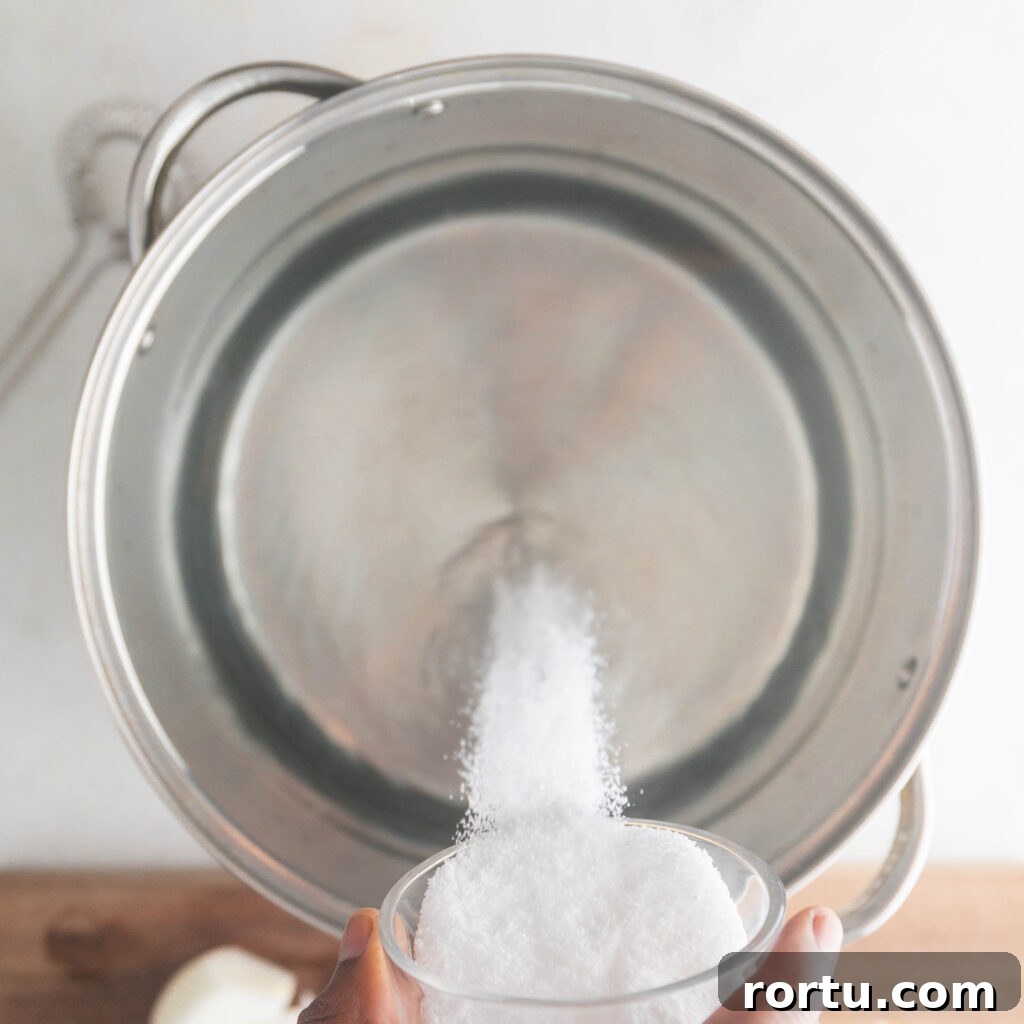
Step 2. Warm 1–2 gallons of water (depending on turkey size) until hot but not boiling. Stir in kosher salt and sugar until dissolved.
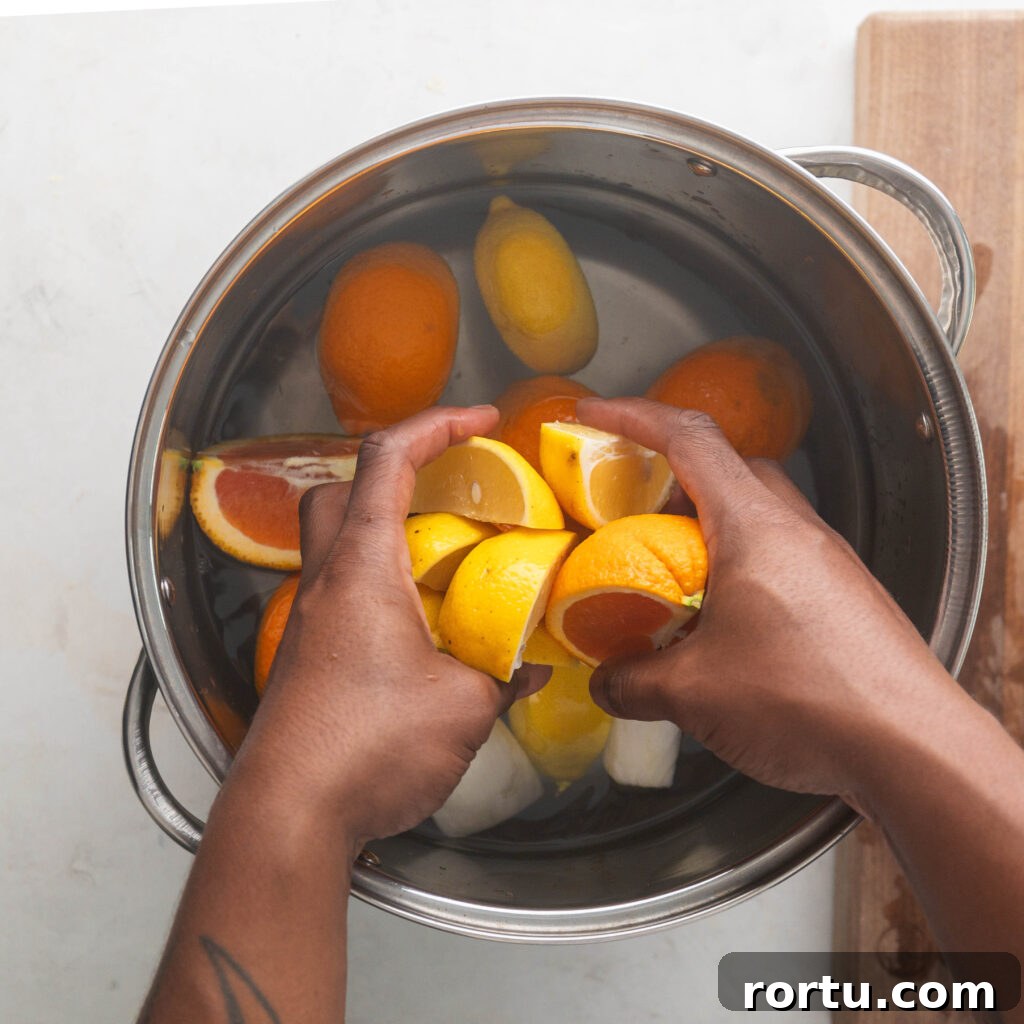
Step 3. Add citrus quarters, garlic, and quartered onion to the brine.
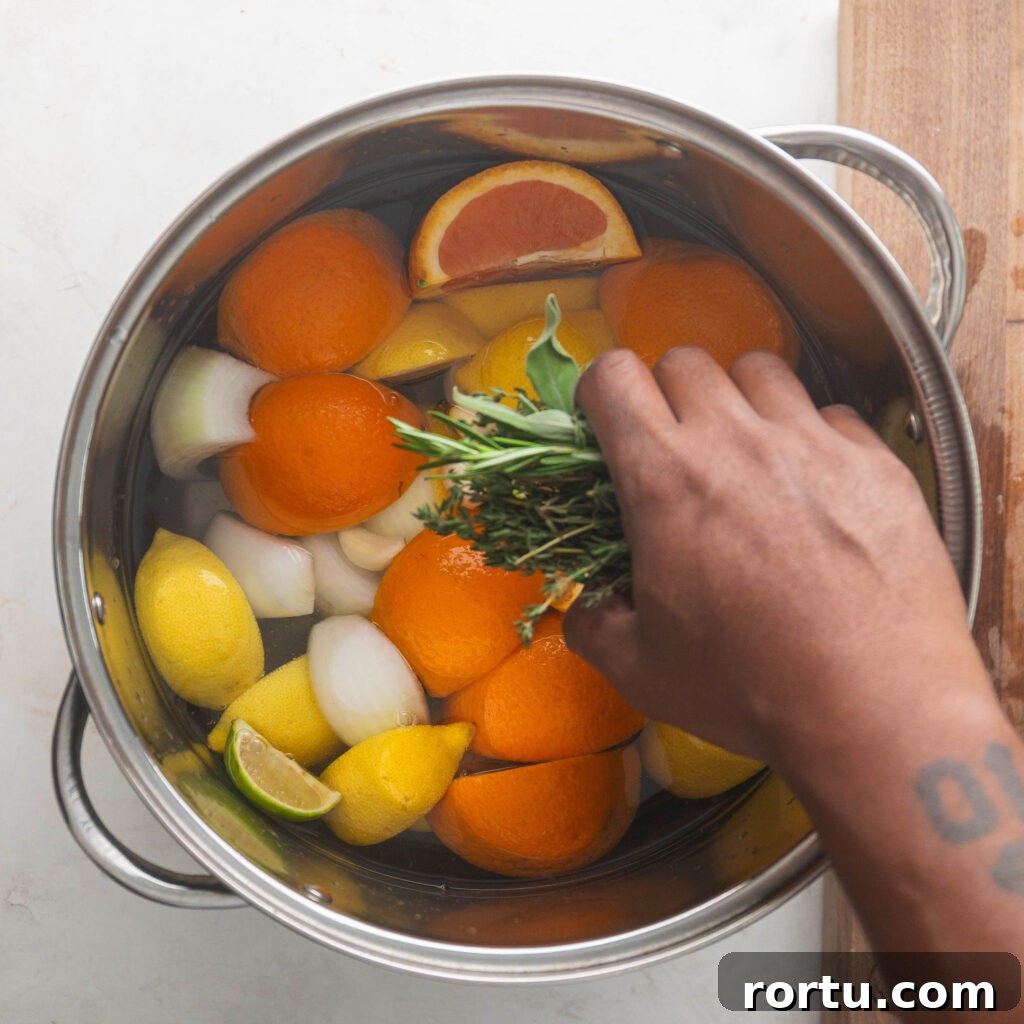
Step 4. Add thyme sprigs, rosemary, and sage leaves.
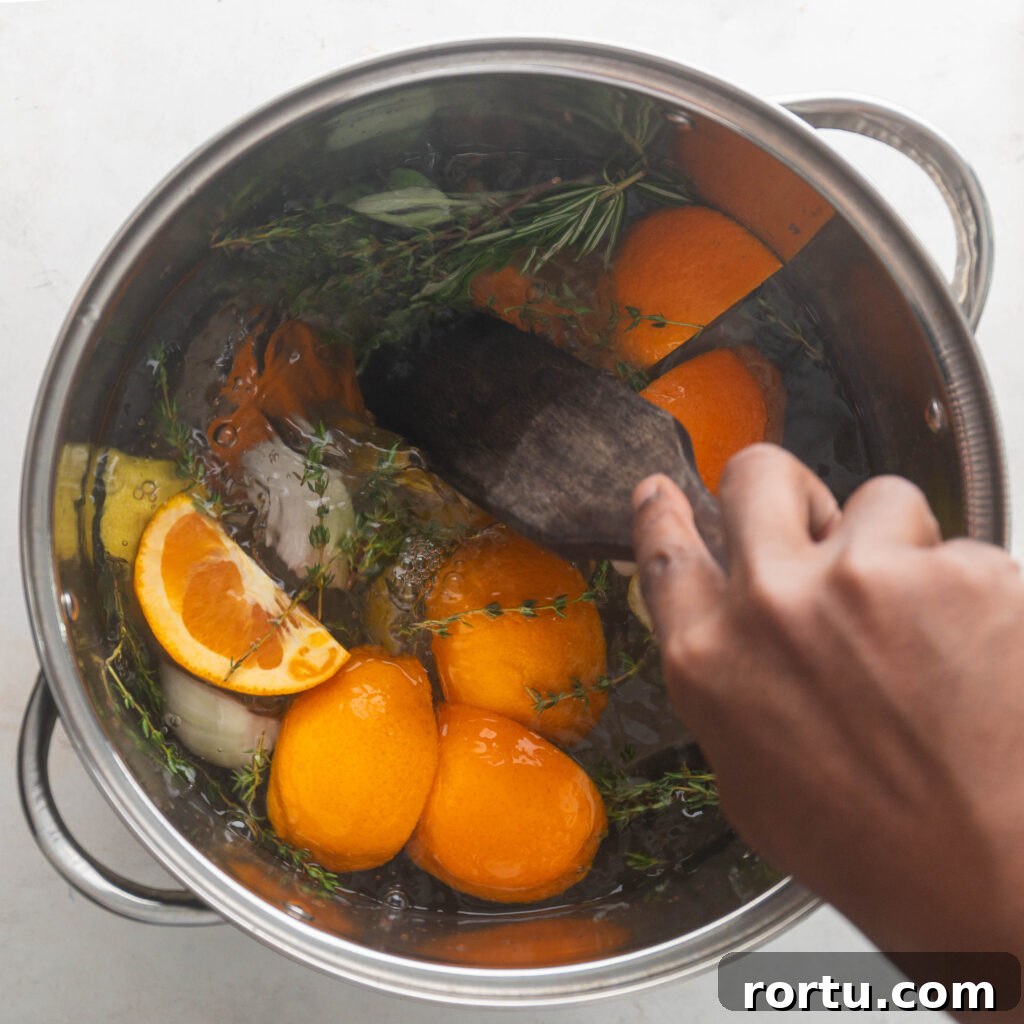
Step 5. Stir, then remove from heat and let the brine cool to room temperature.
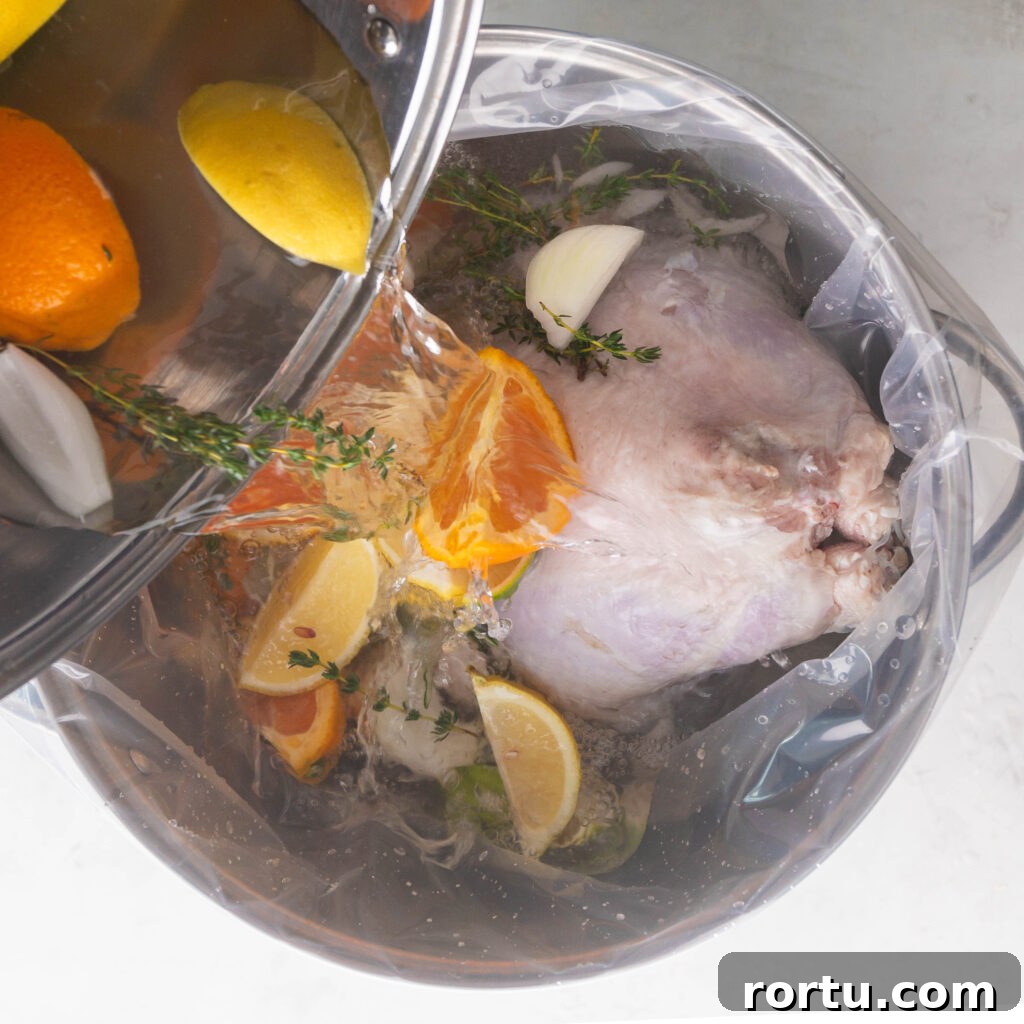
Step 6. Place the turkey in a large food-safe brining bag or container and pour the cooled brine over it, ensuring the bird is submerged. Add water as needed to cover.
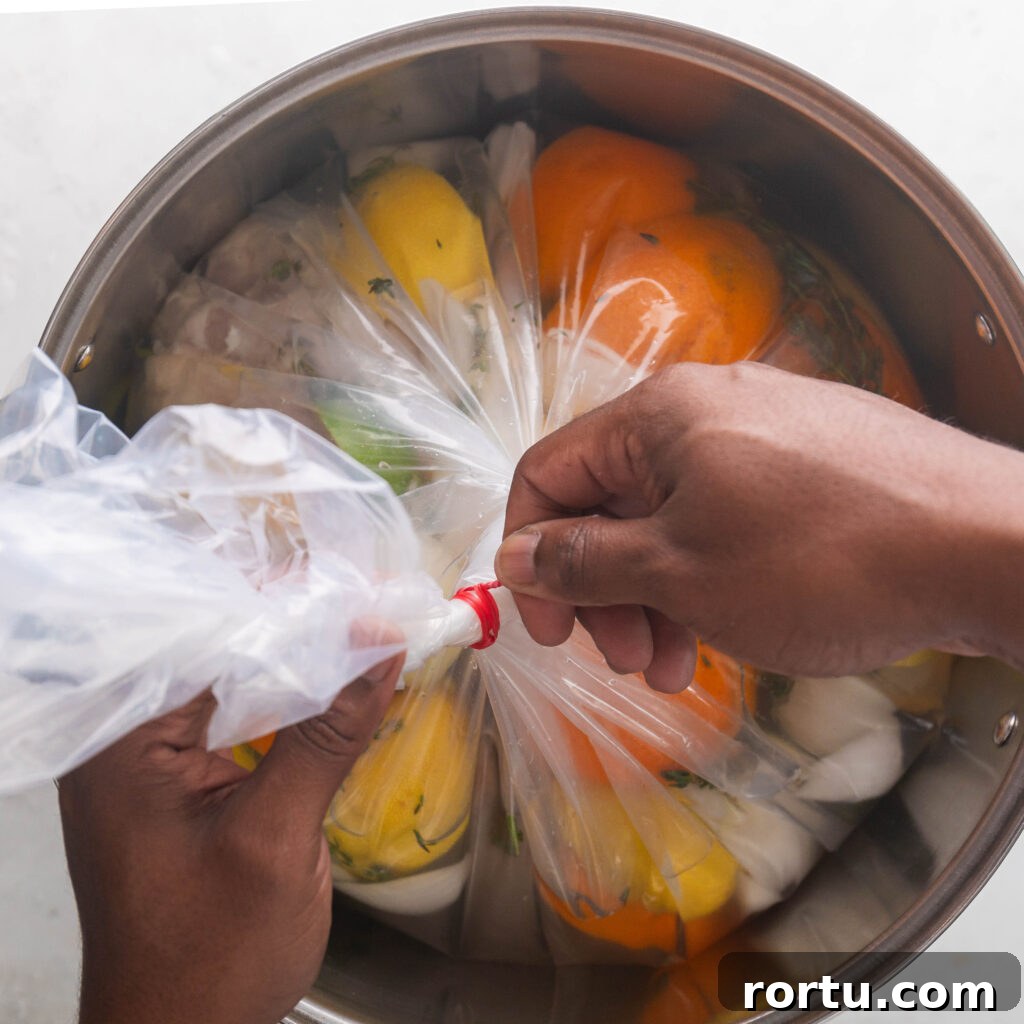
Step 7. Seal or cover and refrigerate the turkey for at least 4 hours, preferably overnight up to 24 hours to let flavors penetrate.
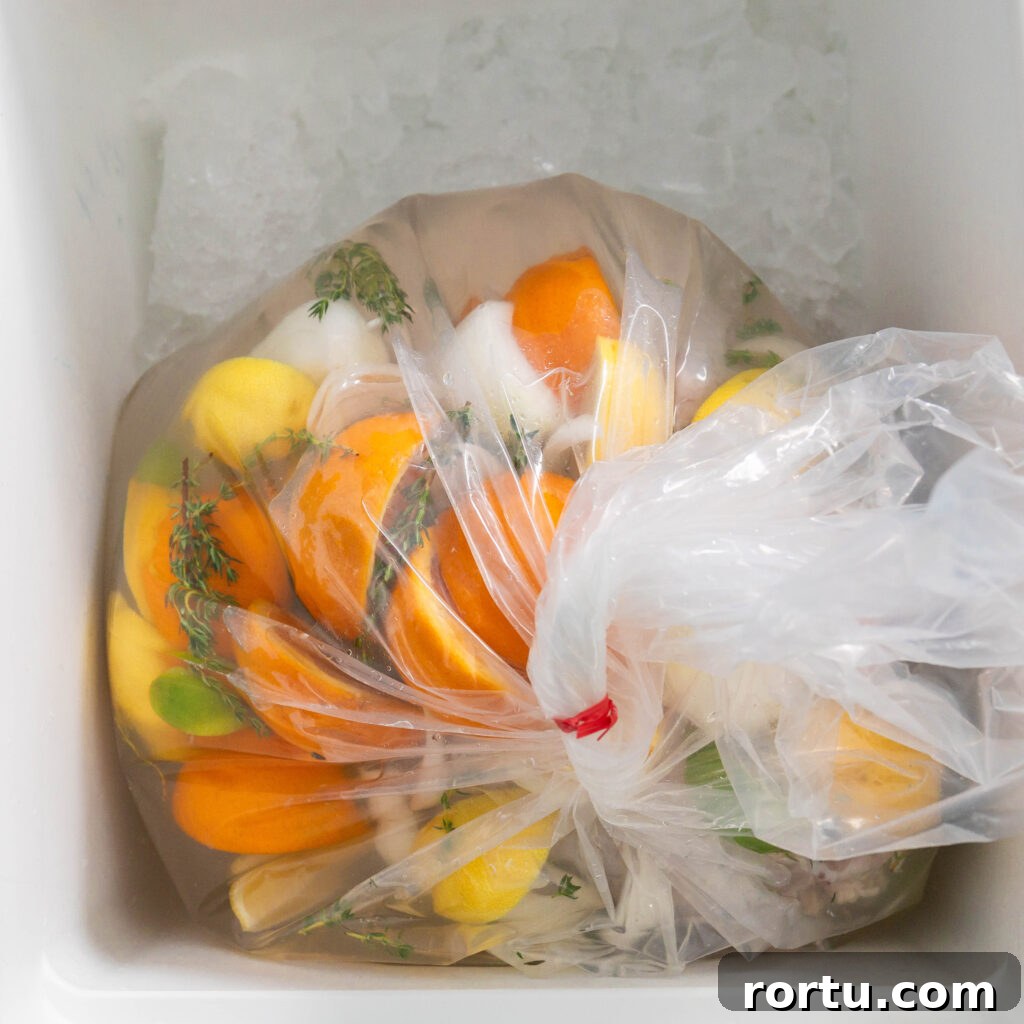
Step 8. Alternatively, keep the brined turkey cool in a cooler packed with ice.
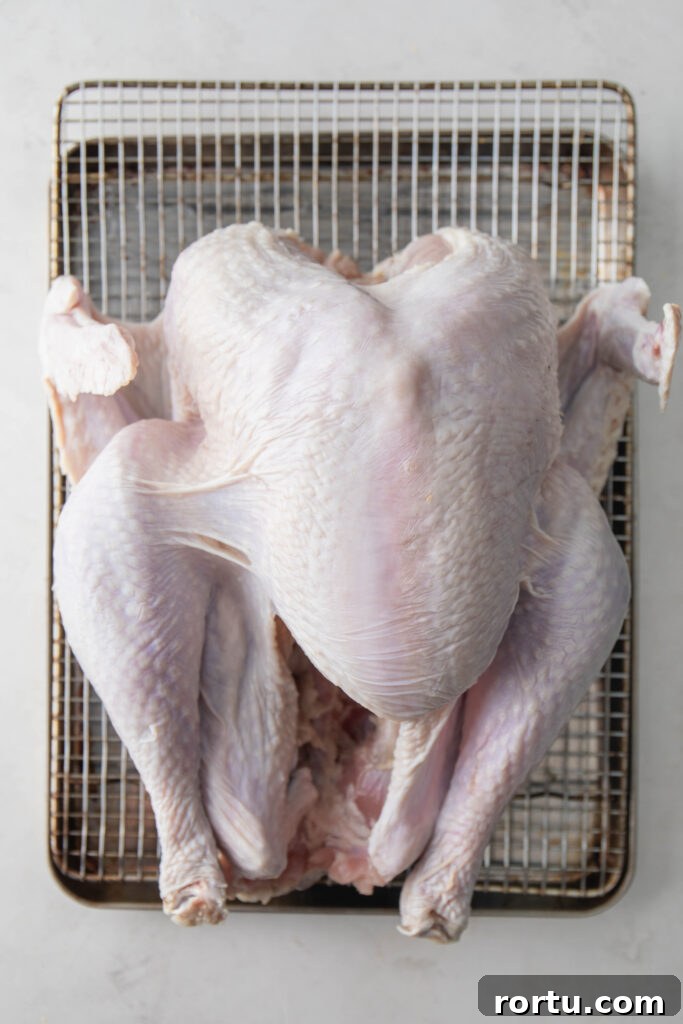
Step 9. After brining, rinse the turkey under cold water and pat dry. Place uncovered in the fridge for a few hours to help the skin dry—this improves crispness.
How to Roast a Thanksgiving Turkey (Step-by-Step)
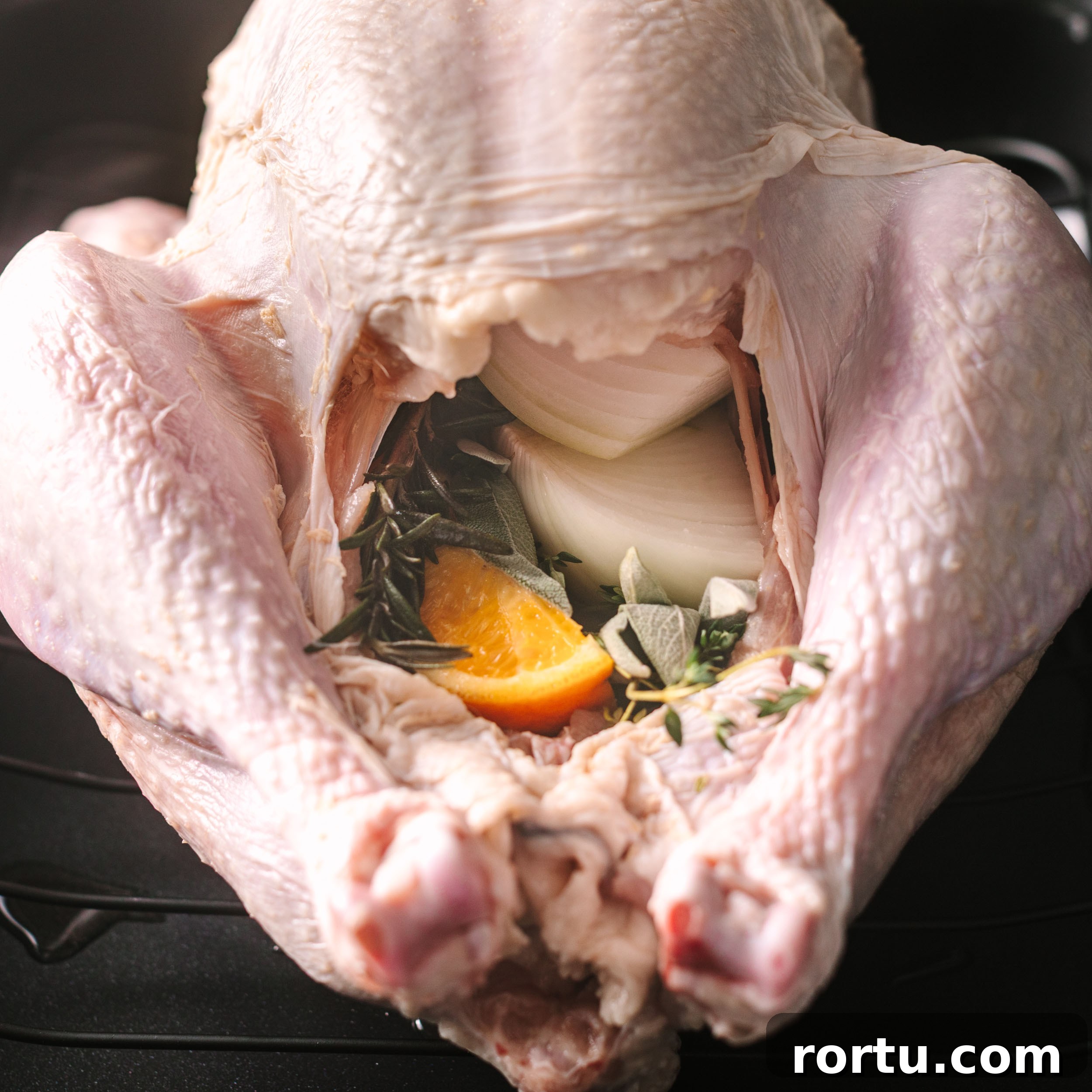
Step 1: Place orange quarters, onion, and a few herb sprigs inside the cavity. Do not overpack.
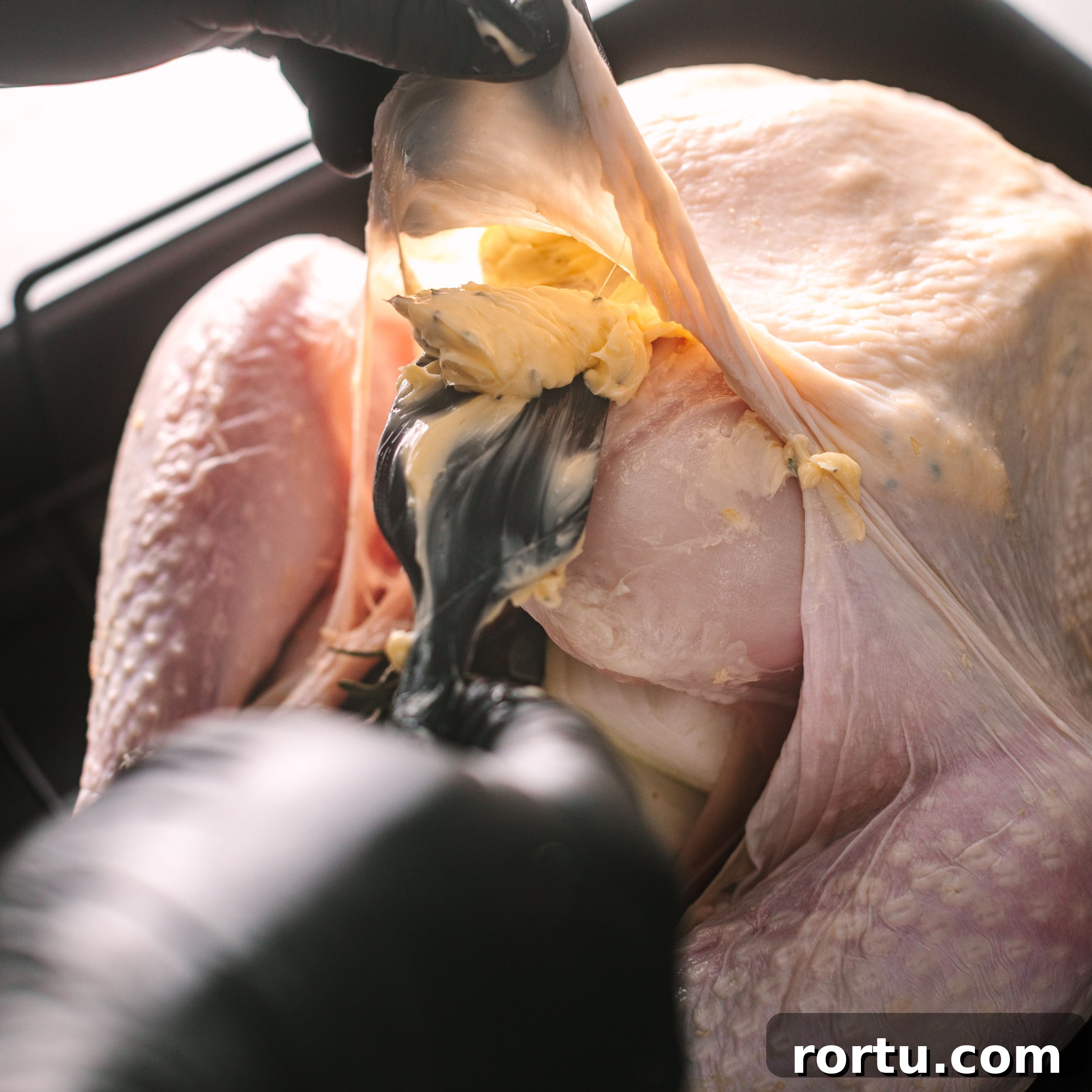
Step 2: Spread garlic-herb compound butter under the skin, working carefully to create even coverage over the breast and thighs.
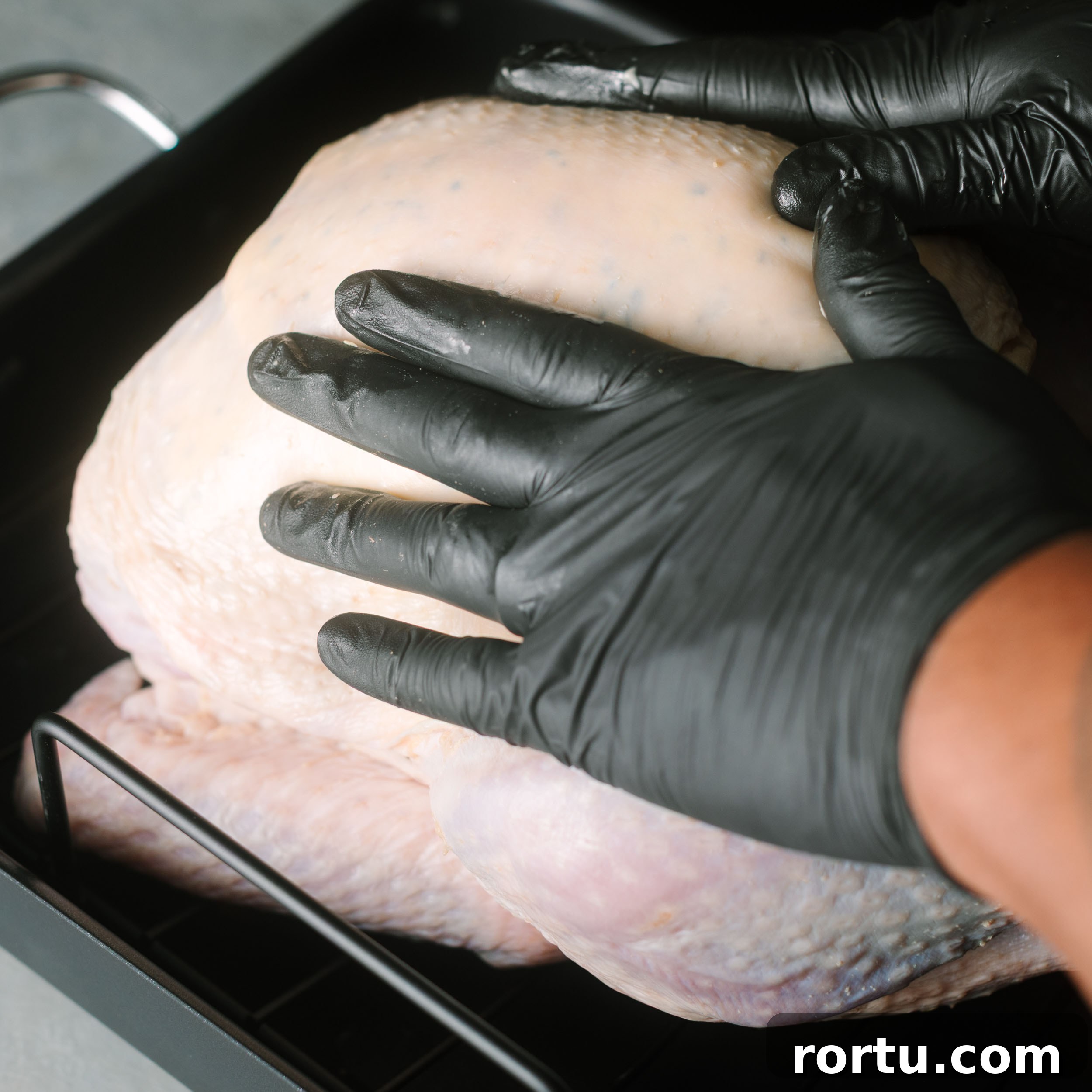
Step 3: Rub a light layer of compound butter over the outside of the turkey, reserving some for basting. Coat legs and wings as well.
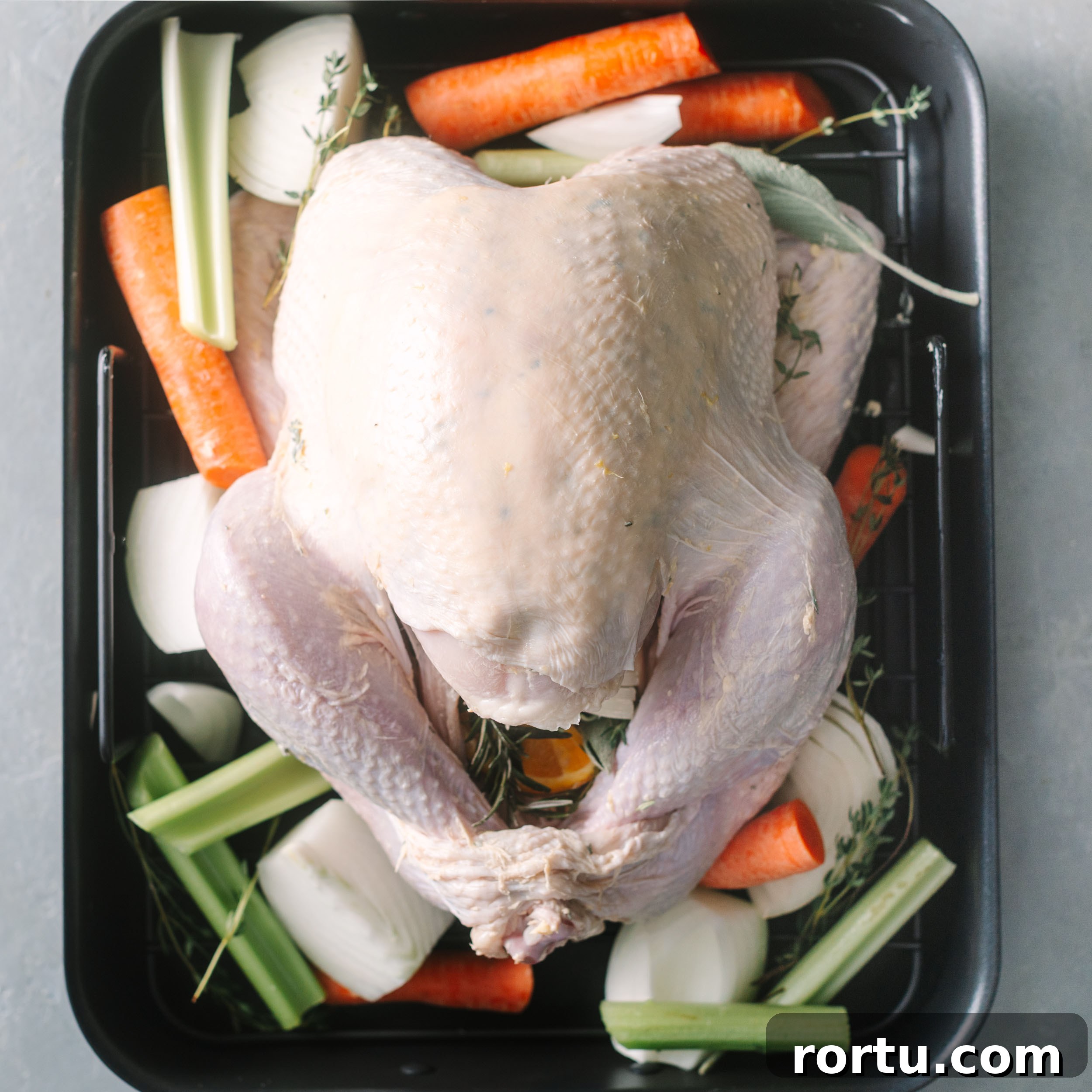
Step 4: Add carrots, celery, the remaining onion, and herbs to the bottom of a roasting pan. Drizzle with olive oil and place the turkey breast-side up on top of the vegetables (or on a rack with vegetables arranged around it).
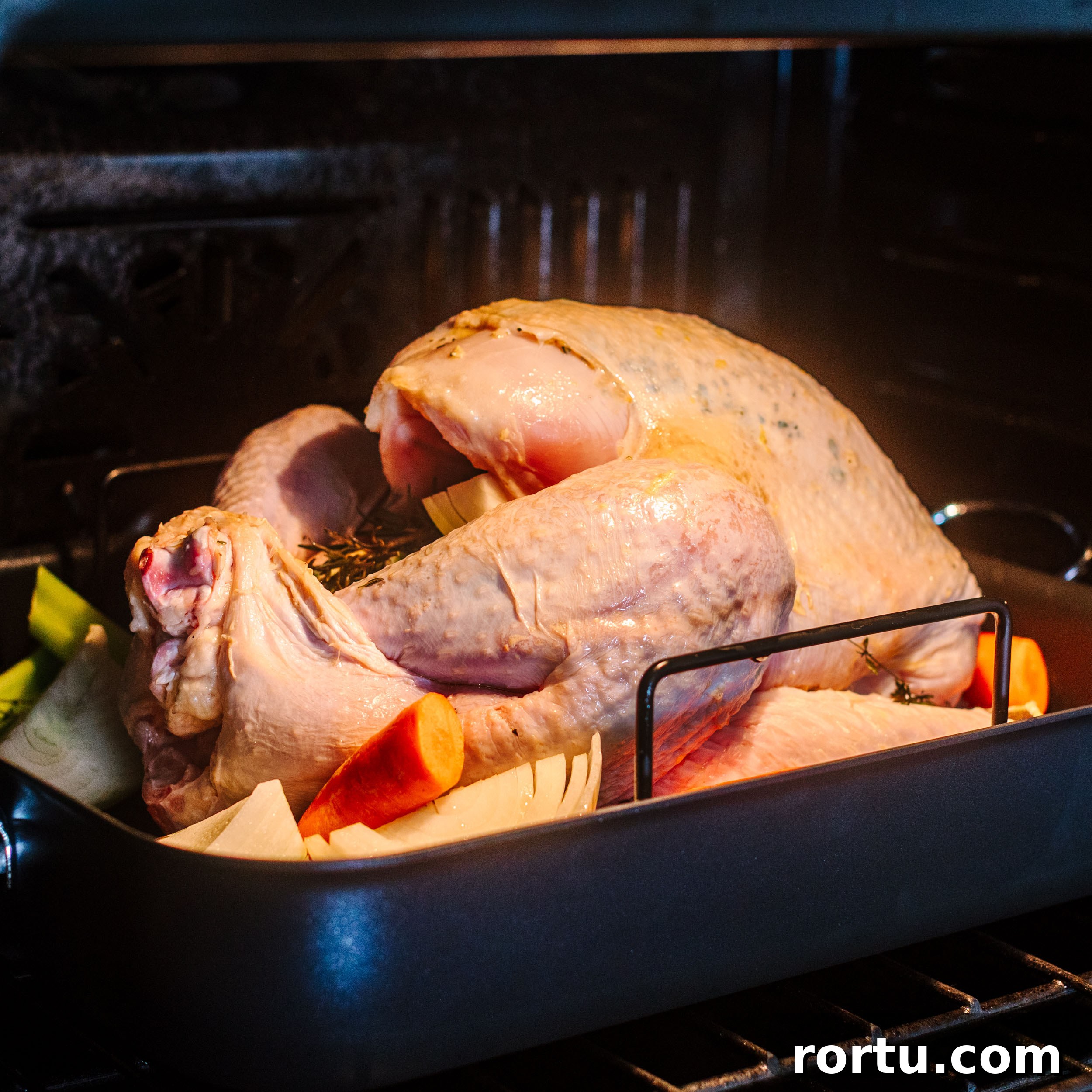
Step 5: Roast the turkey in a preheated oven. For the first 25 minutes keep the door closed.
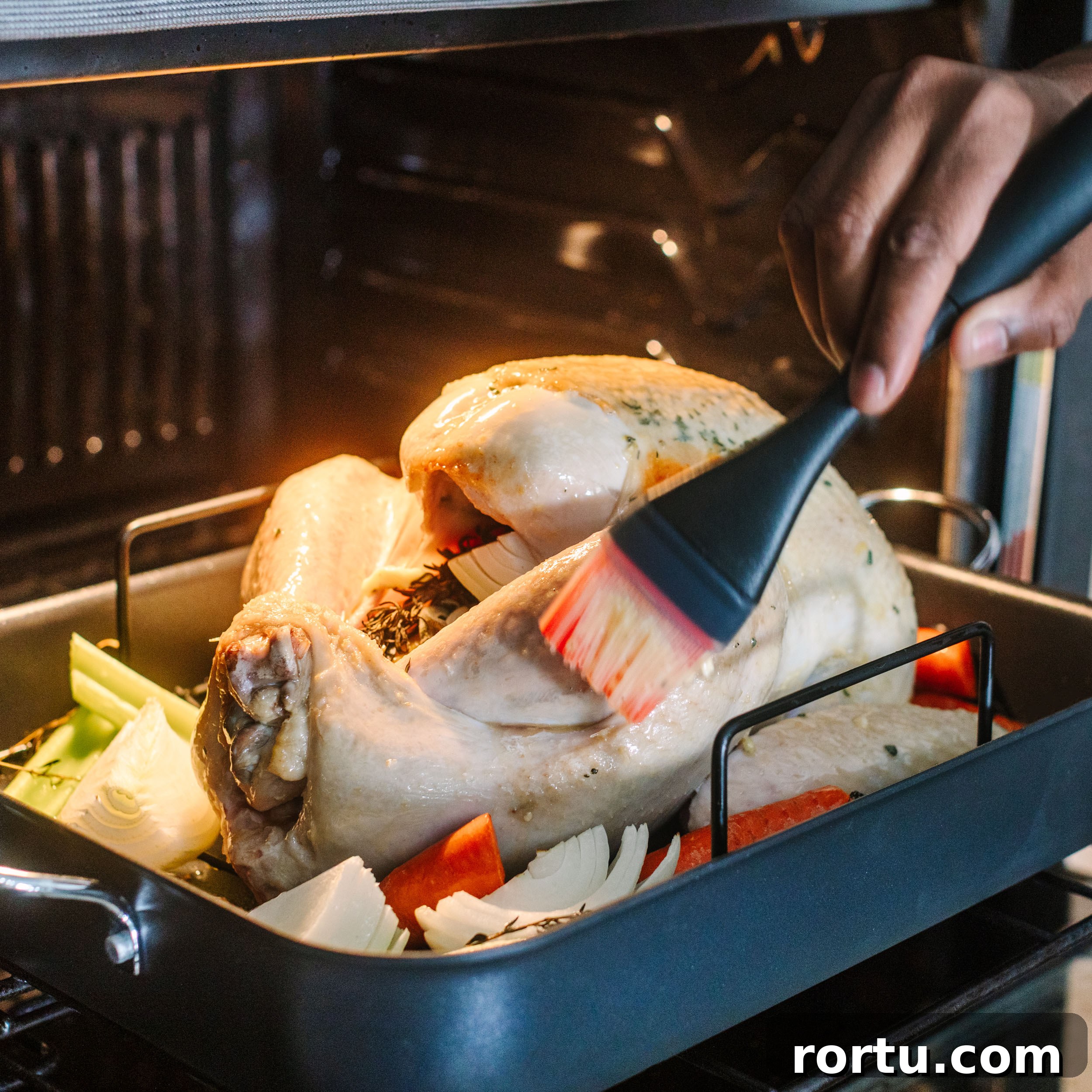
Step 6: Every 25 minutes, baste the turkey with melted butter and rotate it 180° so it browns evenly. Continue until the thickest part of the thigh reaches 165°F (about 2½–3 hours for a 12-lb bird).
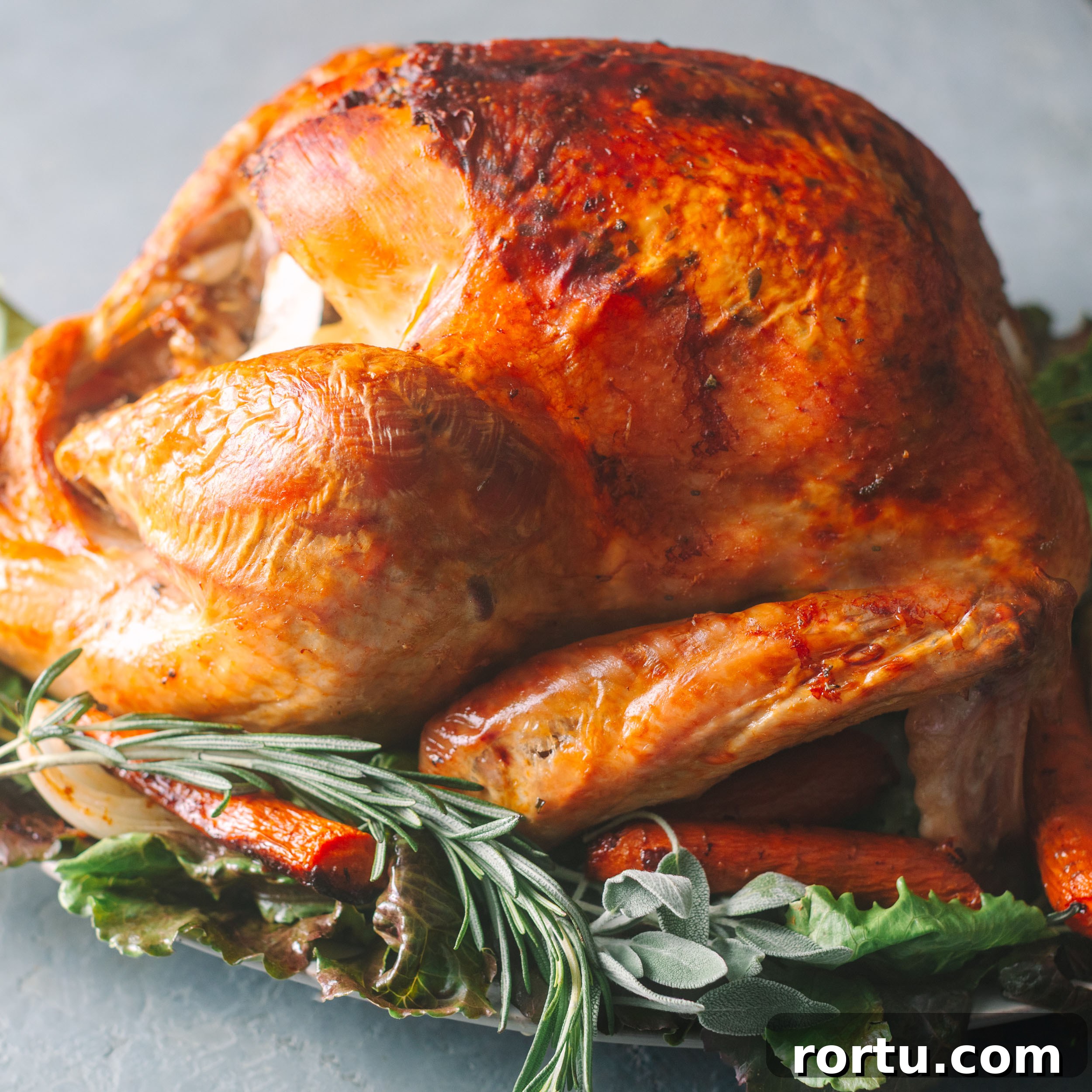
Step 7: Remove the turkey from the oven and let it rest 45–60 minutes before carving. Resting lets the juices redistribute so slices stay moist. Reserve pan drippings and roasted vegetables for gravy.
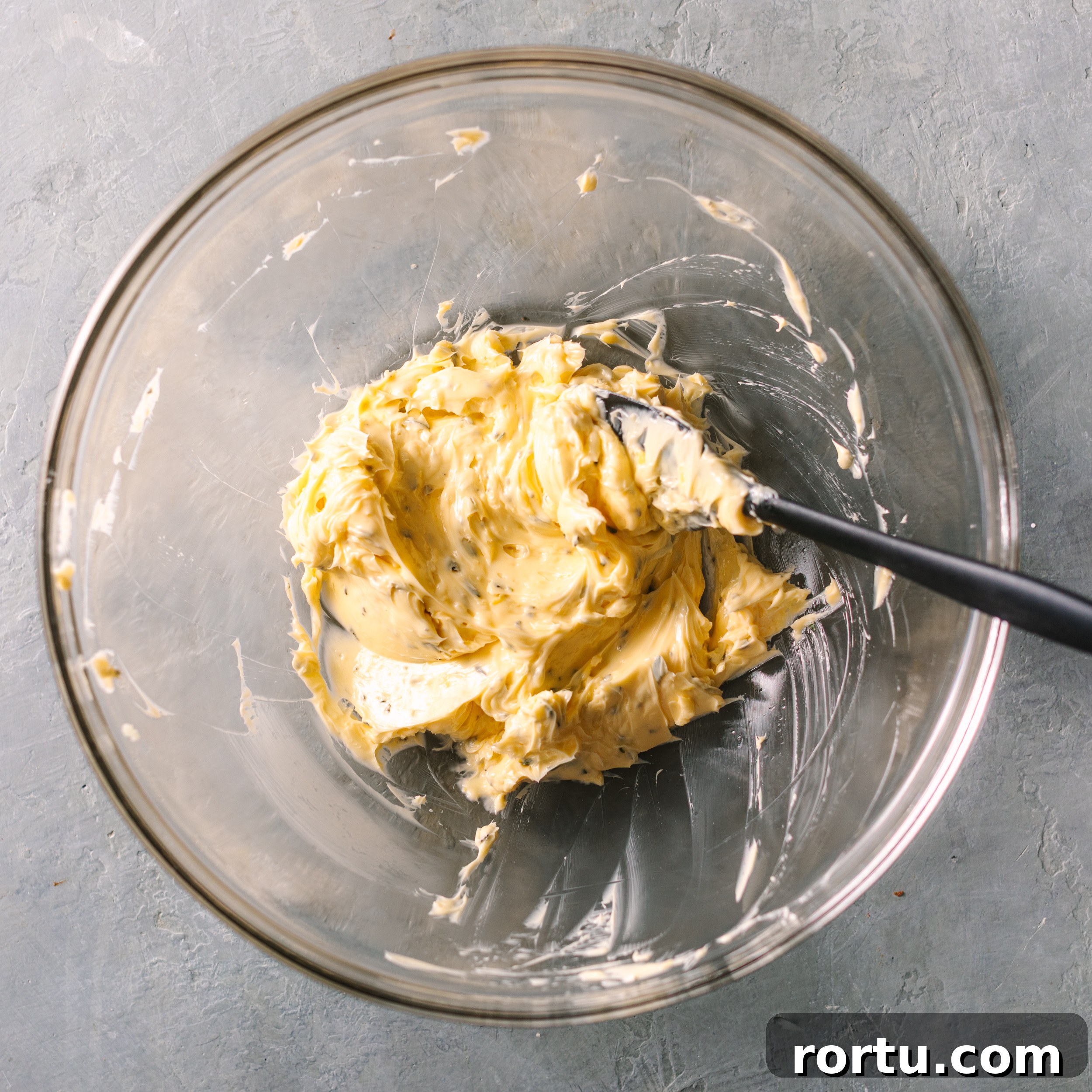
Garlic Compound Butter
Let unsalted butter sit at room temperature until soft. Mix the softened butter with lemon zest, minced garlic, and finely chopped fresh herbs until smooth. Use about ½ pound for a 12-lb turkey and increase if your bird is larger. Optionally stir in Creole or Cajun seasoning for extra flavor.
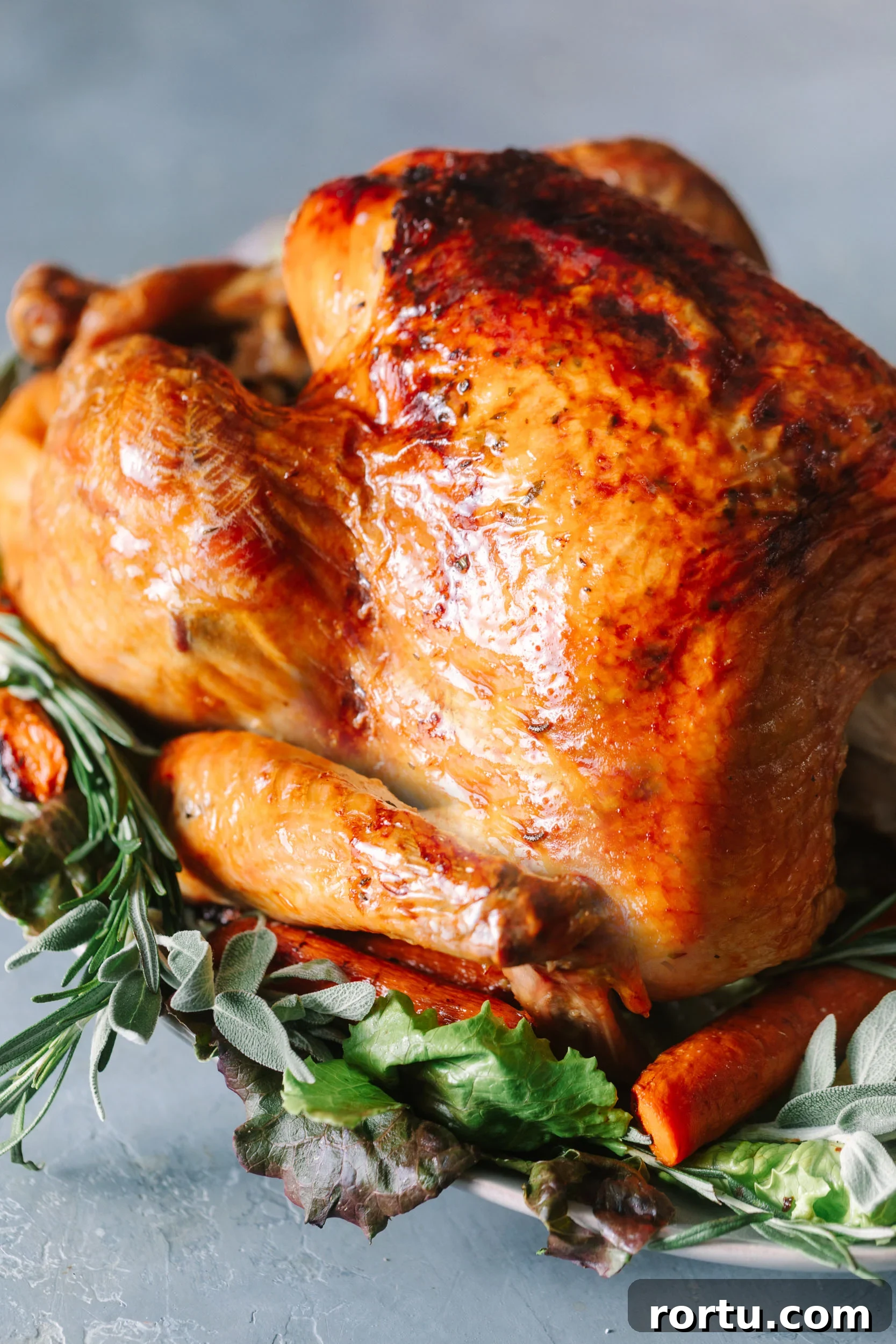
Thanksgiving Turkey Troubleshooting Tips
1. Breast browning too fast
Loosely tent just the breast with foil, leaving legs and thighs exposed. Remove the foil for the last 20 minutes to re-crisp the skin.
2. Sides near the wings aren’t browning
Those areas sit lower and may not get direct heat. Fixes:
- Rotate the turkey 180° every time you baste so all sides face hotter oven spots.
- Tilt the pan slightly by folding foil under one corner to expose lower sides to more heat.
- Brush hot drippings over pale spots and, if needed, raise the oven to 400°F for the last 10–15 minutes.
3. Skin not getting crispy
- Dry the skin very well before adding butter.
- Avoid covering with foil too early.
- Use convection roast if available for even crisping.
- Baste with fat (melted butter or drippings), not broth or water.
4. Bottom of the turkey is soggy
Roast on vegetables or a rack so heat circulates under the bird. Convection mode also reduces steaming at the bottom.
Roasted Thanksgiving Turkey FAQs
Thawing in the refrigerator typically requires about 1 day for every 4 pounds. For example, a 12-lb turkey needs roughly 3 days.
Brining produces juicier, more flavorful meat, but it’s optional. If you skip brining, be sure to season the turkey thoroughly inside and out.
Cook the turkey breast-side up for crisp skin and even cooking.
Use a meat thermometer. The turkey is done when the thickest part of the thigh reaches 165°F.
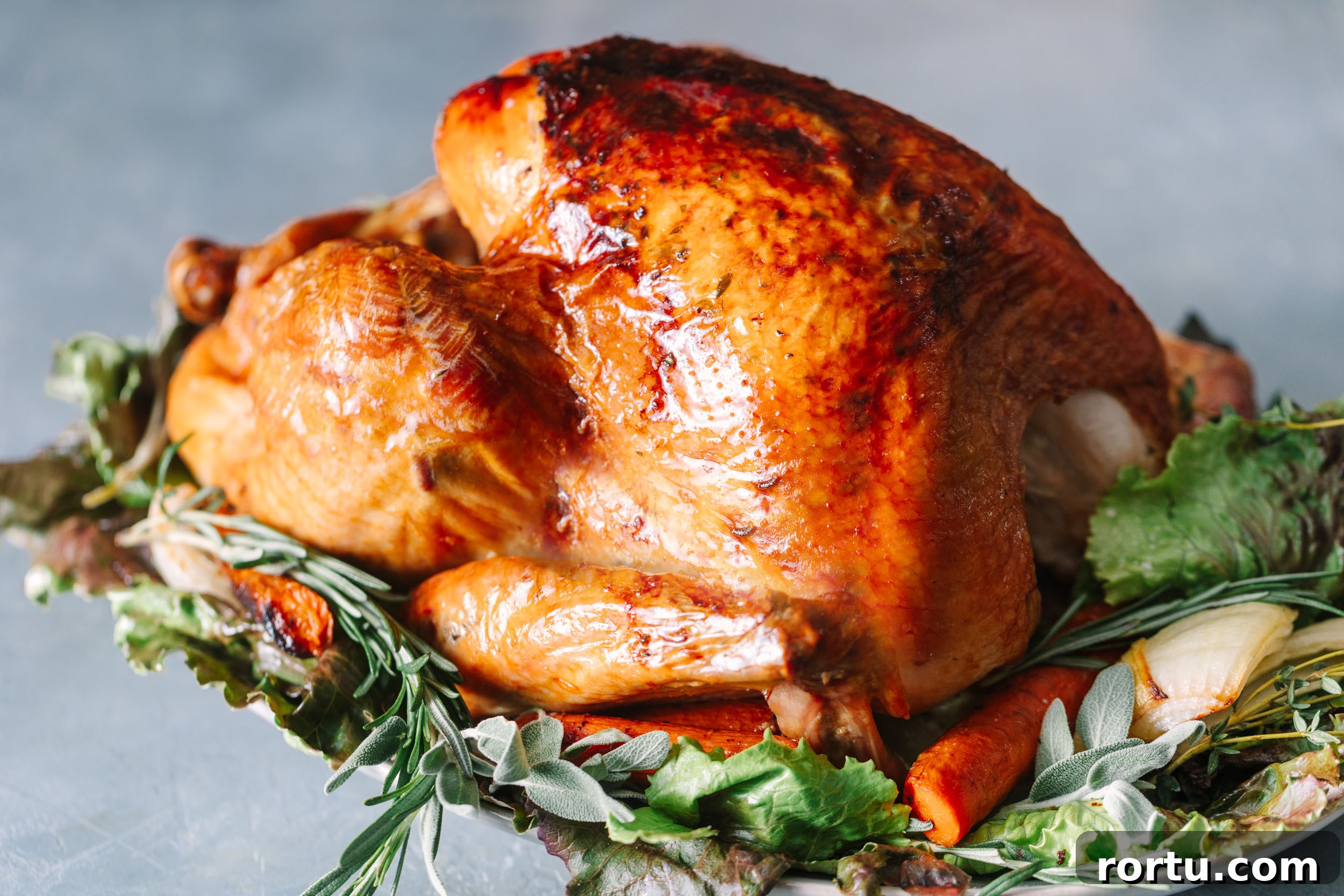
More Holiday Main Dish Ideas
Looking for other holiday mains? Try smoked Cornish hens, double-smoked ham, or a spatchcock smoked turkey. Roasted prime rib is another celebratory option.
If you tried this Roasted Thanksgiving Turkey, consider leaving a star rating and sharing your notes in the comments — feedback helps other cooks and improves the recipe.
📖 Recipe
Roasted Thanksgiving Turkey
Krysten Wilkes & Marrekus Wilkes
Equipment
- Roasting pan large enough for the turkey
- Roasting rack (optional)
- Basting brush or large spoon
- Meat thermometer
- Aluminum foil
- Carving knife and fork
Ingredients
- Cooks with Soul Turkey Brine Recipe (see instructions)
- 1 whole turkey, 12 pounds, thawed
- 1 orange, quartered
- 2 onions, quartered (one for cavity, half for roasting pan)
- 3 carrots, cut into chunks
- 3 celery stalks, cut into chunks
- Fresh herbs: rosemary, thyme, sage
Garlic Herb Compound Butter
- ½ pound unsalted butter, softened (use more for larger birds)
- Zest of 2 lemons
- 3 cloves garlic, minced
- Fresh herbs: rosemary, thyme, and sage, chopped
Instructions
Brine the Turkey (12–24 hours ahead)
- Follow the wet brine directions and soak the turkey for 12–24 hours. When finished, rinse the bird, pat it dry, and refrigerate uncovered for a few hours to dry the skin.
Garlic Herb Compound Butter
- Let butter soften, then mix with lemon zest, minced garlic, and chopped herbs until smooth. Set aside.
Prep the Turkey
- Preheat oven to 325°F. Remove neck and giblets. Loosen skin over the breast and thighs to make room for butter.
Lightly Stuff the Cavity
- Place orange quarters, one quartered onion, and a few herb sprigs inside the cavity. Do not pack tightly.
Add Garlic Compound Butter Under the Skin
- Use about two-thirds of the butter under the skin, spreading it evenly so it melts into the meat while roasting.
Add Garlic Compound Butter on the Outside
- Rub a light layer of compound butter all over the outside of the turkey and reserve the remainder for basting.
Prepare the Roasting Pan
- Arrange carrots, celery, remaining onion, and herbs in the roasting pan, drizzle with olive oil, and set the turkey breast-side up on top. Vegetables lift the bird and flavor the drippings.
Roast the Turkey
- Roast the turkey, keeping the oven closed for the first 25 minutes. Melt reserved butter and baste every 25 minutes, rotating the turkey 180° each time. Roast until the thickest part of the thigh reaches 165°F (about 2½–3 hours for a 12-lb turkey).
Rest the Turkey
- Remove from oven and rest 45–60 minutes before carving. Save pan drippings and roasted vegetables for giblet gravy.
Notes
- Compound butter: Adjust amount to taste; mix in seasonings if desired.
- Creole butter injection: Optional step for added moisture and flavor.
- Thawing: Estimate roughly 1 day per 4 pounds in the refrigerator.
- Brining: Helps keep the turkey juicy; if skipping, season thoroughly.
- Cooking temp: Target 165°F in the thickest part of the thigh with a thermometer.
- Basting: Every 25 minutes with melted butter and rotate for even browning.
- Crispy skin: Ensure the skin is dry before applying butter and avoid excess liquid in the pan.
- Veggies as a rack: Use carrots, celery, and onion to lift the turkey if you don’t have a roasting rack.
Tried this recipe?
Let us know how it went!